
Key Highlights
- Hungary's EU membership is marked by increasing distance and alignment challenges.
- Viktor Orbán's government faces pressures for reforms tied to EU funding.
- The phrase 'last chance' reflects the urgency of Hungary's negotiations with the EU.
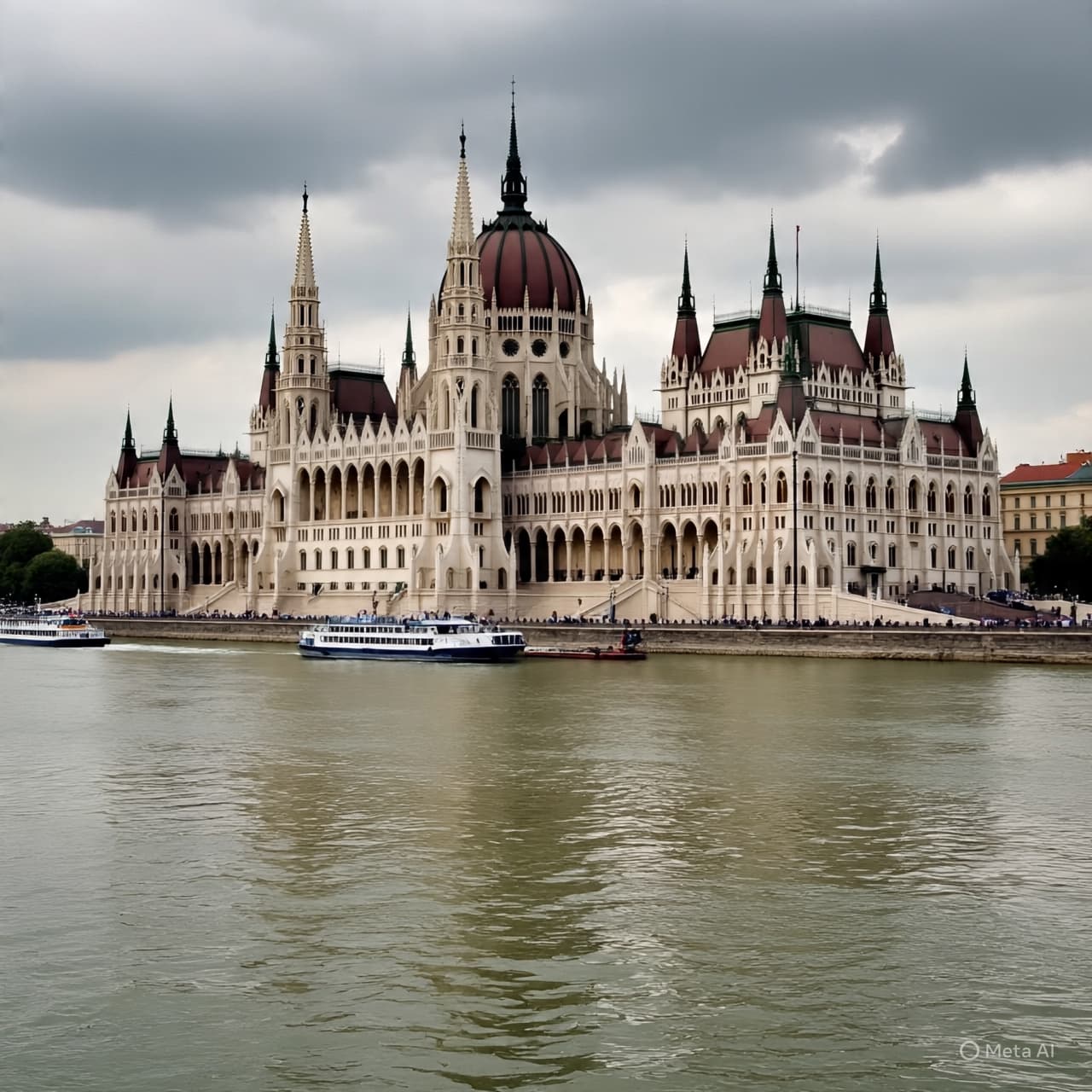
Hungary finds itself at a critical juncture within the European Union, where the balance between alignment and divergence is increasingly scrutinized. As the sun sets over the Danube River, the calm of Budapest belies the tension brewing in the political landscape. Recent discussions among EU officials have highlighted Hungary's unique position, characterized by a blend of membership and a growing sense of distance from collective European standards.
The current climate is defined by conditionality, where access to EU funds is increasingly tied to Hungary's adherence to established governance norms. This shift has prompted a series of negotiations that extend beyond mere compliance, delving into deeper issues of judicial independence and institutional integrity. The stakes are high, as the EU's mechanisms for upholding shared standards are being put into practice, signaling that Hungary's time to align with these expectations is running out.
At the forefront of this situation is Viktor Orbán, whose leadership has significantly influenced Hungary's trajectory within the EU. Orbán's government has often positioned itself as a defender of national sovereignty, prioritizing domestic agendas even while engaging with European frameworks. This approach has raised concerns among EU officials, who worry about the implications of Hungary's distinct path on the unity of the bloc.
The phrase 'last chance' has emerged in discussions, reflecting a growing impatience among EU leaders regarding Hungary's reforms. Financial measures have been implemented, with funds either withheld or made conditional on Hungary's commitment to aligning with EU norms. This shift marks a transition from abstract principles to concrete actions, emphasizing the urgency of the situation.
In response, Hungary has begun to navigate these pressures with a series of legislative proposals and institutional adjustments. Each step taken by the government appears calculated, balancing the demands of EU integration with the rhetoric of autonomy. The process is not a sudden shift but rather a gradual recalibration of Hungary's position within the EU framework.
The implications of these negotiations extend beyond the political sphere, affecting everyday life in Hungary. European funding plays a crucial role in supporting infrastructure, education, and development projects, making the question of alignment not just an institutional concern but a tangible reality for communities across the nation. The outcome of these negotiations will have lasting effects on the continuity of these vital connections.
As Hungary stands at this crossroads, the EU has made it clear that further progress is expected. Upcoming decisions will be pivotal for Hungary's access to funds and its overall standing within the bloc. The delicate balance between integration and autonomy continues to shape the narrative, with both sides aware that the choices made in the coming months will have significant consequences.
As the Danube flows steadily, carrying the reflections of Budapest into the distance, the political currents within the EU are shifting. Whether Hungary will find renewed alignment or drift further apart remains to be seen, hinging on the choices that lie ahead in this complex and evolving relationship.
Published by Banx Network. This article is part of the Banx decentralized media programme, powered by the BXE token on the XRP Ledger.



