

Key Highlights
- Discovery of ancient textured rocks linked to microbial mats.
- Findings suggest life thrived in extreme ocean conditions.
- Research offers insights into the timeline of biological complexity.
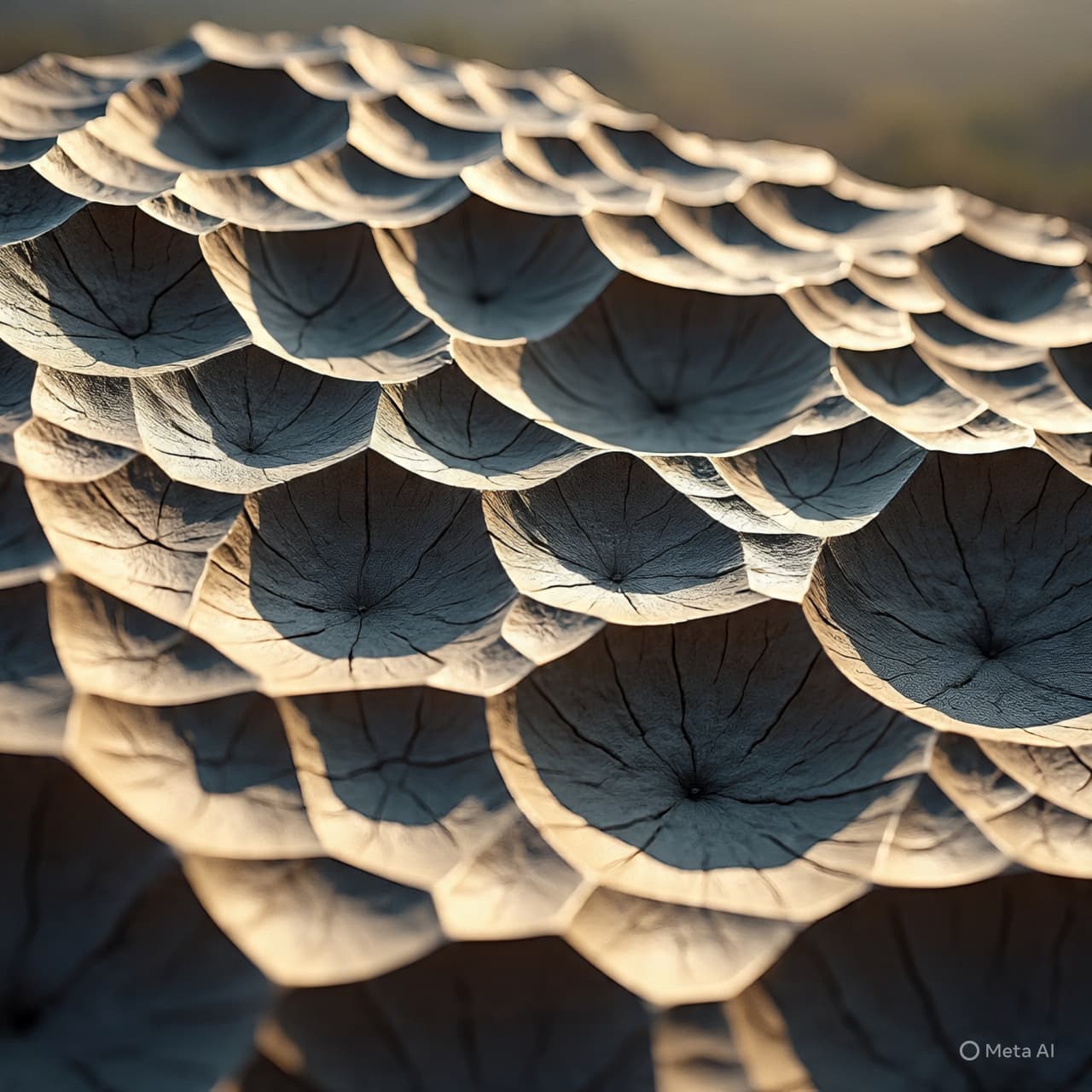
Ancient seabeds whisper secrets of life long past, etched into stone in patterns reminiscent of living skin. In remote oceanic regions, scientists have uncovered rocks with unique, wrinkled surfaces that evoke the texture of elephant skin. These formations, seemingly unremarkable, may hold vital clues about life that flourished hundreds of millions of years ago, long before complex organisms roamed the Earth.
The rocks in question are not mere geological oddities; they date back to a time when the deep ocean was a vastly different ecosystem. Researchers have traced these textured surfaces to microbial mats—dense communities of microorganisms that thrived in oxygen-poor waters. These mats played a pivotal role in shaping early Earth’s biological landscape, dominating the seafloor and forming layered structures that trapped sediment, leaving behind distinctive imprints.
Over time, these imprints solidified into stone, preserving a delicate record of ancient life. The significance of these “elephant skin” rocks lies in their discovery in deep marine environments previously thought inhospitable to complex biological activity. This finding suggests that life not only existed but adapted to extreme conditions much earlier than scientists had previously believed.
Advanced imaging techniques have allowed researchers to delve into the intricate details of these textures. The patterns observed reveal a consistent biological organization, setting them apart from purely geological formations. This reinforces the hypothesis that these rocks are biogenic, formed by living organisms rather than through natural sedimentary processes alone.
The implications of this research extend beyond our planet’s history. By understanding how life thrived in low-oxygen, high-pressure environments, scientists can gain insights into the potential for life on other celestial bodies. Similar conditions may exist on ocean-bearing moons or distant planets, opening new avenues for astrobiological exploration.
Furthermore, these findings challenge previous assumptions regarding the timeline of biological complexity. If microbial ecosystems were already widespread in such extreme environments, it suggests that the evolutionary groundwork for more advanced life forms may have been laid much earlier than previously thought. This revelation could reshape our understanding of life's history on Earth and its potential elsewhere in the universe.
While the rocks themselves remain silent, their textures tell a profound story—one that connects the present to a distant past filled with life. Each wrinkle and fold serves as a fragment of a narrative that stretches back through deep time, reminding us that life has always found a way to endure, even in the darkest corners of our planet's oceans.
Published by Banx Network. This article is part of the Banx decentralized media programme, powered by the BXE token on the XRP Ledger.




