
Key Highlights
- Putin's visit to Beijing underscores deepening China-Russia ties amid global tensions.
- Economic cooperation, particularly in energy, remains a focal point of the relationship.
- Both leaders emphasize a multipolar world to counter Western dominance.
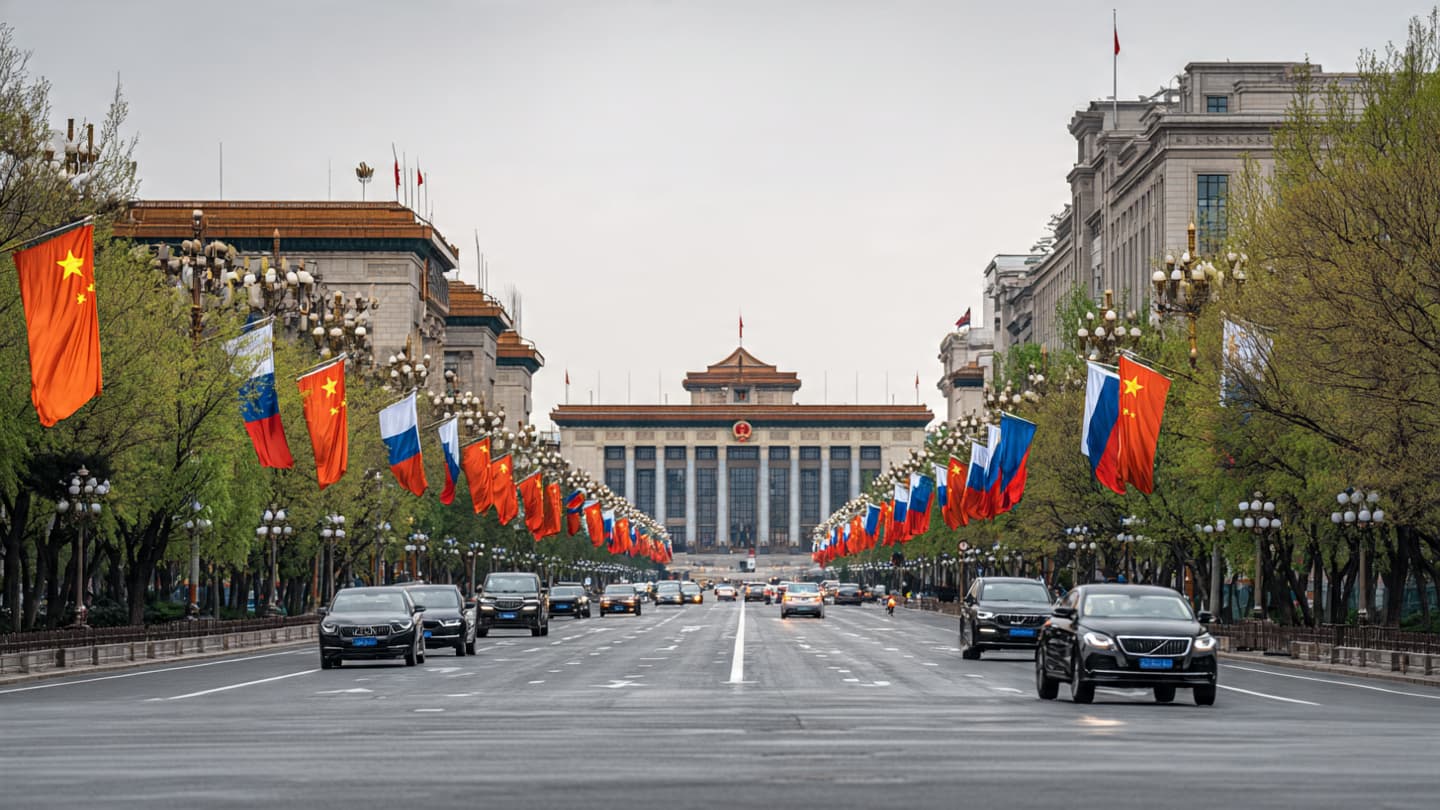
Russian President Vladimir Putin's recent visit to Beijing marks a significant moment in the evolving relationship between China and Russia, particularly against the backdrop of increasing tensions with the West. Arriving in the Chinese capital, Putin was met with a ceremonial welcome that reflected both the historical ties and the strategic necessities driving the partnership between the two nations. The meeting with Chinese leader Xi Jinping was not just a routine diplomatic engagement; it was a reaffirmation of their alignment in a world that both perceive as increasingly hostile.
The atmosphere in Beijing during late spring is often characterized by a sense of calm, yet the political undertones of Putin's visit were anything but tranquil. The two leaders have met numerous times over the years, but this particular meeting comes at a critical juncture, with both countries facing external pressures and seeking to redefine their roles on the global stage. The ceremonial aspects of the visit, including military honors and public displays of unity, served to underscore the importance of their partnership in the face of Western sanctions and diplomatic isolation.
One of the most notable outcomes of the visit was the reaffirmation of political alignment between Beijing and Moscow. Despite the ongoing war in Ukraine and the sanctions that have crippled the Russian economy, China has maintained a stance of non-endorsement while simultaneously resisting efforts to isolate Russia. The language used by both leaders during their discussions emphasized a shared opposition to what they termed Western "containment" strategies, highlighting a growing sense of mutual grievance against perceived external pressures.
However, the dynamics of this relationship appear increasingly asymmetrical. Russia, grappling with the consequences of its military actions and economic sanctions, finds itself in a position of dependency on China. While both nations present a united front, the reality is that China, as the larger economic power, holds significant leverage. This shift in balance is evident in the economic agreements discussed during the visit, which focused on energy cooperation and trade links that have become vital for Russia's economic survival.
Energy cooperation remains a cornerstone of the China-Russia relationship. Russia has emerged as one of China's largest suppliers of oil and gas, with discounted energy exports providing crucial revenue for Moscow. The discussions during Putin's visit included new agreements aimed at enhancing infrastructure, agriculture, and industrial cooperation, as well as establishing payment systems that reduce reliance on the U.S. dollar. This economic pivot is indicative of a broader transformation in trade patterns, as Chinese goods increasingly replace Western products in the Russian market.
Despite the apparent strengthening of ties, both nations navigate a complex landscape. China is cautious about overcommitting to Russia, mindful of the potential repercussions from secondary sanctions and the need to maintain robust trade relationships with Western economies. This delicate balancing act reflects a pragmatic approach by Beijing, ensuring that support for Moscow does not jeopardize its own economic interests.
The implications of Putin's visit extend beyond bilateral relations, suggesting a shift in the global order. Both leaders framed their partnership as part of a broader challenge to Western dominance, advocating for a multipolar world where sovereignty and alternative institutions can thrive. This vision resonates with a growing number of nations seeking to assert their independence from Western influence, indicating a potential reconfiguration of global alliances in the years to come.
In conclusion, Putin's ceremonial welcome in Beijing encapsulates the complexities of modern diplomacy, where historical ties and strategic necessities intertwine. As both nations continue to navigate their relationship amid global tensions, the outcomes of such meetings will likely shape the geopolitical landscape for years ahead.
Published by Banx Network. This article is part of the Banx decentralized media programme, powered by the BXE token on the XRP Ledger.



