
Key Highlights
- Discovery:Researchers found microbial life in blue volcanic mud.
- Location:The Pacman mud volcano near the Mariana Trench.
- Environment:The mud has a pH of around 12, one of the highest recorded.
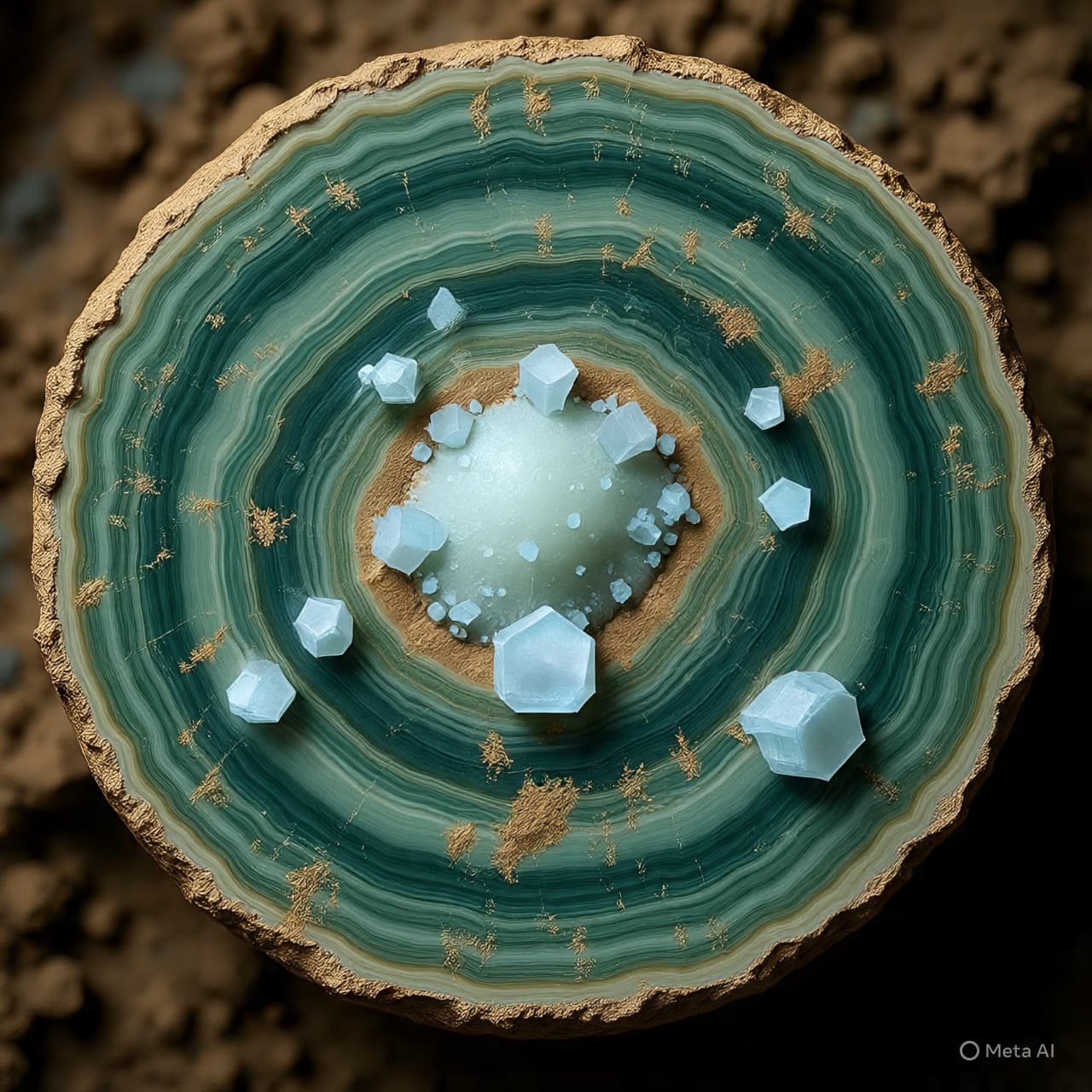
In a groundbreaking discovery, scientists have identified signs of microbial life in a striking blue mud retrieved from the depths of the ocean. This mud, sourced from the Pacman mud volcano near the Mariana Trench, is not only visually captivating but also rich in geological and biological significance. The sediment core samples reveal a unique cocktail of minerals, including serpentinite and brucite, which contribute to the mud's vivid blue-green coloration. Within this unusual matrix, researchers have detected intact lipids, which are indicative of bacterial and archaeal membranes, suggesting that life can exist in extreme conditions.
The expedition, labeled SO292/2, has provided insights into an environment that is both harsh and alien. The mud's pH level, approximately 12, is among the highest ever recorded in natural ecosystems, presenting a challenging habitat for any form of life. Despite the cold, dark conditions and scarcity of organic carbon, the microbial communities appear to thrive. One of the study's authors expressed excitement about the implications of this finding, noting that such extreme environments could resemble the conditions under which primordial life may have originated on Earth.
The survival mechanisms of these microbes are particularly fascinating. Instead of relying on photosynthesis, they utilize chemosynthesis, a process driven by the unique properties of the serpentinite mud. This interaction with water leads to the generation of hydrogen and methane through serpentinization, which the microbes then metabolize, producing hydrogen sulfide as a by-product. This metabolic pathway is similar to those found in deep-sea hydrothermal systems and may provide clues about the early Earth’s environment.
The broader implications of this discovery extend beyond our planet. If life can persist in such extreme conditions, it raises the possibility that similar microbial life could exist in other harsh environments, such as beneath the ocean floor, on icy moons, or in volcanic regions elsewhere in the universe. The researchers emphasize that these findings could significantly inform the ongoing search for extraterrestrial life.
However, caution is warranted. While the lipid biomarkers found in the sediment are strong indicators of microbial life, they do not equate to the direct isolation of living cells or complete genomic sequences. The complexity of the environment necessitates careful interpretation of the data, and further verification through repeat sampling and genomic reconstruction will be essential to confirm these findings.
In conclusion, the discovery of life in the blue volcanic mud of the Pacman mud volcano challenges our understanding of where life can thrive. It serves as a reminder of the resilience of life and the secrets that our planet continues to unveil, pushing the boundaries of our knowledge about the potential for life in extreme environments.
Published by Banx Network. This article is part of the Banx decentralized media programme, powered by the BXE token on the XRP Ledger.



