

Key Highlights
- Proposal:New York lawmakers support raising taxes on the wealthy.
- Budget Gap:New York City faces a projected budget deficit in the billions.
- Public Support:Majority of voters favor higher taxes on high earners.
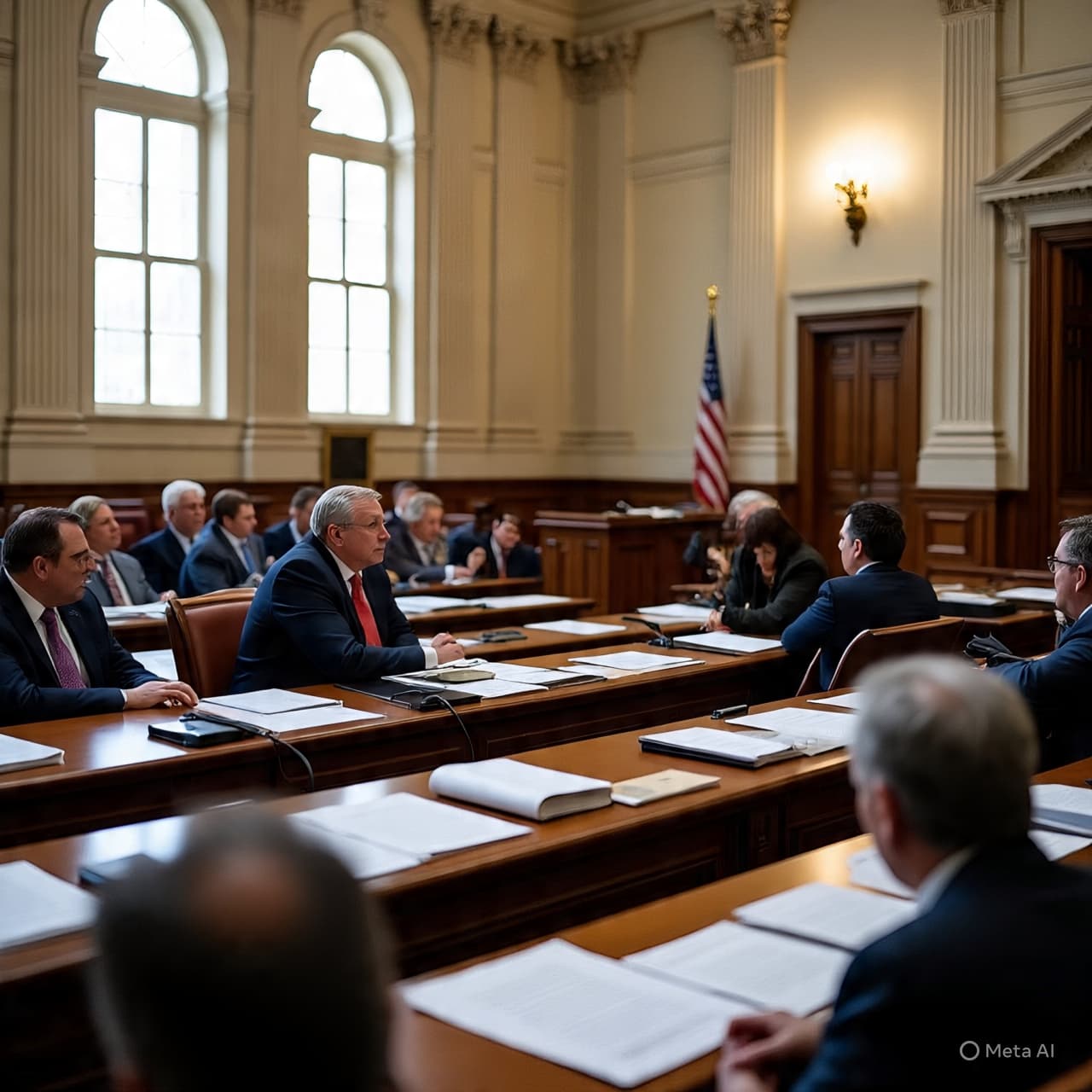
In the bustling metropolis of New York City, where ambition meets the skyline, the ongoing debate over taxation has resurfaced as lawmakers grapple with a significant budget deficit. This week, a proposal led by New York City Mayor Zohran Mamdani has gained traction, advocating for increased taxes on the wealthiest residents and large corporations. As the state legislature convenes, this proposal is becoming a focal point in the budget negotiations taking place in Albany.
Supporters of the tax increase argue that it is a necessary step to address the projected budget gap, which could reach billions of dollars in the coming years. Advocates believe that asking the highest earners to contribute more will help stabilize public finances and alleviate the tax burden on working- and middle-class residents. This sentiment is echoed by several Democratic leaders within the legislature, who have included similar tax hikes in their budget proposals, labeling them as “revenue raisers” aimed at generating substantial funds for public programs and city services.
Mayor Mamdani has articulated the potential consequences of not implementing these tax measures. He warns that without additional revenue, the city may have to resort to less favorable alternatives, such as significant increases in property taxes. Critics of property tax hikes argue that such measures would disproportionately affect homeowners and renters, further straining the city's residents.
Public opinion appears to be leaning in favor of the mayor's proposal. Recent polling indicates that a majority of New York voters support higher income taxes for individuals earning over $1 million annually, with even stronger backing among residents of New York City. This public sentiment could play a crucial role in shaping the outcome of the legislative discussions.
However, the political landscape in Albany is complex, and Governor Kathy Hochul has expressed reservations about raising taxes on the wealthy. She has cautioned that higher tax rates could drive high earners and businesses to relocate to more tax-friendly states. This concern reflects a broader debate about maintaining New York's competitiveness while fulfilling its fiscal responsibilities.
Despite the differences in opinion, the dialogue between the city and the governor has remained constructive. Hochul has emphasized the importance of ongoing budget negotiations and the need for compromise. As the legislative calendar progresses, these discussions are likely to continue until the final days leading up to the state budget deadline.
Ultimately, the debate in New York encapsulates a broader question faced by governments today: how to balance the need for public funding with the economic realities of taxation. As lawmakers navigate this challenging terrain, the resolution may not come from a single sweeping decision but rather through careful negotiations that aim to keep the state's fiscal ship steady amid turbulent waters.
Published by Banx Network. This article is part of the Banx decentralized media programme, powered by the BXE token on the XRP Ledger.




