Kyiv has learned to live with interruption. Morning traffic continues beneath the sound of distant sirens, cafés reopen after nighttime drone attacks, and commuters descend calmly into metro stations that serve both as transit routes and temporary shelters. The city moves forward in fragments — ordinary life stitched carefully around the possibility of sudden disruption.
Yet even in a capital shaped by more than two years of war, certain announcements alter the atmosphere.
This week, Russia issued a warning advising foreign nationals in Kyiv to leave the Ukrainian capital, citing concerns over potential escalation and security risks. The statement arrived amid renewed debate over whether battlefield dynamics may be shifting, at least temporarily, in ways more favorable to Ukrainian forces after months of grinding attrition along the front.
The warning itself carried familiar elements of wartime messaging: ambiguity, pressure, and psychological calculation woven together with genuine security concerns. Russian officials framed the advisory as a precaution tied to escalating military conditions, while Ukrainian authorities dismissed it as part of a broader campaign aimed at spreading anxiety and projecting instability inside the capital.
Still, in a city where embassies monitor every escalation closely, such statements ripple outward quickly.
Foreign diplomats reviewed contingency procedures. International aid workers discussed evacuation routes. Residents scanned news alerts between power outages and air defense reports. In Kyiv, warnings are never entirely abstract; they exist alongside memories of missile strikes, damaged apartment blocks, and winter nights shaped by blackouts.
The timing of Russia’s statement has drawn particular attention because it follows reports suggesting Ukrainian forces have achieved localized tactical gains in several contested areas. Military analysts point to intensified Ukrainian drone operations, pressure on Russian logistics routes, and incremental advances near portions of the southern and eastern fronts. Though no dramatic breakthrough has emerged, even small territorial shifts carry symbolic significance in a war increasingly defined by endurance.
The conflict has entered a phase where movement is measured less in sweeping offensives than in meters of reclaimed ground, damaged supply depots, or disrupted infrastructure behind front lines. Drones now hover constantly over battlefields once dominated primarily by artillery, transforming both strategy and psychology. Cities far from trenches feel the effects through interrupted electricity, air raid alerts, and information campaigns designed to shape perception as much as military reality.
For Kyiv, perception matters deeply.
The capital functions not only as Ukraine’s political center, but as a symbol of resilience carefully maintained throughout the war. Restaurants continue serving dinner during curfews. Musicians perform in underground venues. Schools adapt around shelter systems. Foreign delegations arrive regularly despite security risks, reinforcing the image of a city determined to remain open even under threat.
Russia’s warning to foreigners touches that symbolic layer directly. Advisories of this kind can discourage diplomatic presence, reduce business activity, and amplify fears of major escalation even without immediate military action. Analysts note that wartime communication increasingly operates on multiple levels simultaneously: battlefield pressure, public morale, international perception, and diplomatic signaling often move together in overlapping ways.
Meanwhile, the military situation remains fluid and difficult to verify independently. Ukrainian officials continue emphasizing defensive resilience and selective offensive actions, while Russian authorities describe their operations as stable and progressing. Independent analysts caution against interpreting isolated tactical developments as evidence of a decisive turning point in the war.
Yet after long periods of stalemate, even modest changes attract heightened attention.
Beyond the front lines, civilians across Ukraine continue adapting to a prolonged reality shaped by uncertainty. In Kyiv, generators hum outside businesses prepared for potential energy disruptions. Parents check air alert applications before school commutes. Train stations remain crowded with soldiers moving toward eastern regions where combat continues daily.
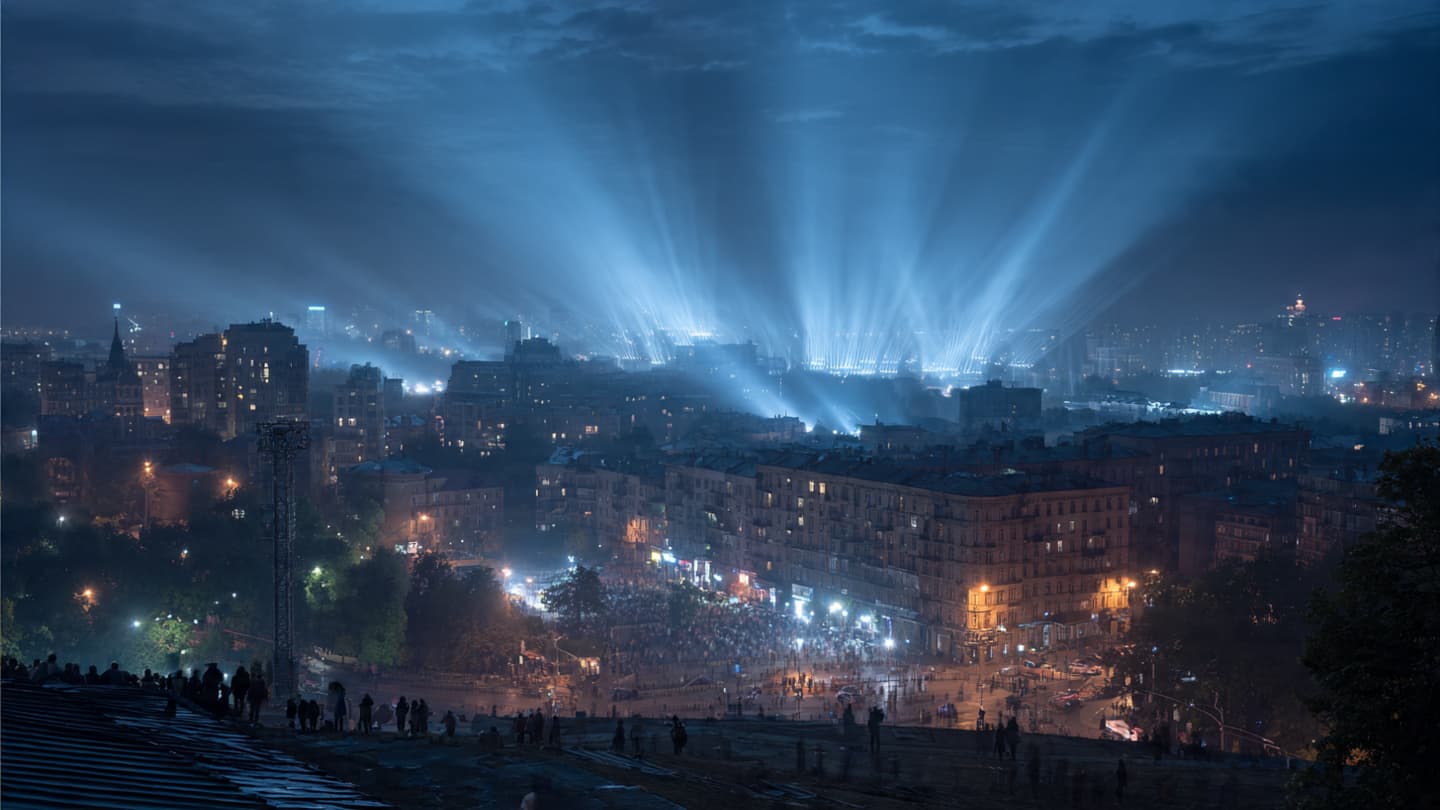
At night, the city glows unevenly beneath anti-aircraft searchlights and apartment windows left dim during alert hours. Conversations drift between ordinary concerns and military updates almost seamlessly now, as if the boundary between civilian and wartime life has gradually dissolved.
Internationally, the conflict continues influencing diplomatic relations, military aid discussions, and wider European security calculations. Western governments remain closely focused on the sustainability of Ukrainian defenses heading into another difficult season, while Russia appears intent on demonstrating that the threat of escalation remains constant despite battlefield pressures.
For foreigners still living or working in Kyiv, the Russian warning adds another layer to calculations already shaped by risk and adaptation. Some may leave temporarily. Others may remain, as many residents have throughout repeated waves of uncertainty.
As evening settles across the Dnipro River, Kyiv continues its practiced rhythm beneath the tension of another wartime week. Traffic moves cautiously through illuminated streets. Air defense systems remain alert somewhere beyond the skyline. Cafés lower their lights near curfew.
And above the city, the uneasy balance between military momentum, political messaging, and human endurance continues shifting quietly — never fully still, never entirely predictable.
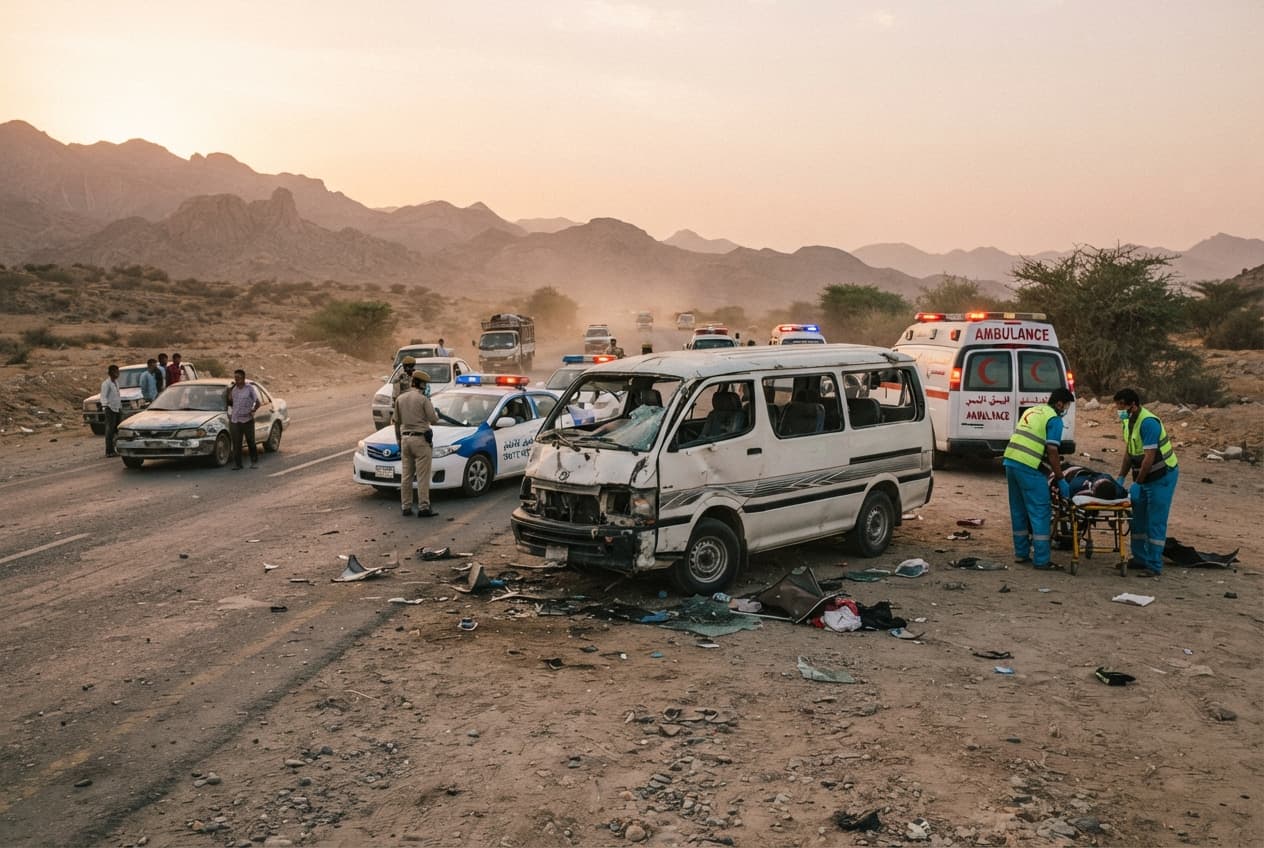
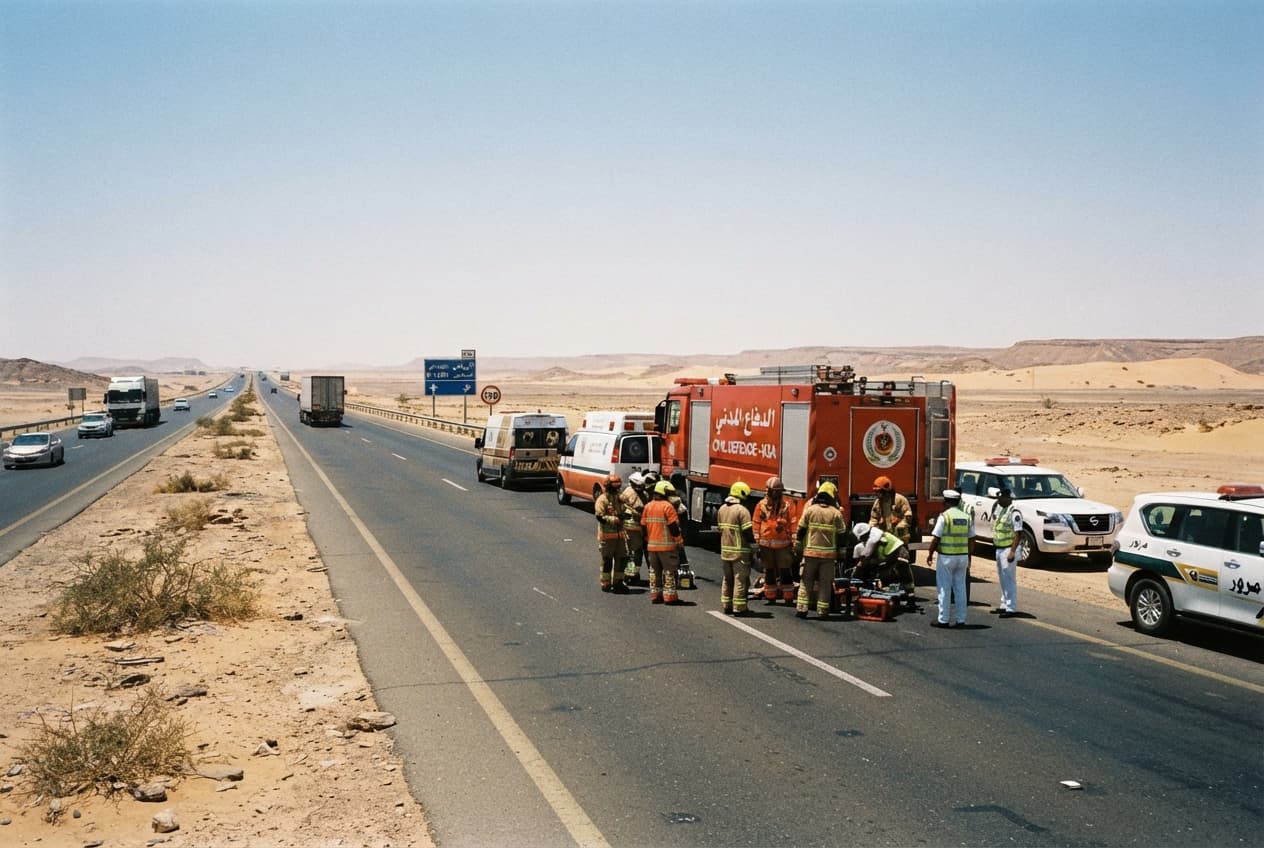
AI Image Disclaimer: These images are AI-generated visual interpretations designed to accompany the themes and settings described in the article.
Sources:
Reuters BBC News Associated Press The Washington Post Institute for the Study of War (ISW)
Published by Banx Network. This article is part of the Banx decentralized media programme, powered by the BXE token on the XRP Ledger.