

Key Highlights
- Recent missile strikes in Ukraine have resulted in at least seven fatalities.
- The attacks targeted both civilian areas and infrastructure across multiple regions.
- Ukrainian officials are calling for increased air defense support from allies.
In Ukraine, the shadow of war looms large, casting a pall over daily life as missile strikes continue to disrupt the fragile peace. A recent wave of attacks attributed to Russian forces has left at least seven people dead, according to Ukrainian authorities. These strikes, which targeted both infrastructure and civilian areas, underscore the ongoing vulnerability of urban centers that lie far from the front lines of the conflict.
The Ukrainian capital, Kyiv, has been particularly affected, with officials describing the assault as part of a broader pattern of intensified aerial campaigns. Reports indicate that missiles and drones were deployed in waves, significantly challenging Ukraine’s air defense systems and complicating timely interception efforts. The scale and frequency of these attacks have raised alarms about the effectiveness of current defensive measures.
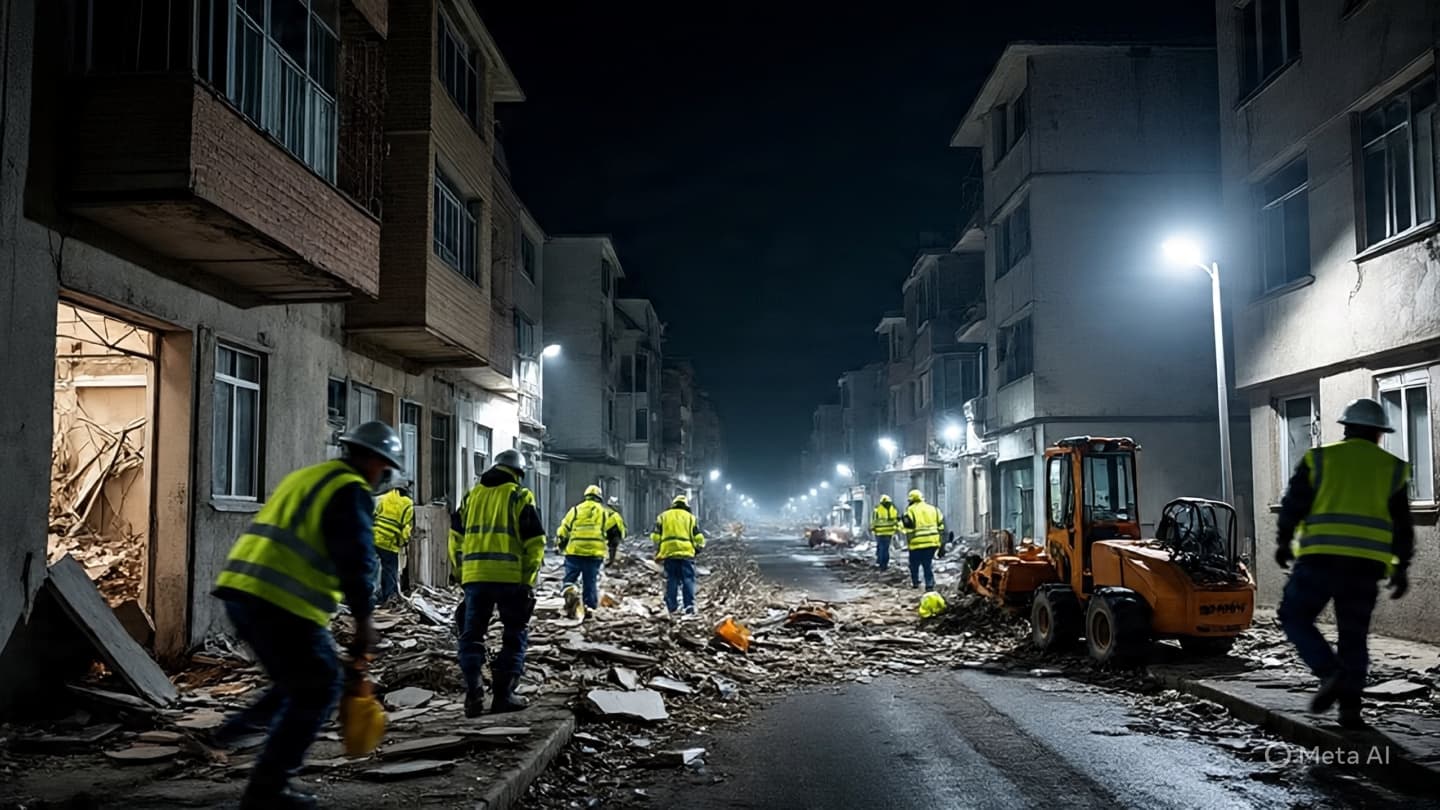
Emergency services have been working tirelessly in the aftermath of the strikes, navigating through damaged buildings and debris to rescue survivors. Images released by local agencies depict residential areas scarred by missile impacts, highlighting the human cost of the ongoing conflict. Rescue workers have faced harrowing conditions as they sift through collapsed structures, searching for those trapped beneath the rubble.
This latest attack comes amid continued tensions along the eastern front, where fighting remains active. While military objectives often dominate strategic discussions, the impact on civilian life is profound. Incidents like these illustrate how the realities of war extend beyond the battlefield, affecting the daily lives of ordinary citizens.
International observers have noted that such strikes may serve a dual purpose: targeting infrastructure while simultaneously aiming to undermine civilian morale. The repeated disruptions to essential services such as power, transportation, and housing can gradually erode a sense of stability, even in regions that are geographically distant from active combat zones. This psychological warfare adds another layer of complexity to the conflict, as it seeks to instill fear and uncertainty among the populace.
In response to the escalating threat, Ukrainian leadership has renewed calls for increased defensive support from Western allies. Emphasizing the urgent need for enhanced air defense capabilities, officials are seeking to mitigate future losses and protect civilian lives. Western governments are closely monitoring the situation, balancing diplomatic responses with the provision of material assistance to bolster Ukraine's defenses.
As the conflict stretches into another year, the geopolitical implications remain intricate. Each escalation reinforces the challenges of pursuing both immediate security and a long-term resolution to the crisis. Authorities continue to assess the damage and provide aid to affected communities, while investigations into the full scope of the attack are ongoing. The resilience of the Ukrainian people is tested daily as they navigate the harsh realities of life in a war-torn nation.
AI Image Disclaimer: Some images accompanying this article are AI-generated representations intended to illustrate the reported events.
Published by Banx Network. This article is part of the Banx decentralized media programme, powered by the BXE token on the XRP Ledger.




