Evening in Washington often arrives quietly. The city’s monuments turn pale beneath the fading light, and across government offices the day’s conversations settle into memory—calls made, decisions weighed, words that may echo far beyond the rooms where they were first spoken.
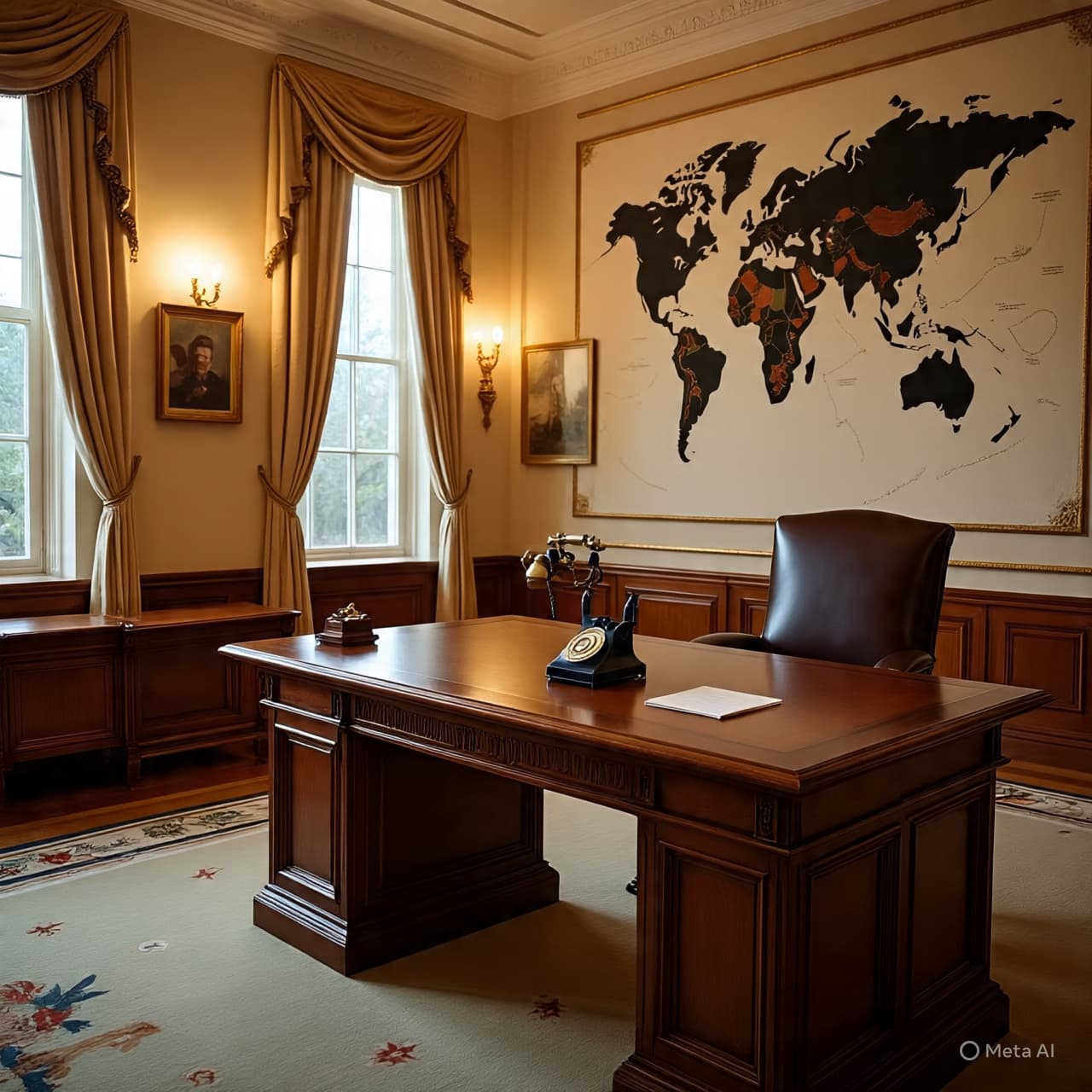
It was in such a moment, somewhere between diplomacy and uncertainty, that a conversation unfolded between two of the world’s most familiar political figures. The telephone line stretched from Washington to Moscow, connecting U.S. President Donald Trump and Russian President Vladimir Putin during a period when the war involving Iran has reshaped headlines, markets, and anxieties across continents.
The call, according to officials in Moscow, lasted roughly an hour and touched on several conflicts now shaping the global landscape: the war involving Iran, the continuing conflict in Ukraine, and broader questions about stability and energy markets. Kremlin advisers described the discussion as serious and “substantial,” noting that Putin presented ideas aimed at achieving a rapid diplomatic end to the Iran conflict.
Shortly after the call, Trump spoke publicly about the state of the war. In interviews and remarks, he suggested that the conflict might already be nearing its conclusion. He described the military campaign as being “very complete” and indicated that U.S. forces and their allies were moving faster than expected toward their objectives.
At another moment, the president characterized the conflict as a “short-term excursion,” expressing confidence that the fighting would not continue for long.
Such statements arrived while the broader picture of the war remained unsettled. Military operations involving the United States and Israel began in late February with strikes on Iranian military infrastructure, setting off a rapid escalation across the region. Analysts and officials have continued to debate how long the campaign could last and what its final objectives may be.
In global markets, the war’s ripple effects have already been felt. Oil prices surged as shipping through the Strait of Hormuz faced disruptions, reminding the world how closely energy flows remain tied to events in the Middle East.
Against that backdrop, the Trump–Putin conversation carried a different kind of weight: not missiles or airstrikes, but the quieter possibility of diplomacy. Russian officials said Putin shared proposals that might lead toward a political settlement, including discussions with Gulf leaders and other regional figures.
Yet diplomacy often unfolds slowly, like a tide shifting beneath the surface of the sea. Even as Trump suggested that the war might soon be resolved, other officials emphasized that decisions about ending the conflict would involve consultations with allies, including Israel.
For observers of international politics, the moment captures a familiar paradox. War moves with the force of sudden storms, while peace—if it arrives—tends to gather gradually through conversation, calculation, and time.
And so the world watches the signals that travel between capitals: statements, phone calls, negotiations hinted at but not yet realized. Somewhere between those signals lies the uncertain future of a conflict that has already redrawn the political weather of the region.
Whether the war’s end is near, as Trump suggested, remains unclear. But the conversation between Washington and Moscow has added another thread to the quiet and complicated tapestry of diplomacy—one woven not on battlefields, but across a telephone line stretching thousands of miles.
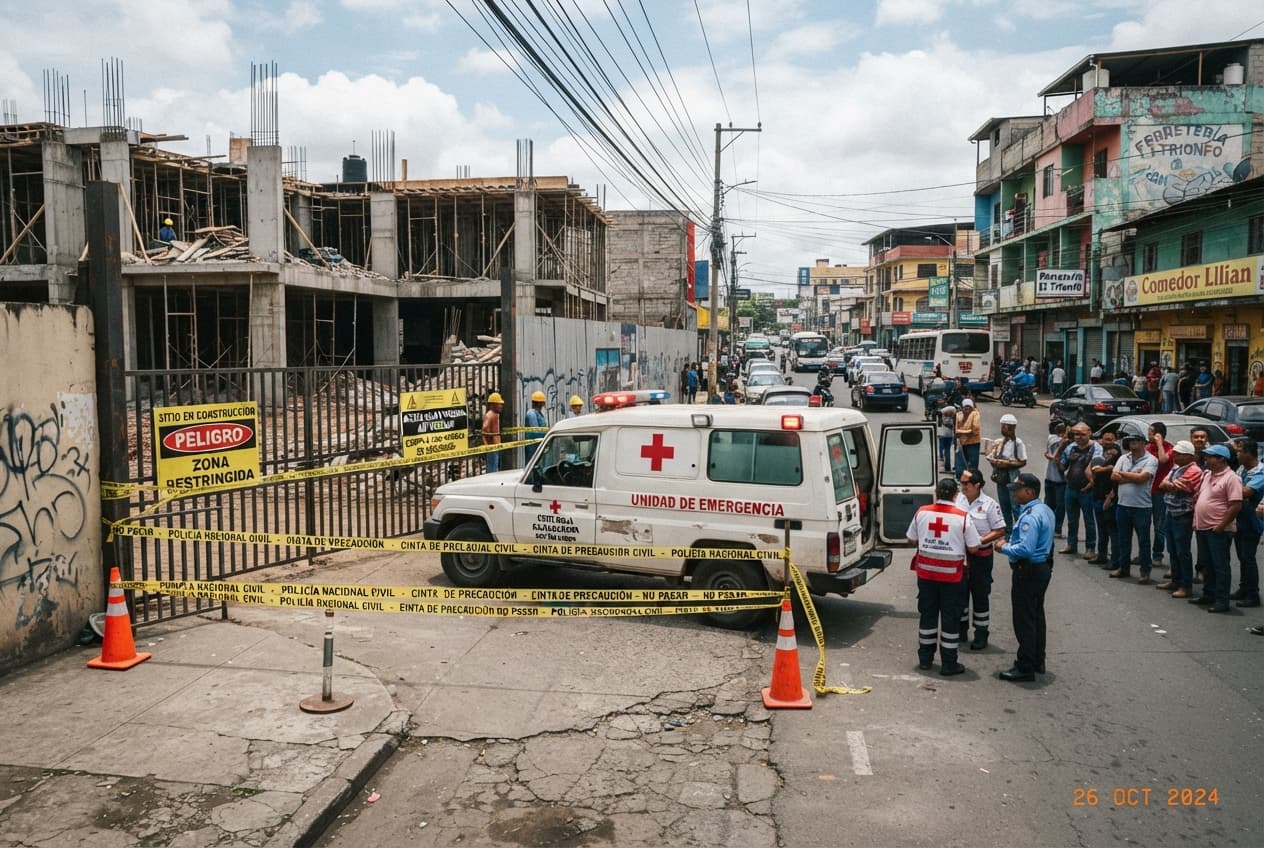
AI Image Disclaimer Visuals are AI-generated and serve as conceptual representations.
Sources Reuters Al Jazeera Time PBS NewsHour Associated Press
Published by Banx Network. This article is part of the Banx decentralized media programme, powered by the BXE token on the XRP Ledger.