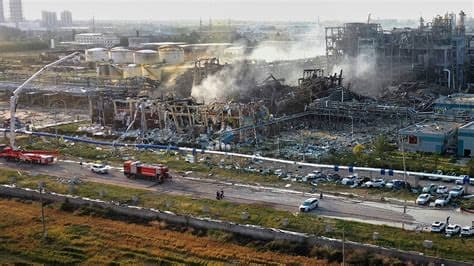
There are moments in global affairs when tension does not arrive suddenly, but gathers—quietly, persistently—like pressure along a fault line. And then, almost inevitably, it surfaces. The recent eruption of fighting along the border between and feels like one such moment, where history, geography, and unresolved questions converge once again.
The clashes, reported along contested stretches of the frontier, have drawn swift attention from the international community. While the immediate causes are rooted in security concerns and cross-border tensions, the response from global actors reflects something broader: a shared unease about stability in a region that has long carried strategic weight.
Governments and international organizations have responded with a familiar, measured language—calls for restraint, appeals for dialogue, and reminders of the human cost that often follows escalation. Yet beneath these statements lies a deeper recognition that such conflicts rarely remain contained. Even localized fighting can ripple outward, affecting trade routes, regional alliances, and humanitarian conditions.
For Pakistan, the situation touches on long-standing concerns about border security and militant activity. For Afghanistan, it unfolds within a complex internal landscape, where governance, security, and international recognition remain intertwined. The border itself—drawn in another era—continues to shape present realities, often more as a line of tension than of clarity.
The global reaction, while cautious, has not been indifferent. Diplomatic channels have been activated, with key stakeholders urging both sides to de-escalate. Regional powers, as well as Western governments, appear keenly aware that prolonged instability could complicate already fragile dynamics across South and Central Asia.
At the same time, humanitarian concerns quietly emerge alongside geopolitical ones. In border regions, where communities often straddle both sides, even brief সংঘর্ষs can disrupt daily life—displacing families, interrupting livelihoods, and deepening uncertainty. These impacts rarely dominate headlines, yet they form the most immediate reality for those closest to the conflict.
There is also a sense, in the broader international response, of familiarity. This is not the first time tensions between Pakistan and Afghanistan have surfaced, nor is it likely to be the last. The challenge, as it has been for years, lies not only in addressing immediate triggers, but in navigating the deeper issues that sustain them.
As the situation continues to develop, information remains fluid, and definitive conclusions remain out of reach. What can be observed, however, is the pattern itself: escalation, response, and the careful search for a path back to stability.
In the language of diplomacy, the tone remains steady—measured, deliberate, and without sharp judgment. Calls for restraint continue to echo, reflecting both urgency and caution.
And so, the story settles, for now, into a familiar space within international affairs—not resolved, not fully understood, but closely watched. A reminder that in certain regions, peace is not a fixed state, but an ongoing negotiation shaped by history, circumstance, and the choices still to come.
AI Image Disclaimer Visuals are created with AI tools and are not real photographs.
Source Check Credible sources found:
Reuters Al Jazeera BBC News The New York Times Associated Press
Published by Banx Network. This article is part of the Banx decentralized media programme, powered by the BXE token on the XRP Ledger.