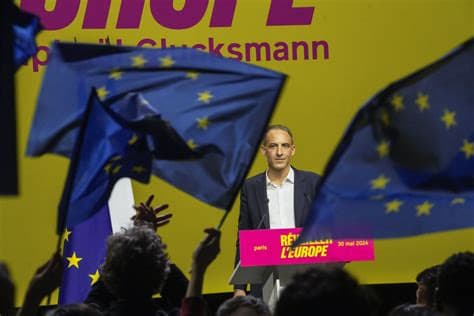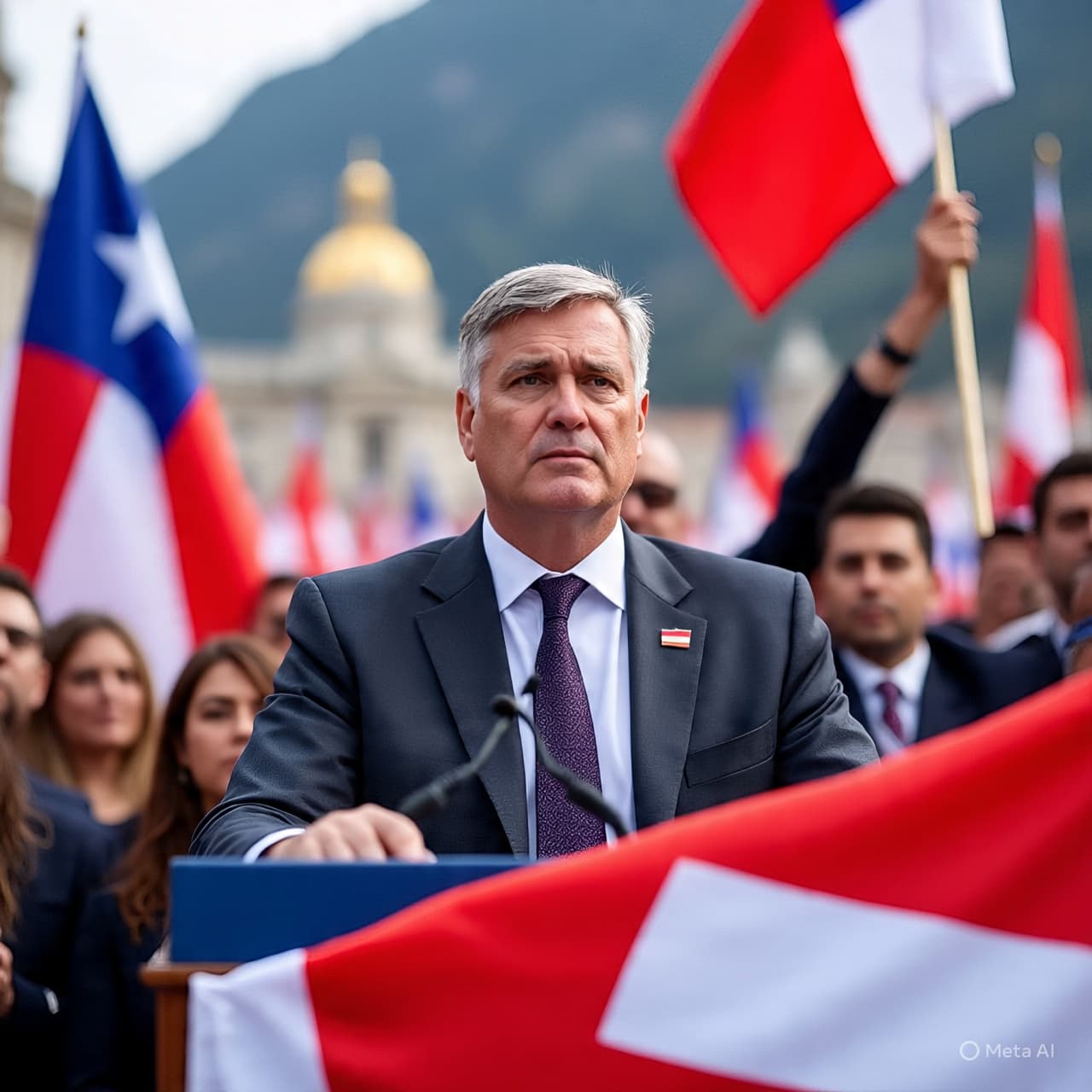
In a decisive moment for Chile’s young democracy, voters have chosen far-right leader José Antonio Kast as the country’s next president, marking a sharp political turn that no one expected to unfold so quickly after years of center-left governance. With about 58 % of the vote, Kast defeated leftist rival Jeannette Jara in the December 14 runoff, capturing a mandate that reflects rising public concerns over crime, immigration, and economic unease.
Chile’s ballot box has long been a symbol of peaceful political transition since the end of the Pinochet dictatorship in 1990. Yet this election ushers in the most right-wing government in decades, upsetting a political landscape shaped by progressive reforms and moderate centrism. Kast, an ultra-conservative former lawmaker and founder of the Republican Party, ran on a platform promising law-and-order policies, strict immigration controls, and business-friendly reforms, all of which struck a chord with many voters.
Kast’s rise has been driven in part by public anxiety over rising crime rates and concerns about undocumented migration, issues that dominated the campaign. Though Chile remains one of Latin America’s safer countries, fears over violence and insecurity — real or perceived — helped fuel support for Kast’s tough rhetoric and plans for stronger border enforcement.
Internationally, reactions split along ideological lines. Some neighboring right-leaning leaders, including Argentina’s president, welcomed the result as part of a broader conservative resurgence in the region. U.S. officials also extended congratulations, signaling a potential shift in diplomatic priorities. Meanwhile, critics warn that Kast’s admiration for Chile’s military past and his hardline stances on social issues could deepen polarization at home and abroad.
Domestically, outgoing President Gabriel Boric — whose left-of-center coalition had led Chile for four years — called Kast to congratulate him, underscoring a commitment to democratic continuity even amid a sharp ideological shift. Kast is set to take office on March 11, 2026, facing the dual challenge of translating his campaign promises into governance while navigating a legislature that may not fully share his agenda.
With this historic election, observers are now watching closely to see how Chile’s new leadership will approach issues ranging from economic policy and public safety to social rights and regional diplomacy. The ripple effects may extend well beyond Chile’s borders, as Latin America continues to grapple with political realignments and public demands for change.
AI Image Disclaimer “Visuals are created with AI tools and are not real photographs.”
Sources (News Reports) Al Jazeera The Guardian Associated Press (AP) Financial Times El País / international reactions
Published by Banx Network. This article is part of the Banx decentralized media programme, powered by the BXE token on the XRP Ledger.