
Key Highlights
- Four years of war have reshaped Russian society and economy.
- Public support for the conflict remains evident despite hardships.
- Daily life continues amid ongoing tensions and adaptations.
The war in Ukraine, which began nearly four years ago, has profoundly altered the landscape of Russia, both physically and socially. Initially perceived as a distant conflict, the war has gradually seeped into the everyday lives of Russian citizens, reshaping their routines and altering their perceptions of the world around them. The once vibrant shelves of international brands in stores have given way to a more limited selection, reflecting the realities of sanctions and shifting trade dynamics. This change serves as a stark reminder of how interconnected global events can influence local experiences.
As the conflict escalated, the Russian government implemented stricter controls on dissent, leading to a palpable shift in public discourse. Conversations that once took place in hushed tones have become more pronounced, as citizens navigate the complexities of expressing their views in an increasingly monitored environment. Despite these challenges, a significant portion of the population continues to express support for the war, driven by narratives of patriotism and resilience that resonate deeply within communities.
The ongoing military operations have resulted in significant casualties and destruction, with Russia conducting extensive missile and drone strikes on Ukrainian infrastructure. The impact of these actions reverberates through both nations, as civilians grapple with the consequences of war. In Russia, the economic burden of sustaining the military effort has led to shifts in fiscal priorities, with policymakers facing the challenge of balancing war expenditures against the needs of a strained economy.
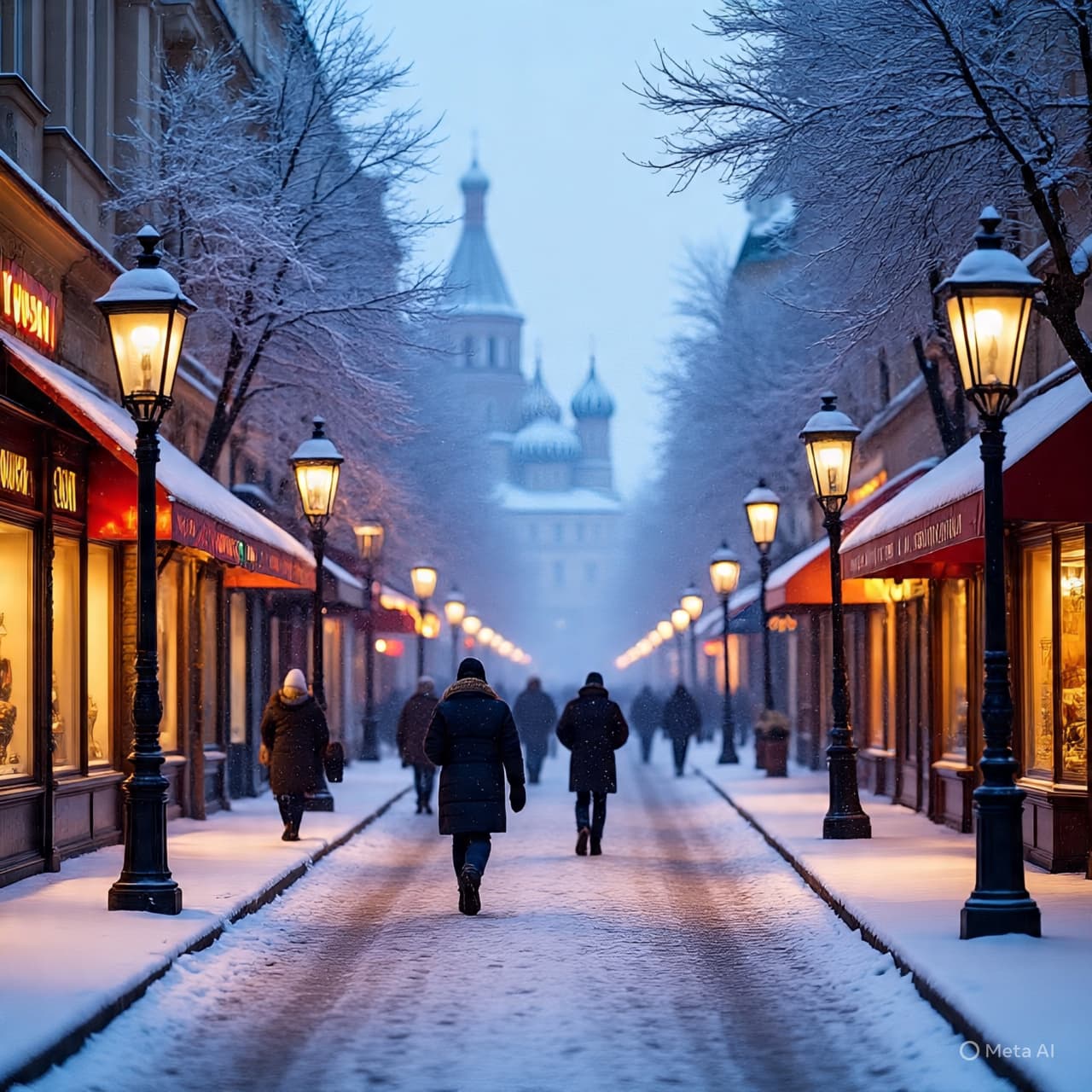
Amid these pressures, life in Russia persists. Children attend school, markets adapt with new products, and families engage in discussions about their futures. However, there is a collective awareness that the past four years have left indelible marks on society. In workplaces and online discussions, Russians reflect on their experiences, sharing stories of resilience and adaptation in the face of adversity. Some express a sense of acceptance of a new normal, while others lament the loss of familiar comforts.
The war has not only been a series of battles but also a period of profound societal transformation. Families have adjusted to new realities, small businesses have sought to thrive under challenging conditions, and communities have begun to redefine their identities in a world irrevocably altered by conflict. As the horizon remains uncertain, the quiet moments of daily life serve as a reminder that, despite the turmoil, life continues to unfold in both enduring and fragile rhythms.
In conclusion, the past four years have been a testament to the resilience of the Russian people as they navigate the complexities of a society reshaped by war. The echoes of conflict will likely resonate for years to come, influencing not only the present but also the future of Russia and its place in the world.
Published by Banx Network. This article is part of the Banx decentralized media programme, powered by the BXE token on the XRP Ledger.



