Winter in Chicago has a way of settling quietly over brick houses and narrow streets, softening even the sharpest headlines. In one home, beneath the hum of hospital updates and legal uncertainty, a family measured time differently — not by court dates or policy debates, but by treatments, test results, and the fragile hope that accompanies each new morning.
A teenage girl whose father was detained in an immigration case has died after battling a rare form of cancer. Her illness had been described by relatives as aggressive and complex, requiring sustained medical care and emotional steadiness. As she underwent treatment, her father remained entangled in immigration proceedings, a situation that drew attention from community advocates who called for compassion in light of her condition.
Her father’s detention formed a parallel narrative — one shaped by legal filings, bond hearings, and the slow machinery of immigration enforcement. Advocacy groups and local supporters had appealed for humanitarian consideration, arguing that the family’s medical crisis warranted flexibility. Officials maintained that the case was proceeding within the framework of immigration law.
In hospital corridors, however, the debate felt distant. What remained immediate was a young life defined not by legal status but by ordinary teenage markers — school milestones interrupted, friendships maintained through messages, plans spoken about cautiously. Rare cancers often move with an unpredictable tempo, their course difficult to forecast even with advanced treatment. Doctors worked within that uncertainty, balancing intervention with comfort.
After her passing, community members gathered in quiet remembrance. Flowers appeared at vigils; classmates shared tributes recalling her resilience and humor. For the family, grief arrived layered — the loss of a daughter and the strain of separation converging in a single, unalterable moment.
Immigration enforcement in the United States continues to generate debate, particularly in cases involving families facing medical hardship. Legal experts note that discretionary relief mechanisms exist, but they are not automatic and depend on individual case review. For families navigating both illness and detention, the intersection can feel stark.
In the end, beyond policy arguments and procedural language, there is a room left quieter than before. A winter city carries on — trains moving overhead, lake winds sweeping through avenues — while one family confronts an absence that no legal resolution can fill.
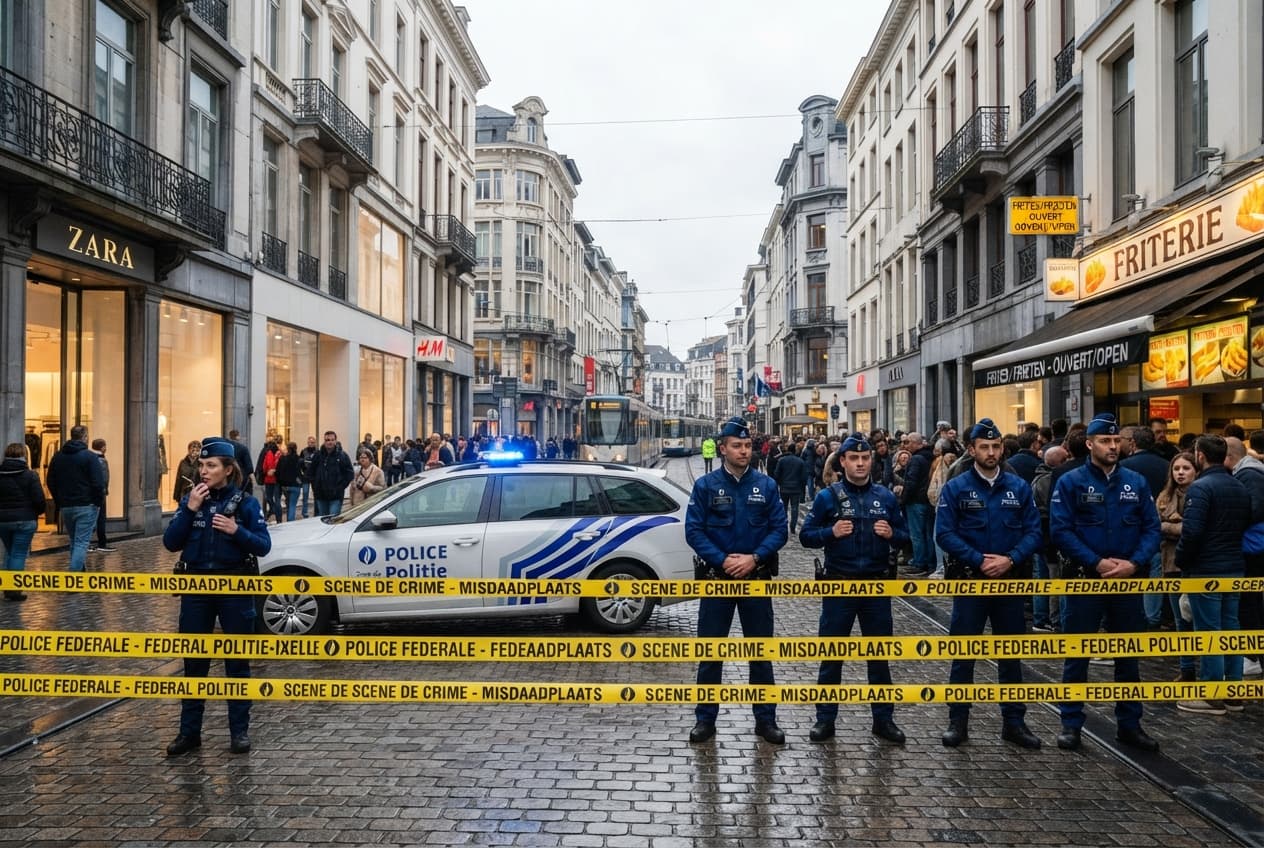
AI image disclaimer: Illustrations were created using AI tools and are not real photographs.
Sources
Chicago Tribune Associated Press NBC Chicago Reuters
Published by Banx Network. This article is part of the Banx decentralized media programme, powered by the BXE token on the XRP Ledger.