There are days in diplomacy that feel almost ceremonial — where history is folded neatly into handshakes, and tradition carries the quiet weight of continuity. St. Patrick’s Day, in particular, has long been more than a celebration of heritage; it is a ritual of connection between nations bound by memory, migration, and mutual influence. The annual gatherings at the White House have often symbolized that enduring thread between Ireland and the United States.
This year, however, a different note has entered the familiar melody. The Sinn Féin has not been invited to attend the St. Patrick’s Day events at the White House, according to statements from the U.S. Embassy in Ireland. The decision marks a departure from recent practice, when representatives from across Ireland’s political spectrum typically participated in commemorative engagements in Washington.
The embassy confirmed that invitations were extended in line with U.S. government policy, though it did not elaborate extensively on the reasoning behind the exclusion. The development comes amid ongoing political sensitivities, both in Ireland and in Northern Ireland, where Sinn Féin remains a prominent force. As the largest nationalist party in Northern Ireland and a significant political presence in the Republic of Ireland, its absence from the annual diplomatic ritual carries symbolic resonance.
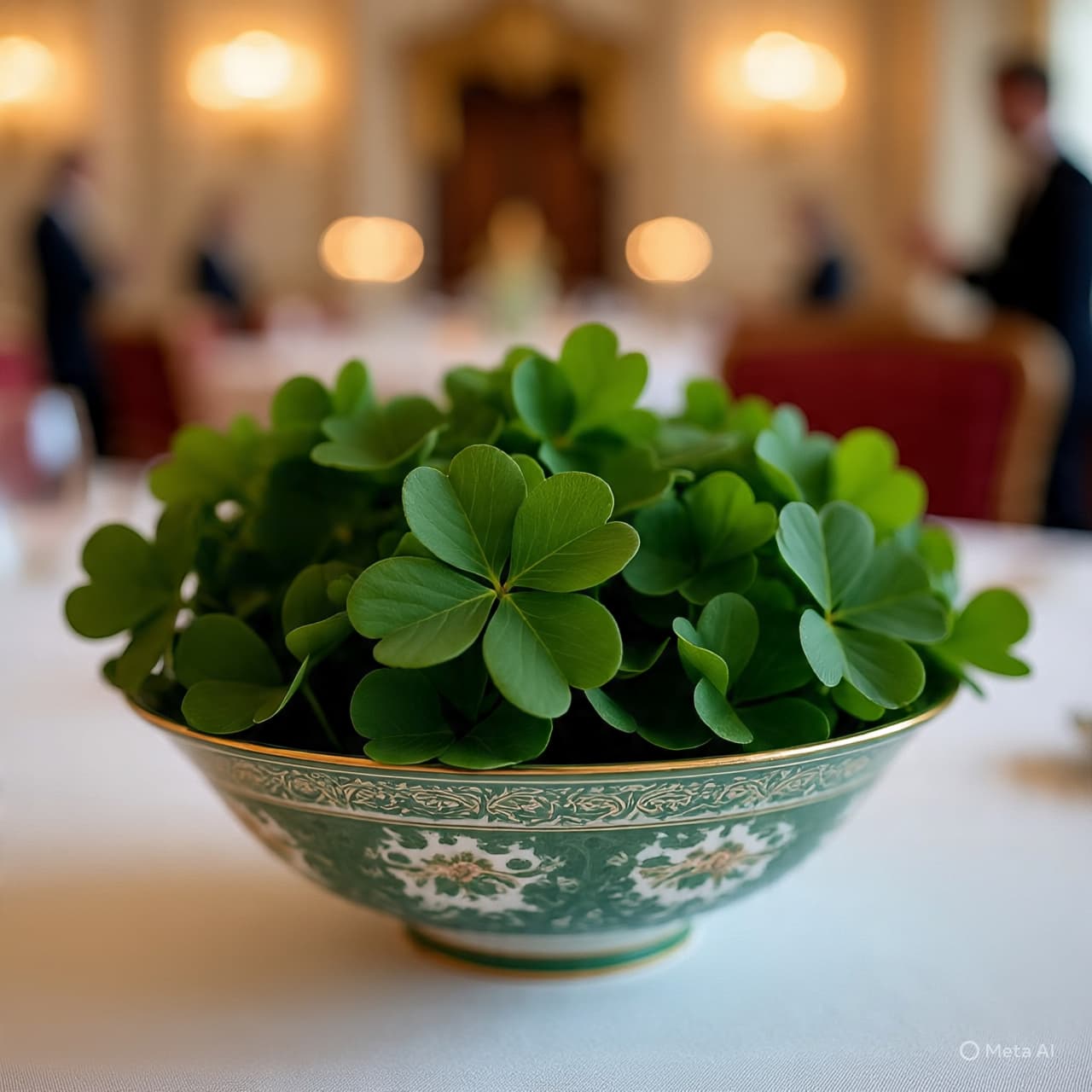
St. Patrick’s Day events in Washington have traditionally included meetings, receptions, and ceremonial exchanges, often culminating in the presentation of shamrocks to the U.S. president. Over the decades, leaders from Dublin and Belfast have used the occasion to reinforce political dialogue and celebrate cultural ties. While largely ceremonial, the gatherings also reflect the evolving relationship between the two nations.
Sinn Féin representatives have expressed disappointment at the decision, noting the importance of inclusive engagement during moments that highlight Irish heritage on the global stage. Party figures have suggested that diplomatic occasions such as these offer opportunities for dialogue rather than division.
Observers point out that U.S.-Irish relations extend far beyond a single event. The relationship is anchored in trade, diaspora connections, and shared political history, including American involvement in supporting the peace process in Northern Ireland. That broader framework remains intact, even as particular invitations draw scrutiny.
The White House has not issued a separate public statement regarding the guest list, and it remains unclear whether the decision signals a longer-term shift or reflects specific considerations tied to this year’s celebrations. Diplomatic calendars often reflect layers of policy, protocol, and circumstance that are not immediately visible.
For many, St. Patrick’s Day in Washington is less about politics than about affirmation — a reminder of how intertwined histories can evolve into partnership. Yet, in the realm of diplomacy, even gestures steeped in tradition can carry nuanced meaning.
As the holiday approaches, preparations continue for the scheduled events at the White House. Official representatives from Ireland are expected to attend, and the customary exchanges are anticipated to proceed. Beyond this year’s invitations, the broader relationship between Ireland and the United States remains guided by long-standing cooperation and shared interests.
In time, the contours of this decision may become clearer. For now, the ceremonies will unfold as planned, even as the absence of one political voice quietly underscores the complexities that can accompany even the most time-honored traditions.
AI Image Disclaimer: Images in this article are AI-generated illustrations, meant for concept only.
Source Check: The following credible mainstream outlets have reported on the development:
1. BBC News 2. Reuters 3. The Guardian 4. The Irish Times 5. Politico
Published by Banx Network. This article is part of the Banx decentralized media programme, powered by the BXE token on the XRP Ledger.