
Key Highlights
- Minneapolis has become a focal point for immigration enforcement scrutiny.
- Immigration arrests continue quietly across the U.S., often unnoticed.
- Advocacy groups report a growing sense of fear within immigrant communities.
In Minneapolis, the streets have been watched closely. Cameras linger, and voices rise as the city has become a focal point, its name repeated across broadcasts and banners as a symbol of confrontation between federal power and public resistance. Attention gathers there, dense and unwavering, creating a narrative that captivates the nation.
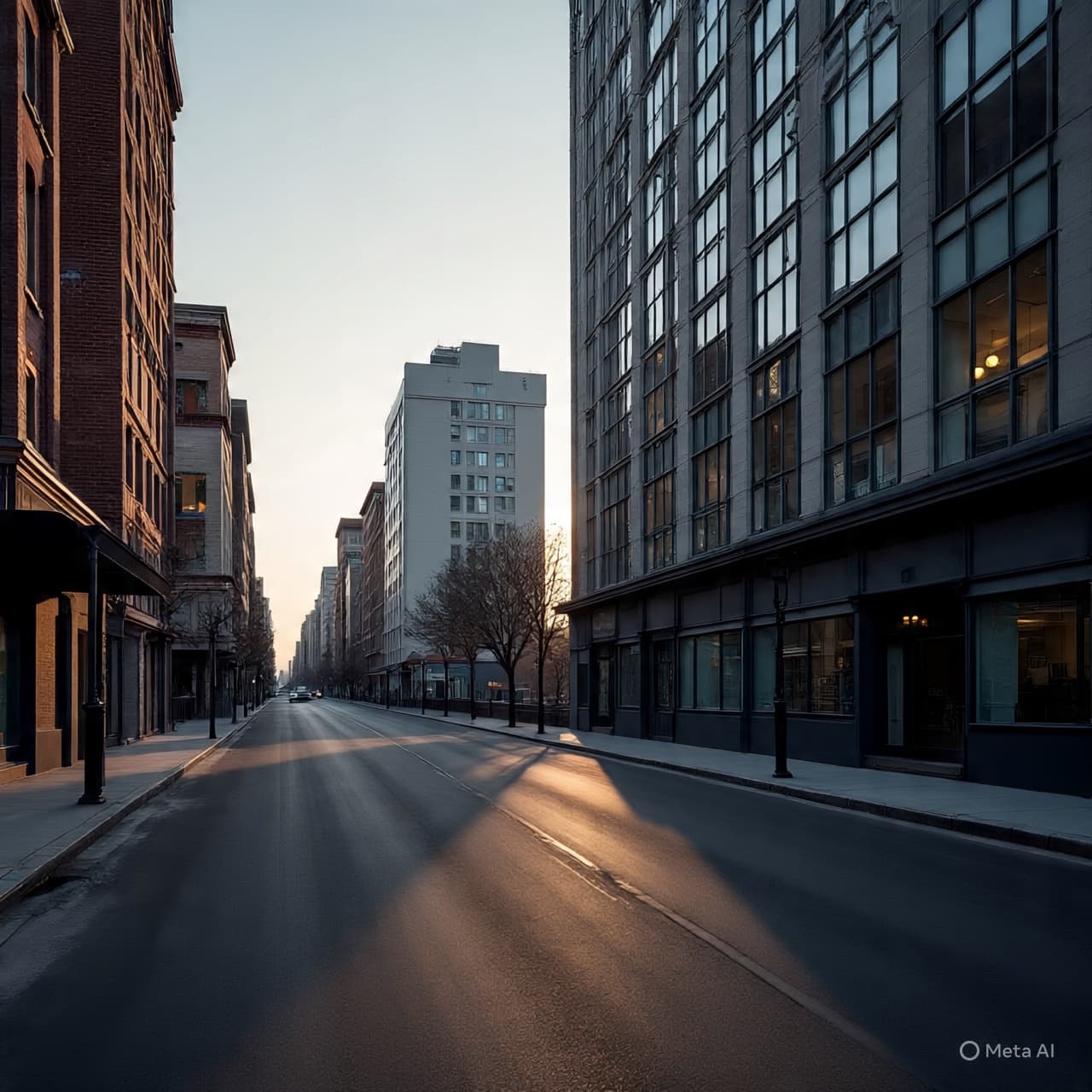
Elsewhere, however, the country exhales more quietly. In cities and towns far from Minnesota, immigration arrests have continued with little spectacle. There are no crowds, no helicopters circling overhead. Instead, there are brief encounters in parking lots, outside workplaces, and near apartment complexes. These moments can last only a few minutes, sometimes less, before the space returns to normal, as if nothing has happened.
For those living within immigrant communities, this calm is deceptive. Advocacy groups describe a persistent unease, a sense that enforcement has not slowed but adapted. Arrests unfold quickly, deliberately avoiding the attention that has turned Minneapolis into a stage. What is visible in one place becomes diffuse everywhere else, creating a hidden crisis that many are unaware of.
The pattern of enforcement is not new, but its timing is telling. As national scrutiny intensifies around a single city, operations elsewhere appear to move with greater efficiency and less noise. Enforcement does not pause; it redistributes. Geography becomes strategy, with federal officials targeting immigrant communities in less visible locations, effectively sidestepping the public eye.
In many cases, individuals are detained while attending routine obligations — commuting to work, checking in with authorities, or running errands that anchor daily life. There is little warning and little opportunity for intervention. Legal observers and community networks often learn of arrests only after they have already concluded, leaving families and friends in the dark about their loved ones' whereabouts.
This produces a particular kind of fear, one that does not erupt into protest but settles inward. Parents adjust their routes to avoid potential encounters with law enforcement. Workers hesitate before leaving home, weighing the risks of daily activities. Conversations are shortened, and trust in public spaces erodes quietly, without the rupture that draws attention.
The contrast between Minneapolis and other cities is stark. In Minneapolis, enforcement is debated openly, examined, and contested. Elsewhere, it proceeds almost invisibly, shielded by distance from the spotlight. Both realities exist at once, shaping different experiences of the same policy and highlighting the complexities of immigration enforcement in America.
Federal officials maintain that arrests are targeted and lawful, framing them as routine enforcement. Critics argue that this routine is precisely the problem — that when force becomes ordinary, its impact spreads beyond those directly detained, reshaping entire communities through uncertainty and fear. As attention remains fixed on one city, the broader landscape tells a subtler story.
The absence of cameras does not signal the absence of action. Instead, it signals a shift in how action is carried out. For many, the sense of being hunted does not come from spectacle but from unpredictability. Knowing that while the nation watches Minneapolis, enforcement continues elsewhere, quietly threading itself into everyday life, leaving behind no headlines — only spaces where someone was, and is no longer.
Published by Banx Network. This article is part of the Banx decentralized media programme, powered by the BXE token on the XRP Ledger.



