In the quiet morning hours, when the sun first brushes the earth and day breaks in a gentle warmth, communities wake with the trust that today will hold its own small miracles. There is something quietly human about the places where neighbors meet, where care does not only happen in antiseptic rooms with fluorescent lights, but in open spaces shaded by trees, on benches near water pumps, and in conversation over familiar paths. In such places, health and hope find companions — and in the story of community‑based HIV treatment in Africa, this companionship carries new meaning.
For decades, the global response to HIV has been anchored in clinics, hospitals, and health centers — spaces designed with structure, expertise, and high standards of clinical rigor. These places have delivered antiretroviral therapy (ART) that transformed HIV from a fatal disease into a manageable condition, helping millions to live longer, healthier lives. Yet the journey to sustained care has not always been simple. Barriers such as travel time, cost, stigma, and long waiting periods have sometimes kept people away from the very care designed to help them. In response, practitioners and policymakers have asked a gentle but profound question: What if care could walk with people where they already live? Recent research across several African nations provides a thoughtful answer, suggesting that community‑based HIV treatment can be just as effective as traditional clinic care for many individuals.
In a study synthesizing evidence from trials conducted in six African countries, researchers found that models of care delivered in communities — whether through local health workers, peer groups, or decentralized ART distribution — matched clinic‑based care in maintaining viral suppression and keeping people engaged in treatment. This is significant because sustained viral suppression is not just a clinical milestone; it is the quiet assurance that, on a microscopic level, the virus is kept in check, enabling individuals to live fuller, healthier days without fear of progression. The findings showed no meaningful differences in key outcomes between community‑delivered and traditional clinic care, suggesting that the heart of effective HIV treatment may lie equally in human connection as in clinical settings.
There is a poetic simplicity in this finding: care delivered where community breathes may ease congestion in clinics, reduce travel burdens on patients, and soften the edges of stigma by normalizing care among familiar faces. It suggests that the embrace of a community can be as therapeutically powerful as any prescription. The health worker who visits a local meeting place, the peer supporter who shares a familiar path with someone newly diagnosed, and the village outreach program that ensures ART refills near home — these are not just logistical options. They are expressions of care woven into the fabric of daily life.
At the same time, this approach does not reject the value of clinics. Instead, it invites a more nuanced ecosystem of care, where clinics and community models work in harmony. People who require specialized medical attention or have complex health needs still find skilled support in clinical environments, while those who are stable on ART can choose convenient, familiar avenues for their ongoing treatment. It is an approach that acknowledges both the technical rigors of medicine and the human rhythms of life.
Implementing community‑based models also speaks to the broader goals of health systems striving for efficiency without compromising quality. By offering care where people are, systems can reduce crowding in health facilities and focus clinical resources where they are most needed. For patients, it means spending less time and money on travel and more time on livelihood, family, and community engagement. Such approaches gently shift the narrative from one of dependency on distant institutions to one of shared responsibility and local empowerment.
What emerges from these studies is a landscape of care that is adaptive, human‑centered, and inclusive. The knowledge that a person can receive trusted HIV treatment in their community with outcomes similar to clinic care is more than a clinical finding — it is a reassurance that health systems can meet people where they are, honoring both their medical needs and their everyday lives.
Recent research across multiple African contexts indicates that community‑based HIV treatment delivery models achieve similar rates of viral suppression and patient retention as conventional clinic‑based care. These findings suggest that expanding people‑centered care approaches may improve access, reduce healthcare facility burden, and support broader goals for sustained HIV treatment outcomes.
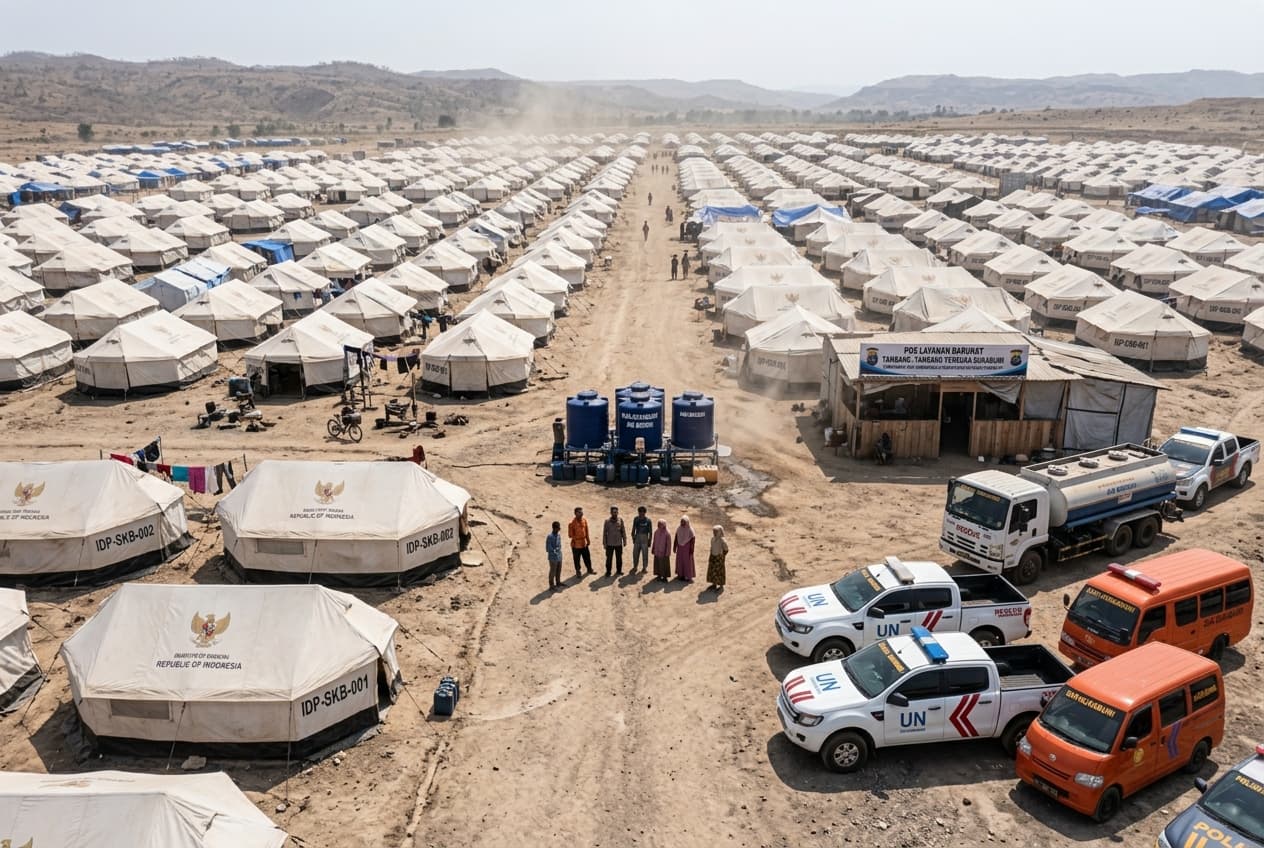
AI Image Disclaimer
*“Graphics are AI‑generated and intended for representation, not reality.”*
sources found (media names only):
1. Daily News Egypt / Africa Daily News 2. Nature Communications (related community HIV care research) 3. The Lancet Global Health 4. Frontiers in Public Health 5. PRB (Population Reference Bureau)
Published by Banx Network. This article is part of the Banx decentralized media programme, powered by the BXE token on the XRP Ledger.