
Key Highlights
- Incident:Gunfire erupted in the Philippine Senate during a confrontation involving Senator Ronald dela Rosa.
- Context:The senator faces legal issues related to the controversial anti-drug campaign initiated by former President Duterte.
- Reactions:The incident has intensified political tensions and raised questions about accountability in the Philippines.
In a shocking turn of events, gunfire erupted within the Philippine Senate this week, transforming a routine political session into a scene of chaos and alarm. The incident centered around Senator Ronald dela Rosa, a prominent figure closely associated with former President Rodrigo Duterte's contentious anti-drug campaign. Reports indicate that tensions escalated as authorities attempted to execute legal proceedings linked to allegations against dela Rosa, who reportedly resisted arrest connected to an ongoing investigation by the International Criminal Court (ICC).
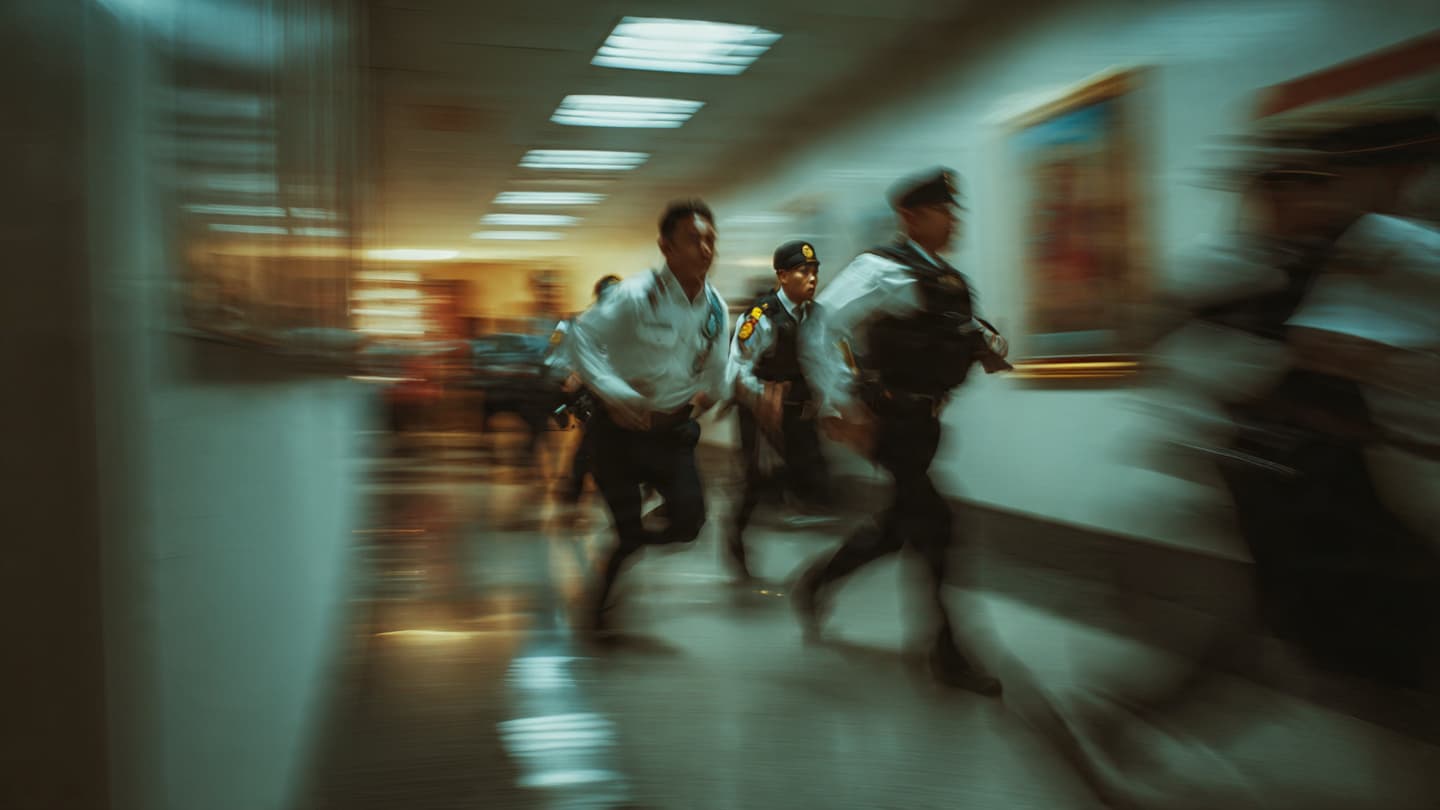
Witnesses described a scene of confusion as security personnel rushed through the Senate corridors, while lawmakers, journalists, and staff scrambled to comprehend the unfolding situation. Eyewitness accounts confirmed the sound of gunshots, although officials initially provided scant details regarding the source of the gunfire or any potential injuries.
The political climate surrounding Senator dela Rosa has been fraught with tension even before the gunfire erupted. As a staunch defender of Duterte's anti-drug operations, he has been a polarizing figure in Philippine politics. Supporters laud the campaign as a necessary response to rampant crime and drug-related violence, while critics and human rights advocates decry it as a period marked by extrajudicial killings and widespread fear in vulnerable communities. This dichotomy continues to shape political discourse in the Philippines.
The ICC's scrutiny of the Philippines' drug war has further complicated matters. Although the country formally withdrew from the ICC during Duterte's presidency, the court has maintained an interest in alleged crimes committed while the Philippines was still a member. Duterte's allies, including dela Rosa, have consistently challenged the ICC's authority, insisting that domestic institutions should handle such matters independently.
The confrontation in the Senate is emblematic of deeper, unresolved national conflicts. The images emerging from the scene—armed personnel, crowded hallways, and anxious lawmakers—carry symbolic weight that transcends the immediate incident. Observers suggest that this standoff places additional pressure on President Ferdinand Marcos Jr., who must navigate the delicate balance between maintaining relations with the influential Duterte faction and addressing international calls for accountability and rule of law.
As the political alliance that once seemed stable shows signs of strain, the legal developments involving Duterte's allies threaten to exacerbate these fractures. Beneath the surface of institutional drama lies a more profound emotional reality for many Filipinos. The drug war was not merely a political slogan; it impacted neighborhoods, families, and entire communities. For some, it represented a sense of order and safety, while for others, it left a legacy of grief and trauma that continues to resonate.
The emotional divide surrounding the drug war becomes evident each time the issue resurfaces in public discourse. The events in the Senate this week serve as a stark reminder of a nation grappling with how to reconcile its past and envision its future. As investigations into the gunfire and the legal status of Senator dela Rosa unfold, authorities have called for calm, while political allies and critics offer sharply contrasting interpretations of the events. Supporters frame the confrontation as an act of political intimidation, while opponents assert that accountability must prevail, regardless of status or influence.
For now, uncertainty looms over the Philippine political landscape, as the Senate chamber—designed for debate and legislation—finds itself at the center of a national crisis.
Published by Banx Network. This article is part of the Banx decentralized media programme, powered by the BXE token on the XRP Ledger.



