Medical progress often advances through a series of small steps rather than sudden leaps. Researchers spend years studying diseases, testing treatments, and refining approaches before meaningful improvements become visible. Occasionally, however, new findings stand out as particularly encouraging. Recent reports surrounding a pancreatic cancer treatment have drawn attention for showing significantly improved patient survival outcomes.
Pancreatic cancer remains one of the most challenging forms of cancer to treat. The disease is often difficult to detect in its earliest stages, and treatment options have historically faced significant limitations. As a result, researchers around the world continue searching for more effective therapies and diagnostic tools.
The latest findings have generated interest because they suggest measurable improvements compared with previous outcomes. While researchers emphasize the need for continued study and evaluation, the results represent a potentially important development within the field of oncology.
Cancer research has become increasingly sophisticated over the past several decades. Advances in genetics, molecular biology, immunotherapy, and precision medicine have expanded understanding of how diseases develop and respond to treatment. These insights are helping scientists design therapies tailored to specific biological characteristics.
The significance of improved survival outcomes extends beyond statistics. For patients and families, medical advancements can offer additional time, expanded treatment possibilities, and renewed hope during difficult circumstances. Every improvement represents the efforts of countless researchers, clinicians, and participants involved in clinical studies.
Modern clinical trials play a critical role in evaluating new treatments. Researchers carefully monitor safety, effectiveness, and long-term outcomes before therapies become widely available. This process helps ensure that innovations meet rigorous scientific standards.
The broader cancer research community continues to pursue multiple avenues of investigation simultaneously. Efforts include improving early detection, developing targeted therapies, enhancing supportive care, and understanding how different cancers respond to treatment under varying conditions.
Healthcare institutions across the United States and around the world contribute to this work through collaboration and knowledge sharing. Advances achieved in one research center often inform efforts elsewhere, creating a collective pursuit of better outcomes for patients.
Experts caution that individual results may vary and that further research remains essential. Scientific progress is typically built upon continuous refinement rather than definitive conclusions reached from a single study.
Even so, the reported findings provide a reminder of the value of sustained medical research. In fields where challenges remain significant, each step forward has the potential to improve lives and expand understanding. For many observers, that possibility remains one of the most important motivations behind scientific discovery.
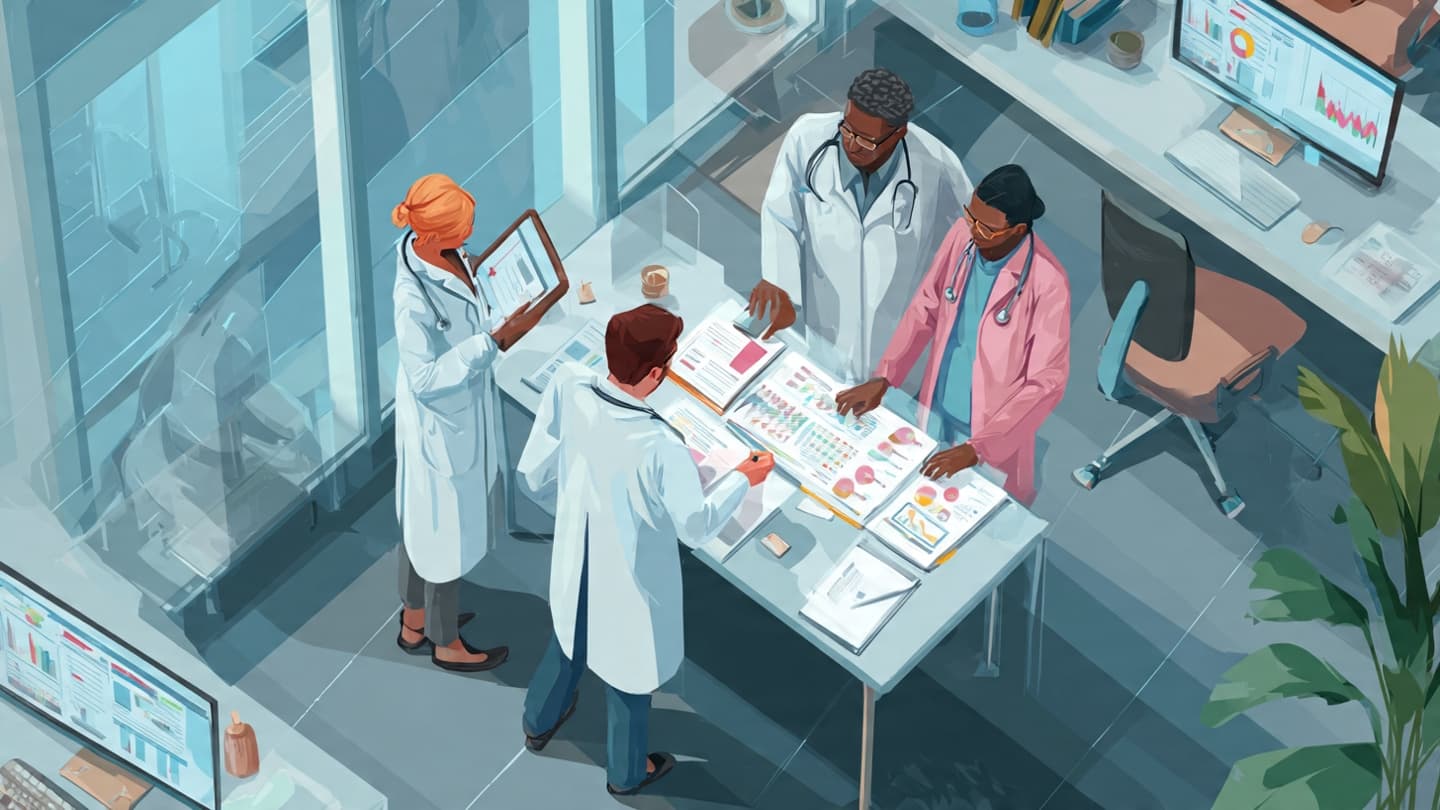
AI Image Disclaimer Graphics are AI-generated and intended for representation, not reality.
Source Check Credible sources available:
Reuters The Washington Post National Cancer Institute Mayo Clinic American Cancer Society
Published by Banx Network. This article is part of the Banx decentralized media programme, powered by the BXE token on the XRP Ledger.