There’s a moment each morning when the first light slowly rises above the horizon, touching everything it meets with promise before the day begins in earnest. In the same way, the concept of the AI PC rises today in enterprise technology — not with a loud proclamation, but with a quiet assurance that some new tools are here to enhance how work unfolds. For businesses that have spent years shaping data, people, and process into results, an AI PC represents a gentle new current in a river that has long carried digital transformation forward.
At its heart, an AI PC is more than a high-end laptop or desktop. It’s a system designed with three key engines — a central processor (CPU), a graphics unit (GPU), and a dedicated neural processing unit (NPU) — working in harmony to handle not just ordinary computing tasks but also intelligent workloads locally and efficiently. The NPU, in particular, brings machine intelligence to the device itself, helping it run AI-enhanced features without relying solely on cloud connections. This matters for enterprises where responsiveness and data protection aren’t luxuries but expectations embedded in everyday workflows.
Imagine a team collaborating on complex models, analyzing market signals, or synthesizing large data sets — work that once demanded heavy server cycles or long waits for remote processing. With an AI PC, much of this can happen right on the device, speeding up tasks and making insights feel close at hand. This local intelligence also keeps sensitive information where it belongs: on corporate-approved devices under enterprise control, reducing risk that comes with moving data back and forth over the internet.
But performance isn’t the only pillar that defines an AI PC’s enterprise readiness. Security and manageability have always been fundamental in business environments, and AI PCs are no different. Built-in security features — from hardware-assisted protection against emerging threats to tools that help IT departments manage and update fleets of machines remotely — help enterprises maintain stability even as they adopt new AI-driven workflows. In essence, the enterprise AI PC combines advanced computing with the discipline and trustworthiness businesses require.
Even the tools enterprises use to shape everyday tasks — from intelligent scheduling and real-time transcription to advanced analytics — become more fluid and responsive on hardware that understands their data without nervous lag. This doesn’t mean AI replaces human insight; rather, it smooths the edges of repetitive work and frees human teams to focus on higher-value decisions, creative problem-solving, and strategic collaboration.
Yet what truly makes an AI PC fit for enterprise is not just what it can do alone, but how it extends the capabilities of an organization’s existing IT ecosystem without compromising trust, security, or governance. It is in this balanced integration — performance, privacy, and power management — that the promise of intelligent computing becomes a tool that complements, rather than disrupts, the rhythms of business life.
In tangible terms, leading PC manufacturers are now shipping enterprise-ready AI PCs with certified hardware stacks, robust endpoint protections, and management tools that help enterprises deploy, monitor, and update machines across large teams. Operating systems and enterprise software vendors are also refining support for AI-enhanced workflows so that clients can realize measurable gains in productivity and agility.
In the end, what makes an AI PC fit for enterprise isn’t about being new or trendy; it’s about being capable, secure, manageable, and ready to serve the real, day-to-day needs of organizations seeking to balance innovation with prudence in a rapidly evolving technological landscape.
AI Image Disclaimer
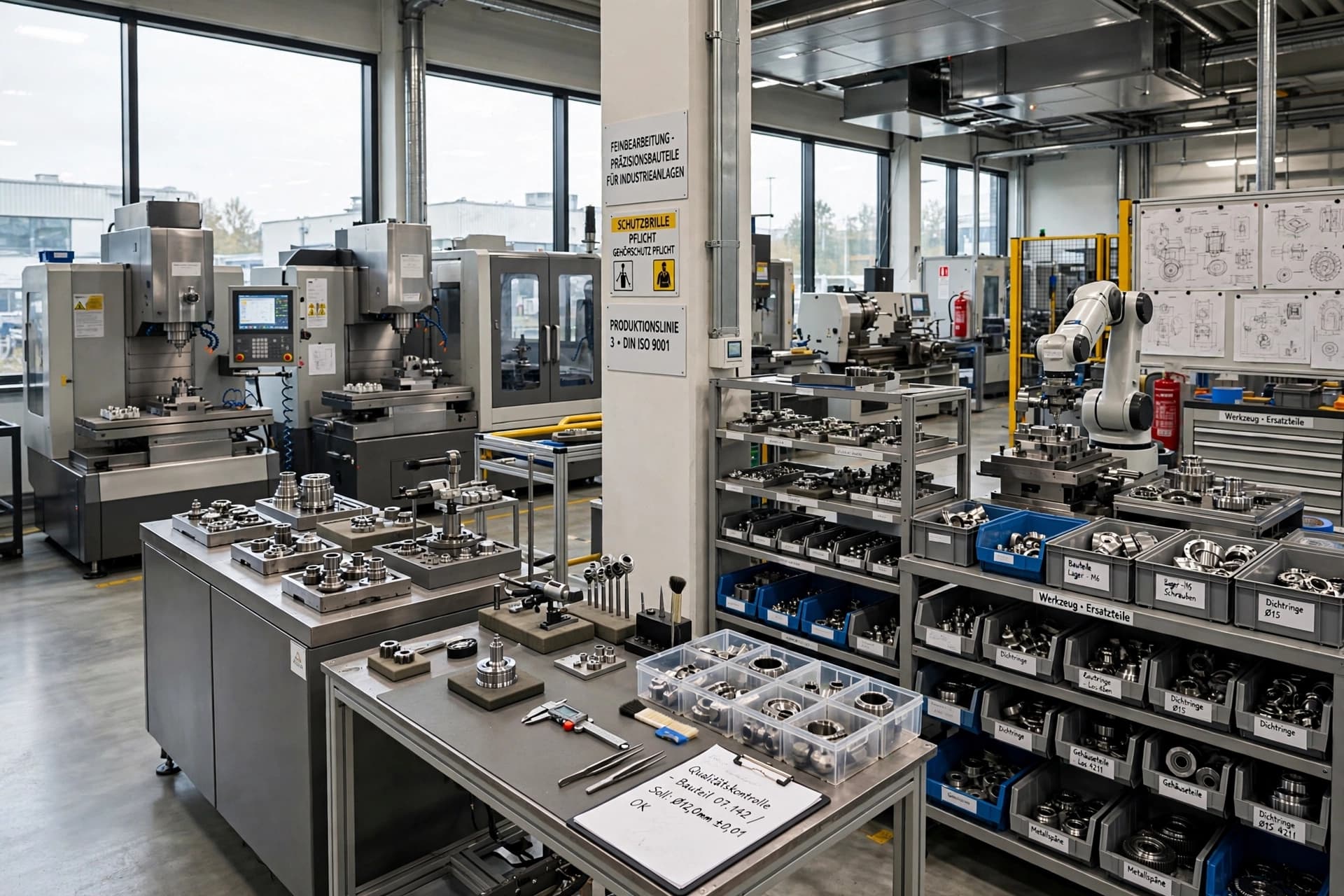
Visuals are created with AI tools and are not real photographs.
Sources:
1. Intel AI PC for Business Framework
2. Intel Definition of AI PC Hardware
3. Windows Central on AI PC Requirements
4. Intel AIOps and Security Enhancements
5. Microsoft & Industry Context for AI in Business
Published by Banx Network. This article is part of the Banx decentralized media programme, powered by the BXE token on the XRP Ledger.