In the gentle unfolding of another year’s financial calendar, the story of oil majors often reads like the tide: rising, falling, retreating, and returning with its own quiet rhythm. In boardrooms from Houston to New York, executives peer at numbers that do more than quantify profits; they reflect deeper currents in global demand, geopolitical pressure, and the slow evolution of energy itself. When two of the United States’ best-known energy giants release their earnings, it is not merely a ledger of dollars and cents but a moment of reflection on where the world’s appetite for oil stands today.
In the early days of 2026, Exxon Mobil and Chevron — titans of American “supermajor” oil production — reported quarterly and annual results that well exceeded Wall Street expectations in some measures but also underscored the complexities of the current energy landscape. Exxon Mobil’s fourth-quarter earnings surpassed forecasts, buoyed by robust production from its prolific Permian Basin operations and deepwater fields such as Guyana, achieving what company officials described as a multi-decade high in oil-equivalent output. This performance helped cushion the impact of lower crude prices that softened overall revenue.
Chevron, too, reported earnings that exceeded estimates, though its adjusted profit per share reflected the broader pressure of weaker oil prices and foreign currency headwinds. Even so, Chevron’s production growth — including from newly integrated assets — helped sustain cash flow and allowed the company to increase its dividend.
What distinguished these two giants was not simply that they posted profits — many oil and gas companies did — but that one saw clearer momentum in comparable growth metrics while the other faced heavier headwinds from price weakness in global crude markets. Crude oil prices, which dipped through much of 2025 before recovering portions of their earlier value, have acted as both a stabilizing and destabilizing force: making production volumes more valuable in some quarters and constraining overall return in others.
Beyond the quarterly figures lies another narrative thread that connects earnings to geopolitics: Venezuela’s vast oil reserves and U.S. policy shifts. Chevron remains the only major U.S. oil company with ongoing upstream operations in Venezuela, positioning it to benefit if political conditions and sanctions evolve in ways that unlock additional output. Yet Chevron’s leadership has signaled caution, emphasizing disciplined capital deployment rather than a full-throttle investment surge, even as potential expansion opportunities loom.
Exxon, for its part, has taken a more measured stance toward Venezuela, citing legal and political uncertainties that temper its enthusiasm for large-scale investment there. That divergence in strategy illustrates how even companies built on the same commodity can interpret global signals differently — much as two gardeners might tend the same soil with distinct tools and visions.
As markets continue to price in a mix of supply dynamics, production records, and geopolitical flux — from U.S. energy policy to evolving relationships with oil-producing nations — the earnings of these giants offer more than a snapshot of quarterly performance. They offer a lens on how energy companies are balancing the immediate realities of production and price with longer-term strategic choices about where to grow, and where to wait.
In the latest earnings season, Exxon Mobil reported strong fourth-quarter profits partly supported by record output, while Chevron also exceeded expectations despite facing similar pressures from lower crude oil prices. Chevron’s unique position in Venezuela’s oil sector may influence its future earnings as geopolitical and policy conditions unfold. Both companies are navigating a complex energy market marked by production growth, price volatility, and evolving strategic priorities.
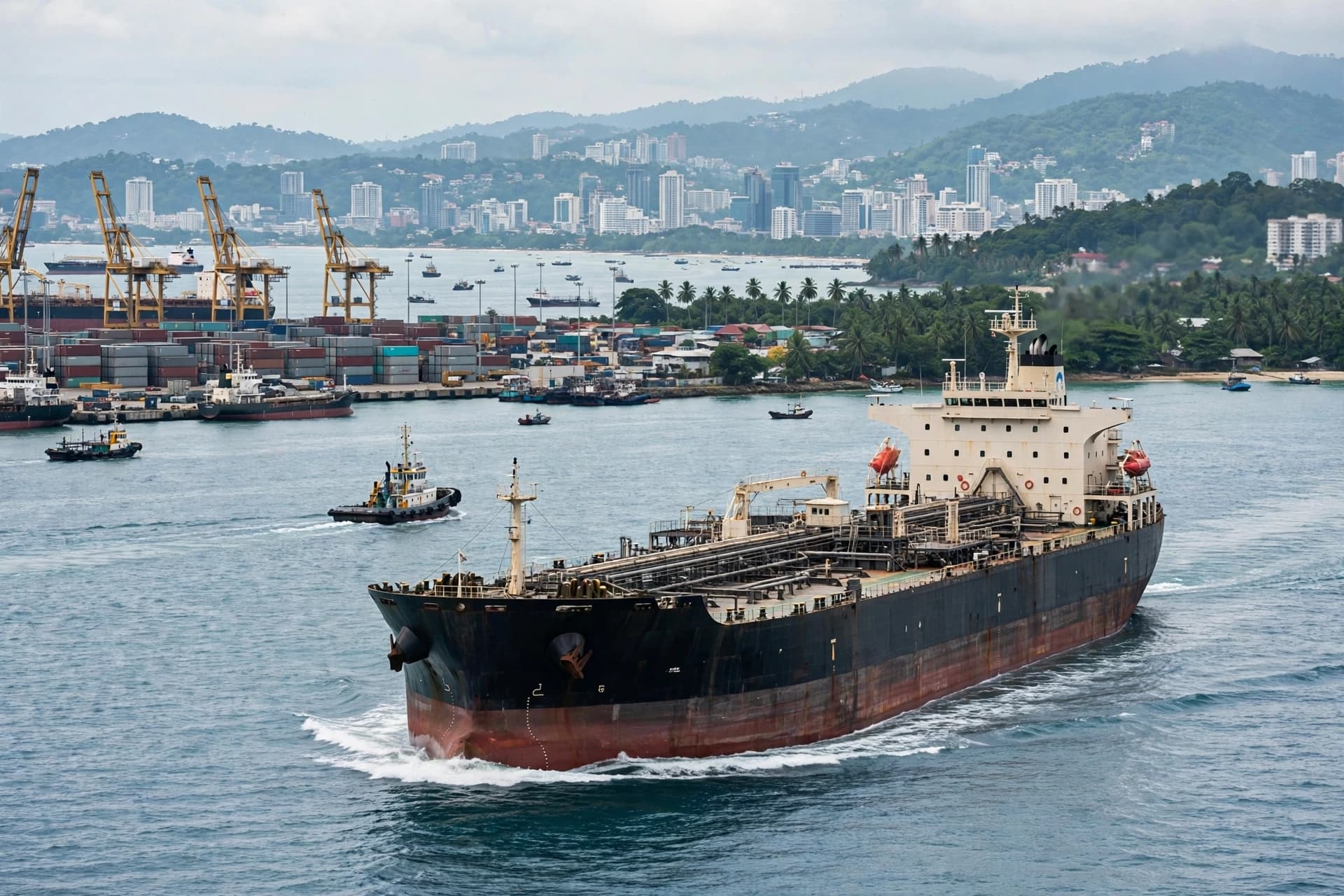
AI Image Disclaimer (Rotated) Visuals are created with AI tools and are not real photographs.
sources
Reuters, AP News, Financial Times, Houston Chronicle, Le Monde — all reporting relevant developments including earnings results, production levels, geopolitical context, U.S.–Venezuela oil dynamics, and company strategies.
Published by Banx Network. This article is part of the Banx decentralized media programme, powered by the BXE token on the XRP Ledger.