
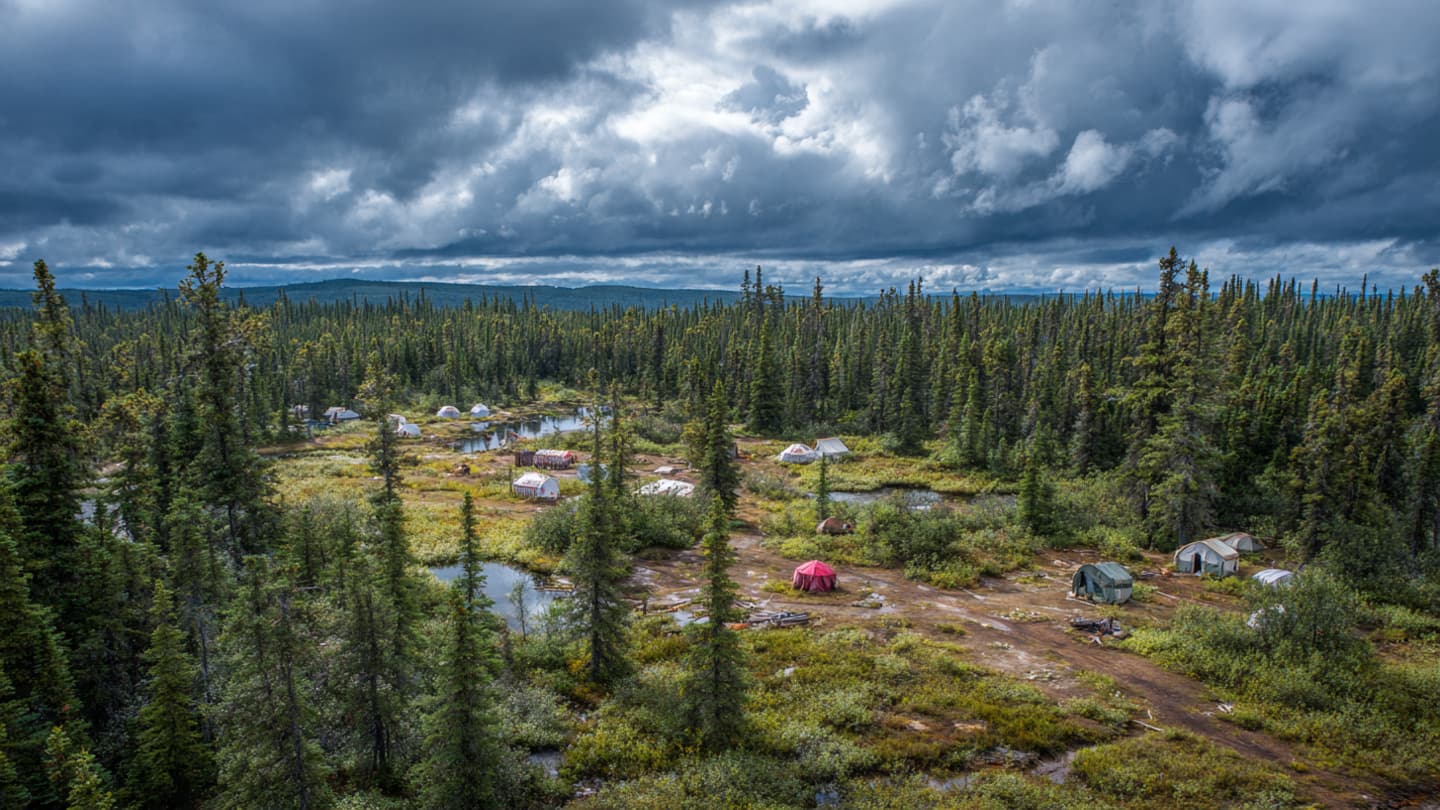
In the vast northern stretches of Saskatchewan, where forests extend beyond roads and silence often settles heavier than sound, work camps and exploration sites exist close to the rhythms of untamed wilderness. For many workers, the landscape is both livelihood and reminder that nature still carries its own unpredictable authority. This week, that reality became painfully clear after a fatal bear attack near a uranium exploration project.
Authorities confirmed that the victim was a contractor working at a uranium exploration site in northern Saskatchewan. The attack occurred in a remote area where industrial activity and wildlife habitats intersect closely, creating conditions that can occasionally place humans and large animals in dangerous proximity. Emergency responders and local officials later identified the man following notification of family members.
According to preliminary reports, the incident took place near the exploration camp during active operations in the region. Details surrounding the exact circumstances remain limited as investigators continue reviewing the event alongside workplace safety authorities and environmental officials. The company connected to the exploration work expressed condolences to the victim’s family and colleagues.
Bear encounters are not uncommon in northern Canadian wilderness areas, though fatal attacks remain relatively rare. Wildlife experts often note that industrial development in remote regions requires ongoing awareness of animal movement patterns, particularly during warmer months when bears become more active in search of food sources. Camps and field operations typically follow strict wildlife safety protocols intended to minimize risk.
Workers in exploration, mining, and forestry industries frequently undergo training related to wildlife encounters. These measures may include carrying deterrents, storing food securely, maintaining communication systems, and traveling in groups when possible. Despite such precautions, experts acknowledge that wilderness environments can still produce sudden and unpredictable situations.
The incident has also renewed broader conversations about balancing resource development with environmental realities in northern Canada. Uranium exploration remains an economically important sector for Saskatchewan, particularly in remote communities where mining-related industries provide employment and infrastructure investment. Yet these operations continue to exist within ecosystems shared by large wildlife populations.
Community members and industry representatives alike have responded with expressions of sympathy and reflection following the tragedy. In remote work environments, crews often form close professional bonds due to the isolation and demanding conditions of northern operations. The loss of a worker can therefore resonate deeply across multiple communities connected to the project.
Investigations into the incident are ongoing, and officials have not announced additional operational changes at the site at this stage. Wildlife authorities continue monitoring the surrounding area while workplace safety agencies review the circumstances surrounding the fatal encounter.
AI Image Disclaimer: Some visuals accompanying this report were created using AI-generated imagery to represent the geographic setting and environmental conditions.
Sources: CBC News, CTV News, Global News
Published by Banx Network. This article is part of the Banx decentralized media programme, powered by the BXE token on the XRP Ledger.


.jpg&w=3840&q=75 "Romania Passes Controversial Integrity Law for Officials to Access EU Funds")