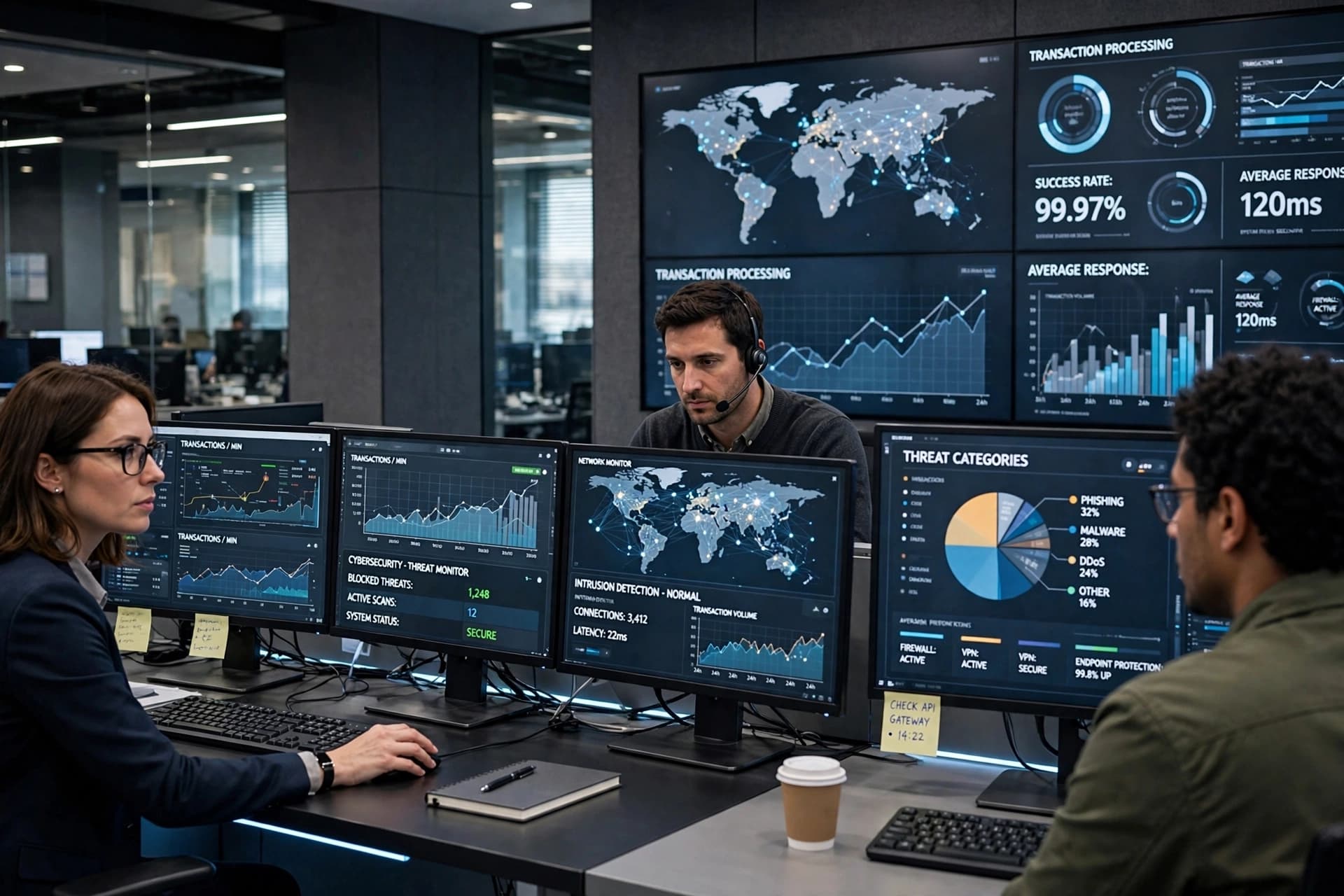
There are moments when the pulse of an era seems visible through its spending — like footprints in freshly fallen snow, tracing the direction of collective ambition. Today, the world’s biggest technology companies appear to be leaving such imprints, embarking on what might be described as an ambitious, even audacious investment journey. In 2026, Amazon, Alphabet (Google), Meta, and Microsoft are planning to pour nearly $600 billion or more into artificial intelligence and related infrastructure, marking one of the most expansive capital spending waves in corporate history.
This surge in spending – on data centers, custom chips, and cloud computing capacity at a scale never seen before – is more than a series of financial line items. It is a reflection of a belief that AI will shape the future of work, creativity, and global economic leadership. For companies that once held cash-rich balance sheets and favored leaner operations, these commitments symbolize a new kind of race — not just for market share, but for the very architecture of tomorrow’s digital world.
Yet, as with all great pursuits, the glow of potential is tempered by questions. Markets have shown moments of weariness, with share prices of some giants dipping as investors weigh the scale and timing of returns from such heavy capital expenditures. What may look to some like confidence unfettered has, for others, the scent of uncertainty mixed with optimism. It’s a reminder that even in hopeful chapters of economic transformation, uncertainty often walks beside ambition.
The comparison to a “new Gilded Age” evokes an earlier time in history when rapid industrial expansion reshaped economies and societies alike. But this moment feels distinct. This wave of investment is not in steel or railroads — it is in algorithms and servers, in the invisible power of computation that hums beneath apps, services, and the digital tools of daily life.
Observers note that the scale of these investments signals how deeply AI has become embedded in strategic planning at these companies. Yet, the question that hovers gently over boardrooms and investment floors is whether this capital will translate into proportional shareholder value — and over what timeline. This tension between today’s massive outlays and tomorrow’s uncertain returns captures the mood of both excitement and caution that accompanies such a transformative pivot.
In the broader economic landscape, this rush of funds could ripple outward, shaping everything from job creation in the cloud and AI sectors to the competitive dynamics among technology suppliers and startups. But, as with any long journey, the path ahead will be written day by day — measured not just in billions spent, but in innovations launched and markets transformed.
For now, what we see is a moment of commitment on a grand scale, a testament to the confidence — and questions — that define this era of technological evolution.
AI Image Disclaimer
Visuals are created with AI tools and are not real photographs.
Sources (Credible Mainstream/Niche)
Business Insider Reuters Marketscreener Yahoo Finance The Guardian
Published by Banx Network. This article is part of the Banx decentralized media programme, powered by the BXE token on the XRP Ledger.