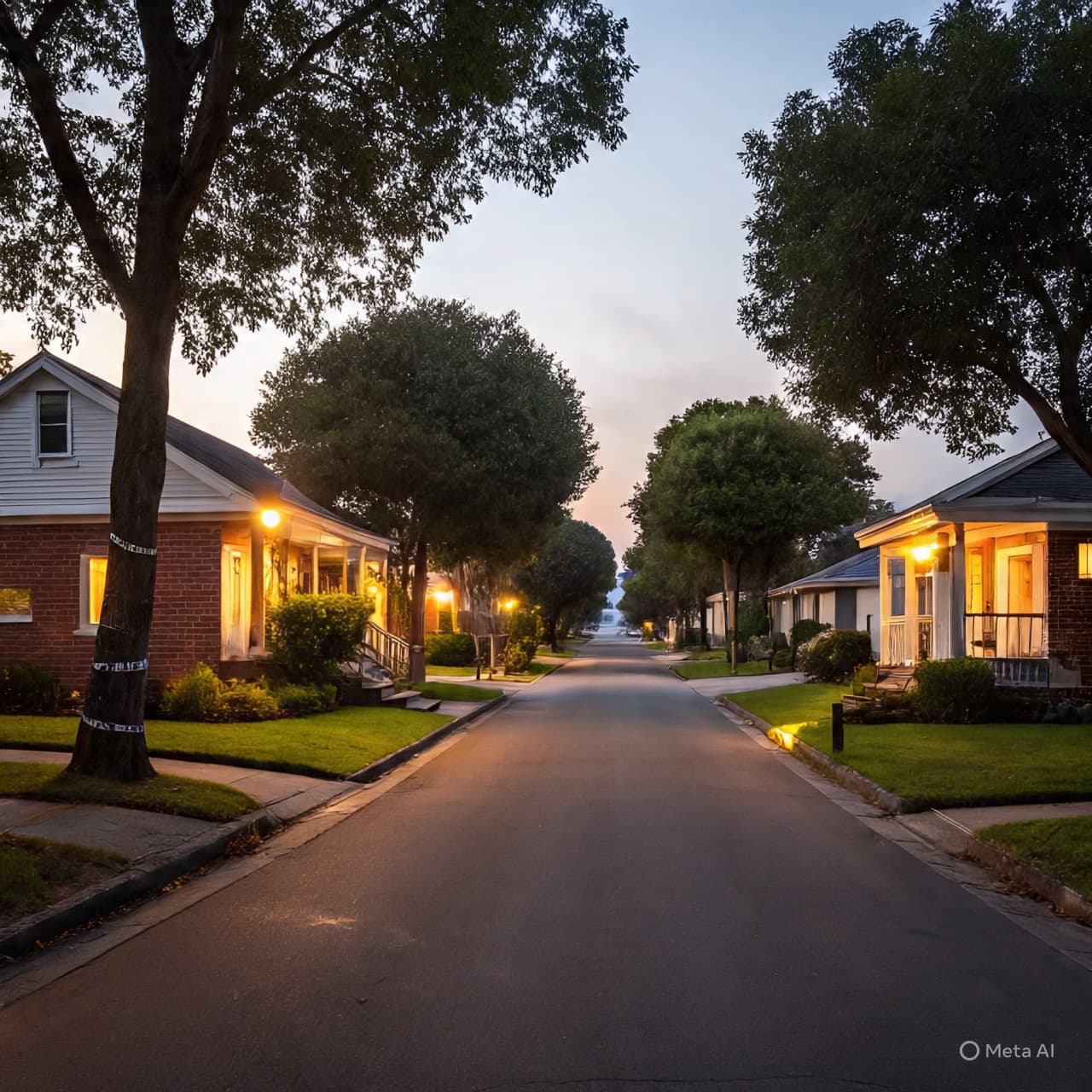
In the soft hush of an Australian evening, when porch lights flicker on and the air cools over quiet streets, life often moves in small, familiar patterns. A widower in his mid-eighties, long accustomed to solitude and routine, might fold the newspaper, rinse a teacup, and prepare for another unremarkable night. In suburbs across Victoria, such evenings pass gently, marked only by the hum of distant traffic and the rustle of trees along narrow roads.
But on one such night in Melbourne’s outer reaches, the calm thinned. An 85-year-old man, known to neighbors as reserved and steady, was taken from the rhythms of his home in what authorities later described as an apparent case of mistaken identity. Police in Victoria have said the widower was allegedly abducted by individuals who believed they were targeting someone else. In the confusion of assumption and haste, a life that had stretched across decades—through war-time memories, changing governments, and the quiet endurance of marriage and widowhood—was violently cut short.
Investigators have indicated that the men involved appeared to be seeking another individual, suggesting that the elderly man was not the intended target. The alleged kidnapping unfolded with a swiftness that belied the ordinariness of the setting. What followed, according to police briefings, was a fatal outcome that has left a family grieving and a community unsettled.
There is something particularly disorienting about violence born not of personal grievance, but of error. Mistaken identity carries a peculiar weight; it suggests randomness, a misreading of faces and addresses, a decision made in dim light. In this case, authorities moved quickly, arresting several suspects in the days following the incident. Charges were laid, and court proceedings began their measured course through the justice system. The language of law—kidnapping, murder, remand—now frames what neighbors remember more simply as a man who tended his garden and kept to himself.
Police statements have emphasized that there is no ongoing threat to the wider public. Yet reassurance does not fully quiet the subtle shift that occurs after such events. Streets look the same in the morning, sunlight catching on mailboxes and low fences, but conversation carries a different cadence. Residents speak of disbelief, of doors double-checked, of the strange closeness of something that once felt distant.
For the victim’s family, the loss is intimate and immeasurable. An 85-year-old widower holds within him a library of shared years—stories of a spouse now gone, of children and grandchildren shaped by his presence. To lose such a figure suddenly, and under circumstances so stark, is to feel time fracture. The future, once measured in birthdays and quiet visits, narrows into court dates and statements.
As the legal process unfolds in Victoria’s courts, the facts will be examined with precision. Evidence will be weighed; motives parsed; responsibility assigned. The broader community will gradually return to its routines, though perhaps with a sharper awareness of how thin the membrane can be between safety and disruption.
In the end, the story settles into two parallel truths. One is procedural: suspects arrested, charges filed, investigations ongoing. The other is human: an elderly man, living out his later years in modest quiet, taken not by design but by miscalculation. In that gap between intention and consequence lies the fragile reminder that identity, so personal and fixed to us, can be misread in a moment—and that such moments can echo far beyond the night in which they begin.
AI Image Disclaimer Illustrations were created using AI tools and are not real photographs.
Sources Victoria Police ABC News Australia The Guardian Australia The Age SBS News
Published by Banx Network. This article is part of the Banx decentralized media programme, powered by the BXE token on the XRP Ledger.