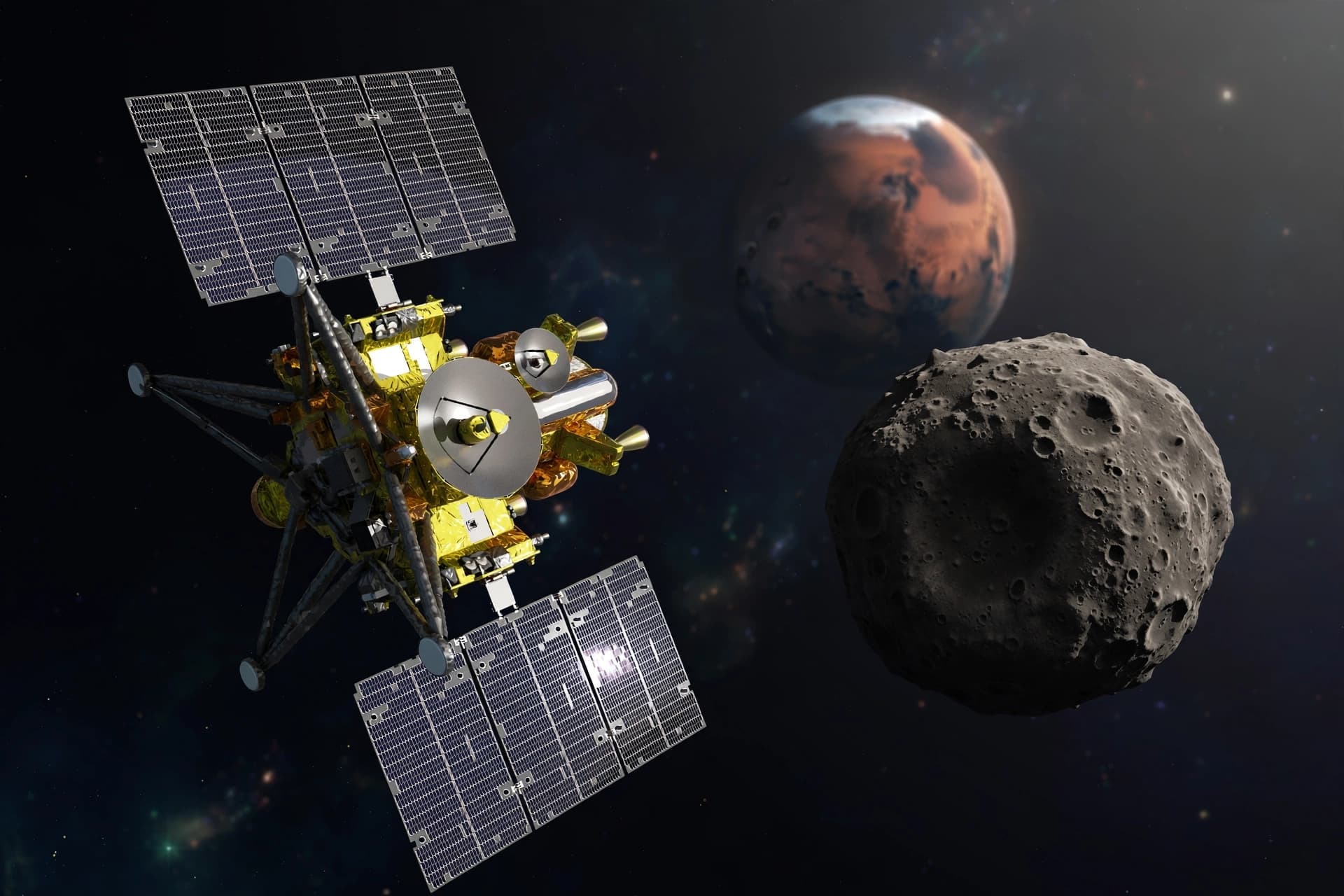
Space travel often carries with it a sense of distance not only in miles, but in perception. As spacecraft move farther from Earth, familiar references fade, and the environment becomes something quieter, more abstract, almost reflective in its stillness.
Astronauts who have spent extended periods in space have occasionally described moments that feel unusual, particularly when approaching regions of shadow around the Moon. These accounts, while sometimes described as “weird,” are generally rooted in known physical and psychological effects.
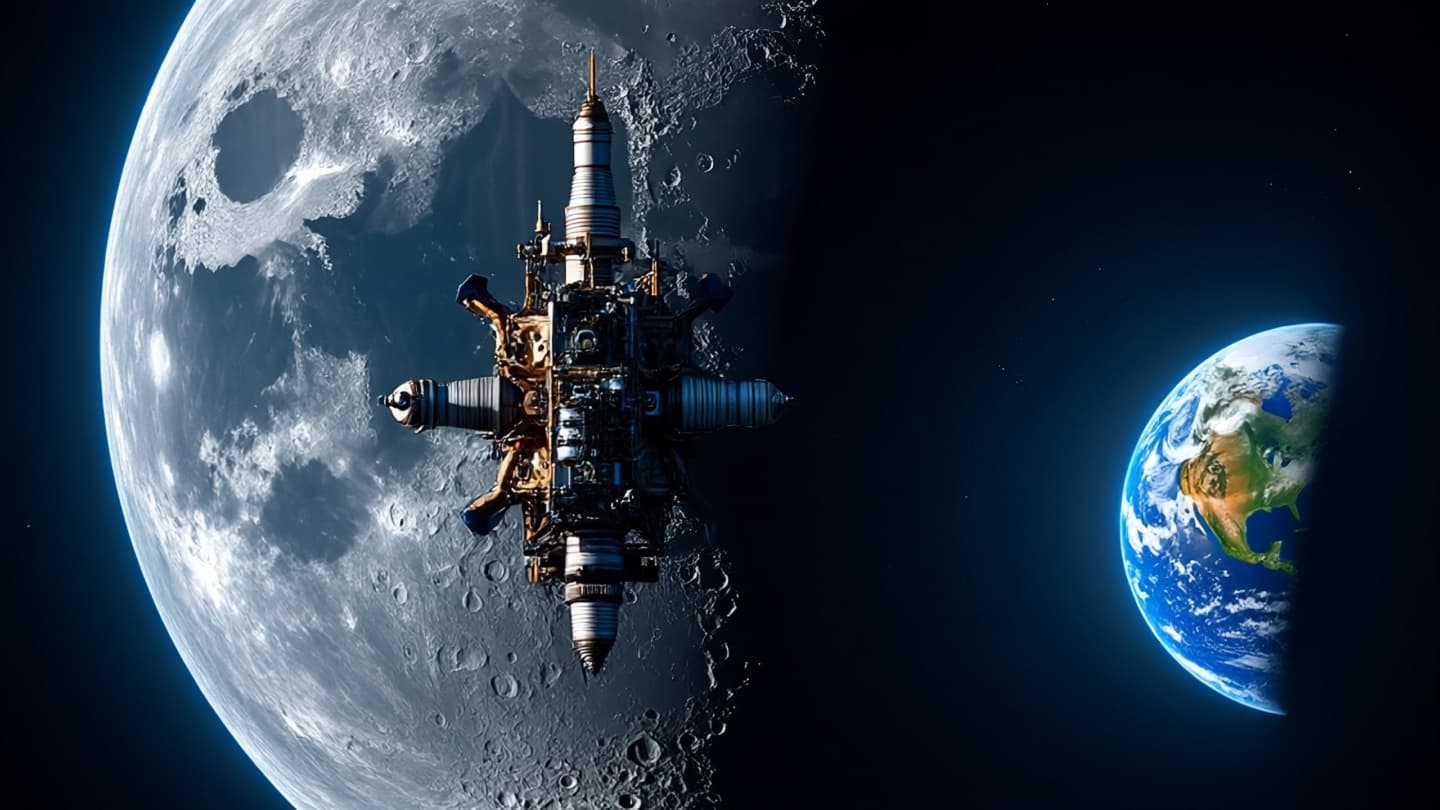
The far side of the Moon, often referred to as the “dark side,” is not permanently unlit but rotates in and out of sunlight. However, when spacecraft pass behind the Moon relative to Earth, communication signals are temporarily lost, creating a brief but notable period of isolation.
During this time, astronauts may experience a heightened awareness of silence and separation. Without direct communication with mission control, the sense of autonomy becomes more pronounced, even though procedures and systems remain carefully monitored.
Lighting conditions also change dramatically. As a spacecraft moves between illuminated and shadowed regions, the contrast can be stark, altering visual perception and spatial awareness. These transitions are a normal part of orbital dynamics.
Astronauts have described the experience as unfamiliar rather than alarming. Training prepares them for such conditions, ensuring that responses remain grounded in procedure and understanding.
Psychological factors may also play a role. The combination of distance, confinement, and altered sensory input can influence how moments are perceived and remembered.
These experiences contribute to a broader understanding of human adaptation in space. Each mission provides data not only about technology but also about how individuals respond to environments far removed from Earth.
While described in personal terms, such experiences align with known aspects of space travel, offering insight into the realities of operating beyond Earth’s immediate reach.
AI Image Disclaimer: Some images are AI-generated to represent space environments and astronaut perspectives for illustrative purposes.
Sources: NASA, ESA, Space.com, BBC Science
Published by Banx Network. This article is part of the Banx decentralized media programme, powered by the BXE token on the XRP Ledger.