The search for distant worlds often begins with a simple question: are we alone? Across decades, that question has guided telescopes and missions outward, scanning the faint light of distant stars for signs of planets that might resemble our own.
Canada has now proposed a new space mission known as POET, designed to focus on Earth-sized exoplanets. The initiative reflects a broader international effort to refine detection methods and deepen our understanding of planetary systems beyond our solar system.
POET, short for a mission concept centered on observing transiting exoplanets, aims to detect subtle dips in starlight caused by planets passing in front of their host stars. This method, already used successfully by missions like Kepler and TESS, continues to evolve with improved sensitivity.
What distinguishes the proposal is its emphasis on smaller, Earth-like planets. These worlds are more difficult to detect due to their size and weaker signals, yet they hold particular interest for scientists studying habitability and planetary formation.
The mission would rely on precise instruments capable of long-duration observations. By monitoring selected star systems over extended periods, POET could identify patterns that indicate the presence of rocky planets within habitable zones.
Canada’s space agency has framed the proposal as both a scientific and collaborative endeavor. Partnerships with international agencies may play a role in development, reflecting the shared nature of modern space exploration.
While still in the proposal stage, POET illustrates how space science continues to build on previous discoveries. Each mission refines techniques, improves accuracy, and expands the catalog of known worlds.
The search for Earth-sized planets is not only about discovery but also about context. Understanding how common such planets are helps scientists place our own world within a broader cosmic framework.
If approved, the POET mission would contribute to ongoing efforts to identify and study Earth-like planets, offering another step in the gradual exploration of distant solar systems.
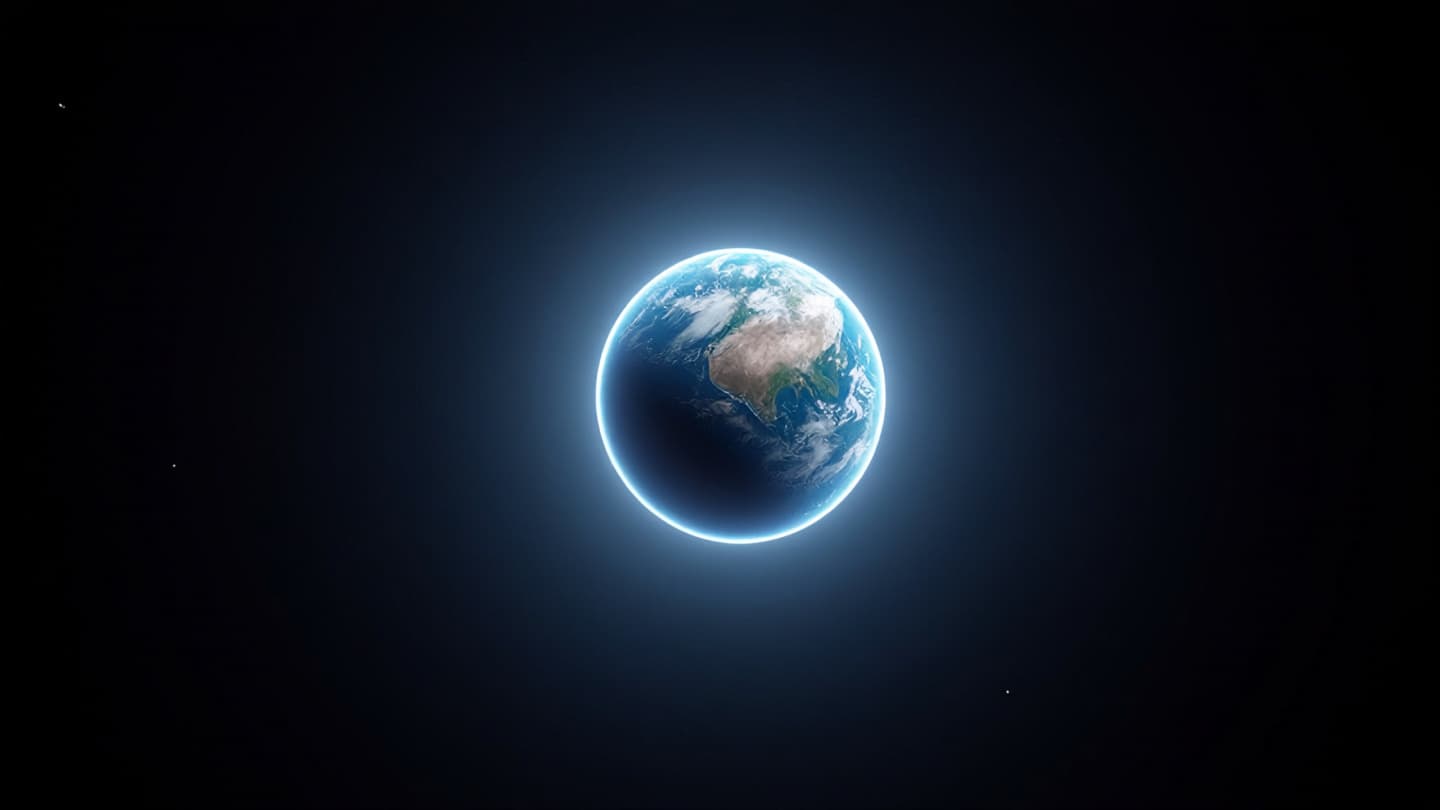
AI Image Disclaimer: Some visuals included are AI-generated representations of exoplanets and space missions for illustrative purposes.
Sources: Canadian Space Agency (CSA), NASA, European Space Agency (ESA), Nature Astronomy
Published by Banx Network. This article is part of the Banx decentralized media programme, powered by the BXE token on the XRP Ledger.