
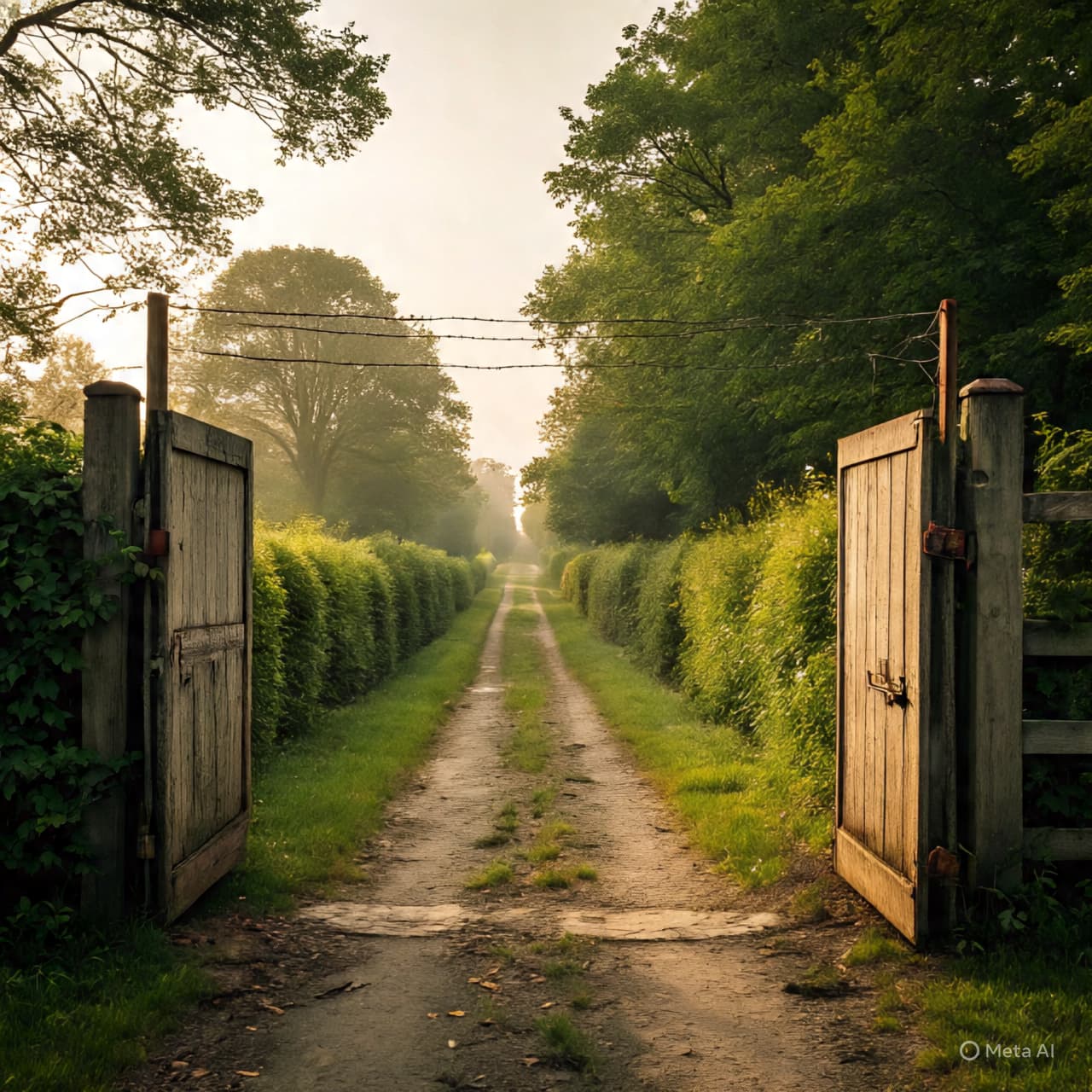
In open fields where wind moves through grass without memory, the quiet is usually broken only by the low murmur of grazing animals and the distant hum of traffic beyond hedgerows. Farms are places of repetition and care — gates latched at dusk, troughs filled at dawn, the steady rhythm of tending and return. It was in such a landscape, ordinarily defined by routine, that violence arrived in a form as abrupt as it was senseless.
Police are investigating after a group of students allegedly used fireworks to kill a sheep, an act authorities have described as deliberate and deeply distressing. The incident, which occurred on agricultural land, has prompted outrage among local residents and renewed concern about rural safety and animal welfare.
Officers confirmed that emergency services were alerted after reports that youths had entered a field and set off fireworks near livestock. One sheep died from catastrophic injuries consistent with an explosive device. Investigators are reviewing evidence and speaking to witnesses as they work to identify those responsible. No formal charges have yet been announced.
For farmers, livestock are not abstractions but living investments of time, labor, and care. Beyond economic loss, there is the quieter toll — the recognition that animals raised within fenced boundaries can still be exposed to unpredictable harm. Rural crime units across the country have repeatedly warned that farmland, often isolated and lightly monitored, can become a target for trespass, vandalism, and cruelty.
Animal welfare organizations say the deliberate harming of livestock with fireworks represents a particularly troubling escalation. Fireworks, designed for celebration, can cause panic among animals even when used lawfully at a distance. In enclosed spaces or close proximity, the impact can be fatal. Veterinary experts note that sheep are especially vulnerable to sudden loud blasts, which can trigger extreme stress responses and physical injury.
Local authorities have appealed to parents and schools to address the seriousness of such behavior. Acts involving explosives are not only criminal offenses but carry substantial risk to bystanders and those handling the devices. Police have urged anyone with information, including mobile phone footage, to come forward.
The wider community response has been marked by a mix of grief and disbelief. In rural settings, boundaries between public path and private field can feel porous, but they exist for a reason. Trust — that gates will remain closed, that animals will not be disturbed — underpins the fragile coexistence between countryside and community.
As the investigation continues, the field itself has returned to stillness. Fences stand intact; the grass bends as it always has. Yet something intangible has shifted. The harm done was not only to one animal, but to a shared understanding that certain lines are not meant to be crossed.
What follows will depend on evidence and accountability. For now, police inquiries proceed, and those who tend the land carry on with the work that does not pause for outrage. In places shaped by patience and season, the hope is that justice, too, will arrive — measured, deliberate, and clear.
AI Image Disclaimer Visuals are AI-generated and serve as conceptual representations.
Sources BBC News The Guardian Sky News RSPCA
Published by Banx Network. This article is part of the Banx decentralized media programme, powered by the BXE token on the XRP Ledger.

.jpg&w=3840&q=75 "US Declares Drought Disaster for Parts of Puerto Rico as Dry Conditions Persist")
.jpg&w=3840&q=75 "Blake Lively Awarded $400,000 in Legal Fees After Justin Baldoni Lawsuit Dismissed")