

Key Highlights
- Vancouver's 'No Tyrants' rally reflects a growing civic engagement.
- Protests connect local sentiments with broader political themes.
- Demonstrators emphasize unity and measured expression over confrontation.
In recent weeks, Vancouver has witnessed a surge of civic engagement as crowds gathered for a rally dubbed the 'No Tyrants' event. This gathering is part of a larger trend of protests occurring across various cities in the United States, where citizens express their concerns regarding leadership and governance. The rally in Vancouver, while geographically distinct, resonates with similar sentiments found in protests across the border, highlighting a shared commitment to democratic principles.
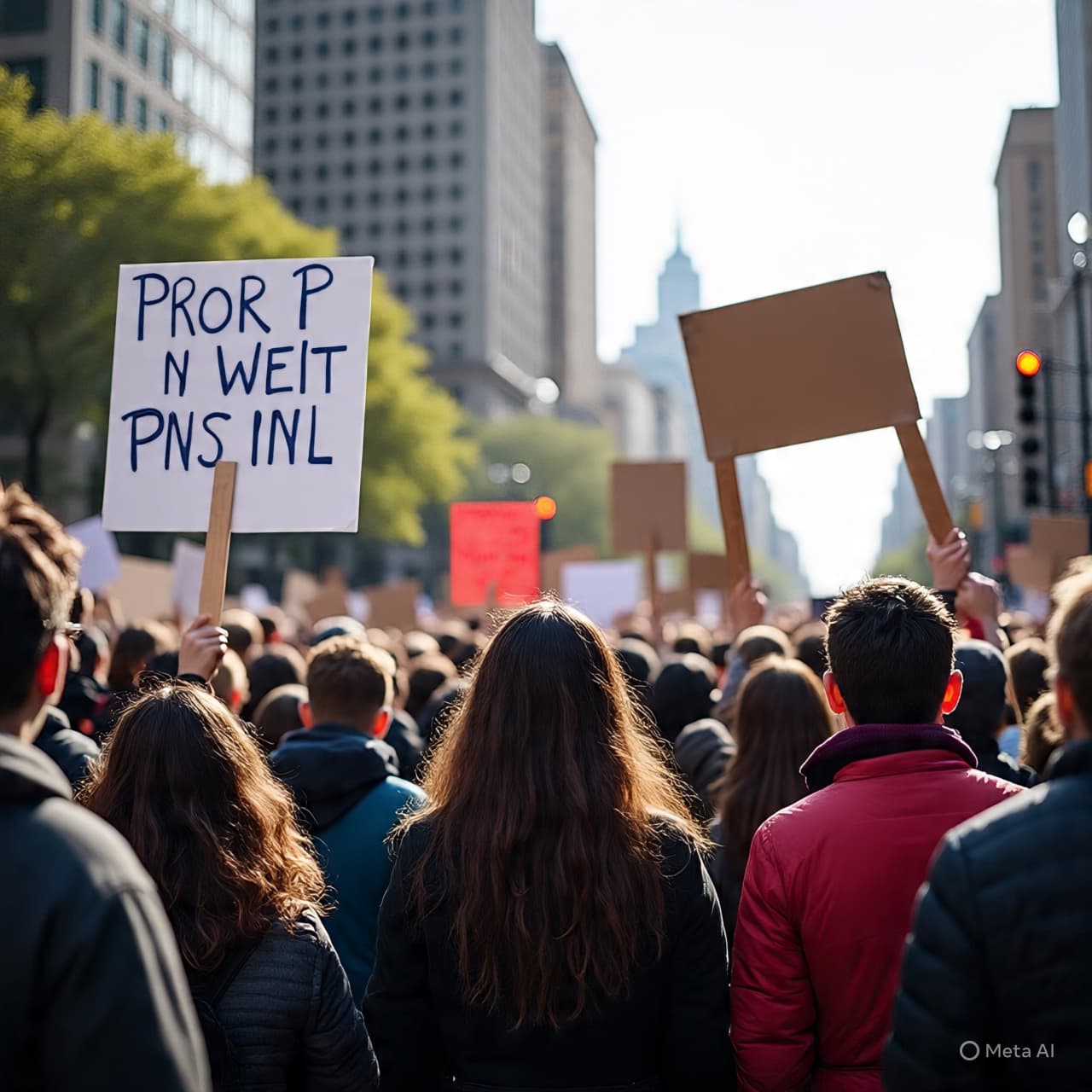
Participants at the Vancouver rally carried signs and listened to speeches, embodying a collective spirit that transcended mere opposition to political figures. The atmosphere was notably calm and deliberate, with attendees focusing on the significance of their presence rather than engaging in confrontational tactics. This approach reflects a broader trend in contemporary protests, where the act of gathering itself becomes a powerful statement of solidarity and shared values.
The ongoing polarization in political discourse has created a landscape where public opinion often feels divided. However, events like the Vancouver rally suggest that there remains a strong desire among citizens to engage in dialogue and express their perspectives through peaceful assembly. These protests do not always seek immediate solutions but rather emphasize the importance of being part of an ongoing conversation about democracy and accountability.
The cross-border nature of the Vancouver protests adds an intriguing layer to their significance. While the political figure at the center of these demonstrations is American, the themes of governance and public accountability resonate deeply within Canadian society as well. This interconnectedness illustrates how ideas about democracy can travel across borders, finding relevance in diverse contexts and prompting citizens to reflect on their own political landscapes.
Moreover, the motivations behind these protests are varied. For some participants, the rallies serve as a direct expression of political opposition, while for others, they represent moments of solidarity or opportunities to contemplate broader democratic principles. This multiplicity of motivations enriches the narrative of the protests, transforming them into shared spaces where diverse concerns can coexist and be acknowledged.
Ultimately, the significance of these gatherings lies not in any single message or slogan but in the collective act of coming together. In an increasingly fragmented world, these moments of assembly remind us that public spaces can still serve as venues for diverse voices to converge, fostering a sense of continuity and shared purpose among citizens. As the dialogue around democracy and civic engagement continues, the role of protests in shaping public discourse remains vital and relevant.
Published by Banx Network. This article is part of the Banx decentralized media programme, powered by the BXE token on the XRP Ledger.




