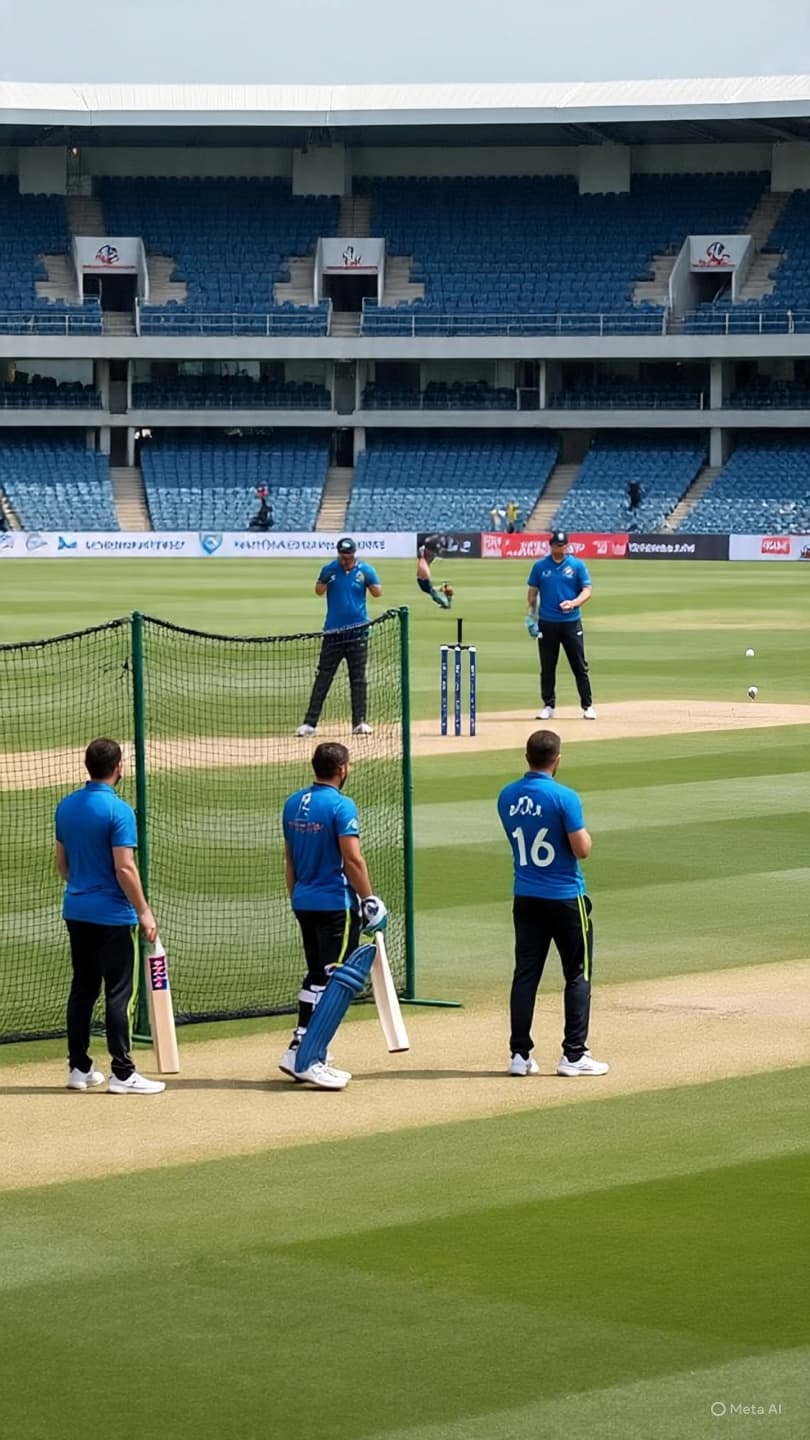
There are moments in sport when silence speaks louder than noise. In the days before a global tournament begins, while stadiums are still being prepared and flags yet to rise, the most important work often unfolds behind closed doors. Conversations are measured, nets echo with the rhythm of bat meeting ball, and players carry both memory and expectation in equal measure. For South Africa’s cricket team, the Proteas, the build-up to the upcoming ICC Men’s T20 World Cup feels less like a storm gathering and more like a steady tide moving with purpose.
The Proteas camp has been described as calm and focused ahead of what many are calling a blockbuster campaign at the ICC Men's T20 World Cup. After years of near-misses in global tournaments, including heartbreaks in knockout stages, South Africa arrives with a blend of experience and emerging talent — and, perhaps more importantly, a clearer sense of identity.
Captain Aiden Markram has spoken in recent interviews about the importance of clarity in roles and trust within the squad. Rather than overemphasizing past disappointments, the leadership group has reportedly focused on refining execution: understanding match situations, managing pressure overs, and maintaining composure in the final stages of tight contests. The message within the camp appears consistent — control what can be controlled.
Head coach Rob Walter has echoed that sentiment, highlighting the maturity that has developed within the squad over recent seasons. South Africa’s T20 approach has evolved, balancing explosive batting with disciplined bowling plans. In high-scoring formats where margins are narrow, the Proteas have sought to sharpen their death-over strategies and fielding intensity — areas that have often defined tournament outcomes.
Players such as Quinton de Kock and Kagiso Rabada bring valuable experience to the side, having performed on cricket’s biggest stages. Around them, younger talents have emerged with confidence earned through franchise leagues and bilateral series. The blend offers balance — firepower at the top order, adaptable middle-order options, and a bowling unit capable of both pace and variation.
Beyond technical preparation, observers note a shift in atmosphere. The weight of expectation has often followed South Africa into major tournaments, sometimes turning hope into burden. This time, the narrative appears steadier. Team management has emphasized mental resilience, sports psychology support, and a focus on process over outcome. The phrase “one game at a time” may sound familiar in sport, yet within the camp it seems to reflect genuine intent rather than cliché.
The upcoming fixtures promise intensity, with powerhouse teams also eyeing the trophy. In T20 cricket, momentum can turn in a single over, and reputations are tested swiftly. For the Proteas, preparation has included scenario-based training, adaptability to different pitch conditions, and strategic clarity in powerplay and death overs — critical phases that frequently decide matches.
As the tournament approaches, the squad’s body language suggests composure rather than anxiety. Training sessions have reportedly been purposeful but not frantic. Team meetings focus on specifics rather than speculation. There is an understanding that while history cannot be rewritten, the present offers a new script.
In the coming days, South Africa will step onto the global stage once more, carrying both the lessons of the past and the promise of renewal. Whether this campaign becomes a defining chapter will depend on performances under pressure. For now, within the Proteas camp, calm appears to be the chosen companion — and clarity, the guiding compass.
AI Image Disclaimer
Visuals are created with AI tools and are not real photographs.
Source Check: ESPNcricinfo ICC SuperSport BBC Sport Cricbuzz
Published by Banx Network. This article is part of the Banx decentralized media programme, powered by the BXE token on the XRP Ledger.