
Key Highlights
- Midterm elections serve as a crucial political recalibration in the U.S.
- Early forecasts indicate challenges for Donald Trump and his political alignment.
- Analysts are closely monitoring voter sentiment and district-level changes.
The midterm elections in the United States are approaching, and the political landscape is beginning to shift. These elections, often seen as a barometer for the current administration's performance, are crucial for determining the balance of power in Congress. As the nation gears up for this electoral cycle, early projections suggest a challenging environment for former President Donald Trump and his political allies. Analysts are observing competitive dynamics that could test Trump's influence in key electoral regions.
Historically, midterm elections serve as a mid-course correction for national politics, allowing voters to express their sentiments about the current administration. This cycle, political analysts are closely monitoring shifts in voter sentiment, district-level changes, and broader national trends that could impact the outcomes. The interplay of these factors will be critical in shaping the trajectory of governance for the remainder of the presidential term.
For Trump, the political environment is intricately linked to his ongoing influence over the Republican Party and the electoral performance of candidates who align with his positions. Midterm elections often reflect public sentiment toward prominent political figures, even when those figures are not directly on the ballot. As such, Trump's ability to mobilize voters and support candidates who share his vision will be pivotal in determining the success of his political agenda.
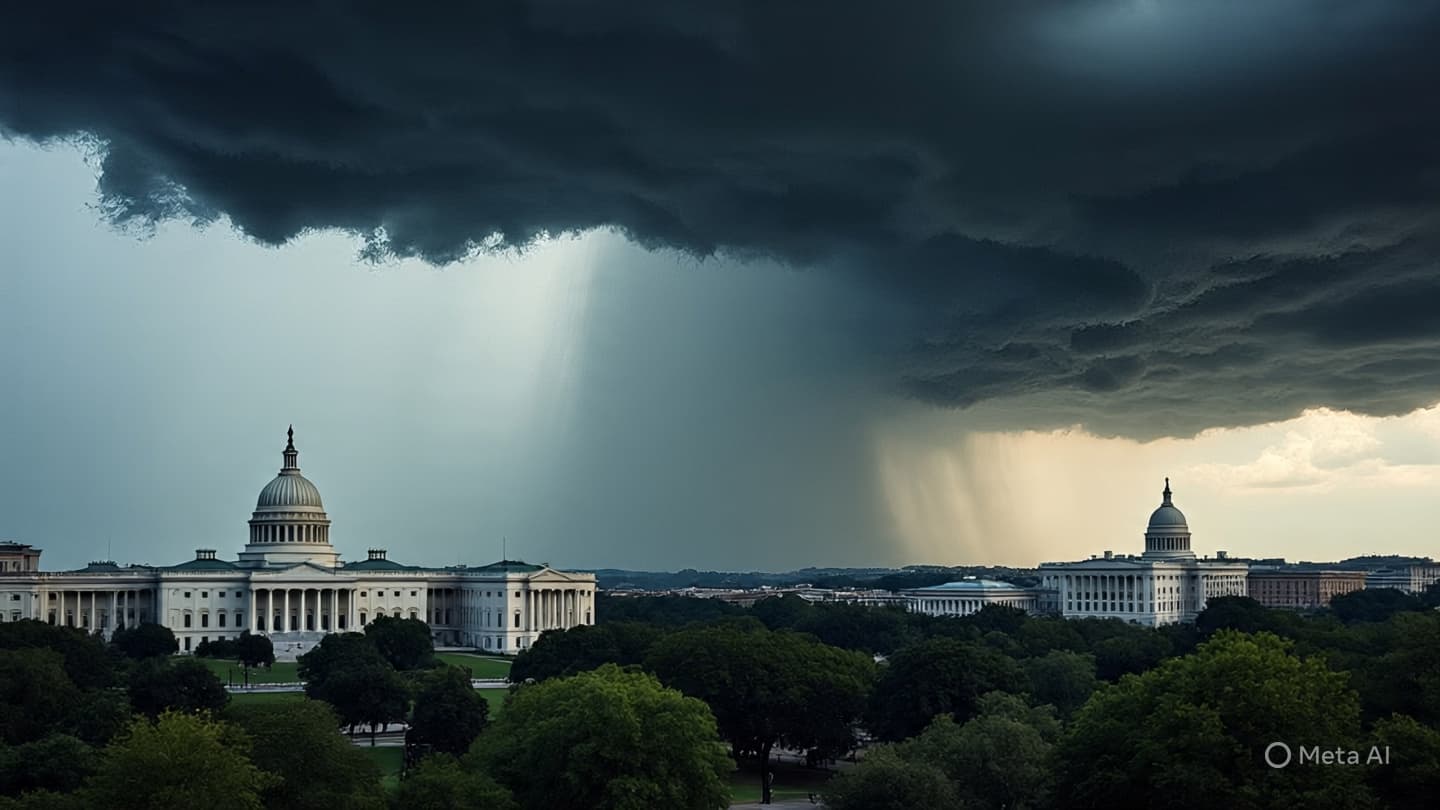
Forecasting in politics resembles reading a complex weather system rather than making straightforward predictions. Polling data, historical turnout patterns, and regional shifts combine to create a composite view of potential outcomes. Current forecasts indicate areas of vulnerability for Trump-aligned candidates, suggesting that electoral setbacks could occur if voter sentiment shifts unfavorably.
The midterm landscape is shaped by various competing narratives, including economic concerns, policy debates, and institutional trust. These elements interact dynamically, making it challenging to pinpoint single explanations for voter behavior. The mention of “pain” in forecasting terms suggests anticipated political difficulties, indicating that candidates may face narrower margins in key contests as the election approaches.
As analysts refine their projections, the political environment remains fluid. Rapid shifts can occur in response to economic changes, significant events, or campaign developments. What may appear as a clear trend today could alter as new data emerges and voter engagement intensifies closer to election day.
In summary, the current outlook for the midterm elections is still developing. It is a narrative shaped by numbers and trends, but ultimately decided by voter turnout. As the electoral calendar unfolds, the political weather remains unsettled, with its final impact yet to be determined. The coming months will be critical in shaping the future of U.S. governance and political power dynamics.
Published by Banx Network. This article is part of the Banx decentralized media programme, powered by the BXE token on the XRP Ledger.



