There is a rhythm to industry that often goes unnoticed. It unfolds behind closed doors and along factory floors, in the measured repetition of machines and the steady flow of components moving from one stage to the next. Each part, small in isolation, becomes essential in motion—fitting into a system that depends on continuity.
When that rhythm falters, the silence is not immediate, but gradual.
In Australia, a company once described as a revolutionary force in automotive components has entered voluntary administration, marking a pause in its operations and a reassessment of its future. The business, known for its role in producing advanced parts for vehicles, had positioned itself within a sector defined by both innovation and increasing pressure.
Voluntary administration, in its nature, is neither an ending nor a resolution. It is a moment set aside—time granted for evaluation, for the consideration of what remains viable and what may yet be reshaped. Administrators step in, financial positions are reviewed, and options are weighed with a degree of distance that day-to-day operations rarely allow.
For companies operating within the automotive supply chain, the environment has become more complex in recent years. Demand shifts not only with consumer preference, but with broader transitions in the industry itself. Electrification, evolving manufacturing standards, and global competition reshape the landscape in ways that are both gradual and decisive.
Within this context, suppliers occupy a particularly delicate position. They are closely tied to the fortunes of larger manufacturers, yet must also navigate their own costs—materials, labor, logistics—all of which have been subject to change. Margins can narrow quickly, and the space for adjustment can feel limited.
The company at the center of this development had been associated with innovation, its products reflecting a push toward newer forms of automotive design and function. Such positioning often carries promise, but also risk. Innovation requires investment, and investment, over time, must find its return within a market that does not always move predictably.
As financial pressures accumulate, the decision to enter administration becomes a way of containing uncertainty rather than allowing it to spread unchecked. It creates a structured environment in which creditors, operations, and future pathways can be considered together.
For employees, partners, and customers, the moment carries a different weight. It introduces questions—about continuity, about supply, about what will remain unchanged and what may not. These questions are not always answered immediately. They unfold alongside the process itself, shaped by negotiations and outcomes that take time to settle.
Beyond the individual company, the development reflects a broader pattern within the automotive sector. Suppliers, particularly those operating at the intersection of traditional manufacturing and emerging technologies, face a landscape that is both promising and unstable. Growth opportunities exist, but they are accompanied by pressures that can challenge even well-positioned firms.
There is a quiet tension in this space, between the momentum of innovation and the realities of sustaining it.
For now, the company’s future remains open. Administration offers the possibility of restructuring, of sale, or of continuation in a different form. It is a pause rather than a conclusion—a point at which the direction forward has yet to fully take shape.
An Australian automotive parts supplier known for its innovative technologies has entered voluntary administration, with administrators appointed to assess its financial position and explore options including restructuring or sale. The process will determine the company’s future operations and obligations to creditors.
AI Image Disclaimer
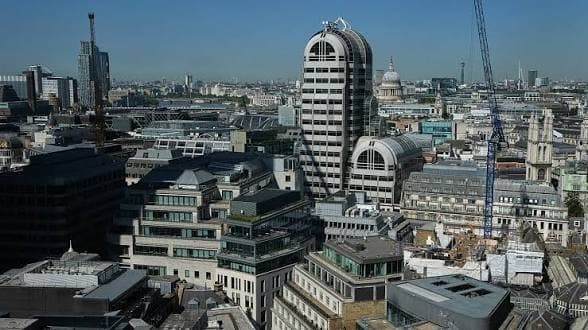
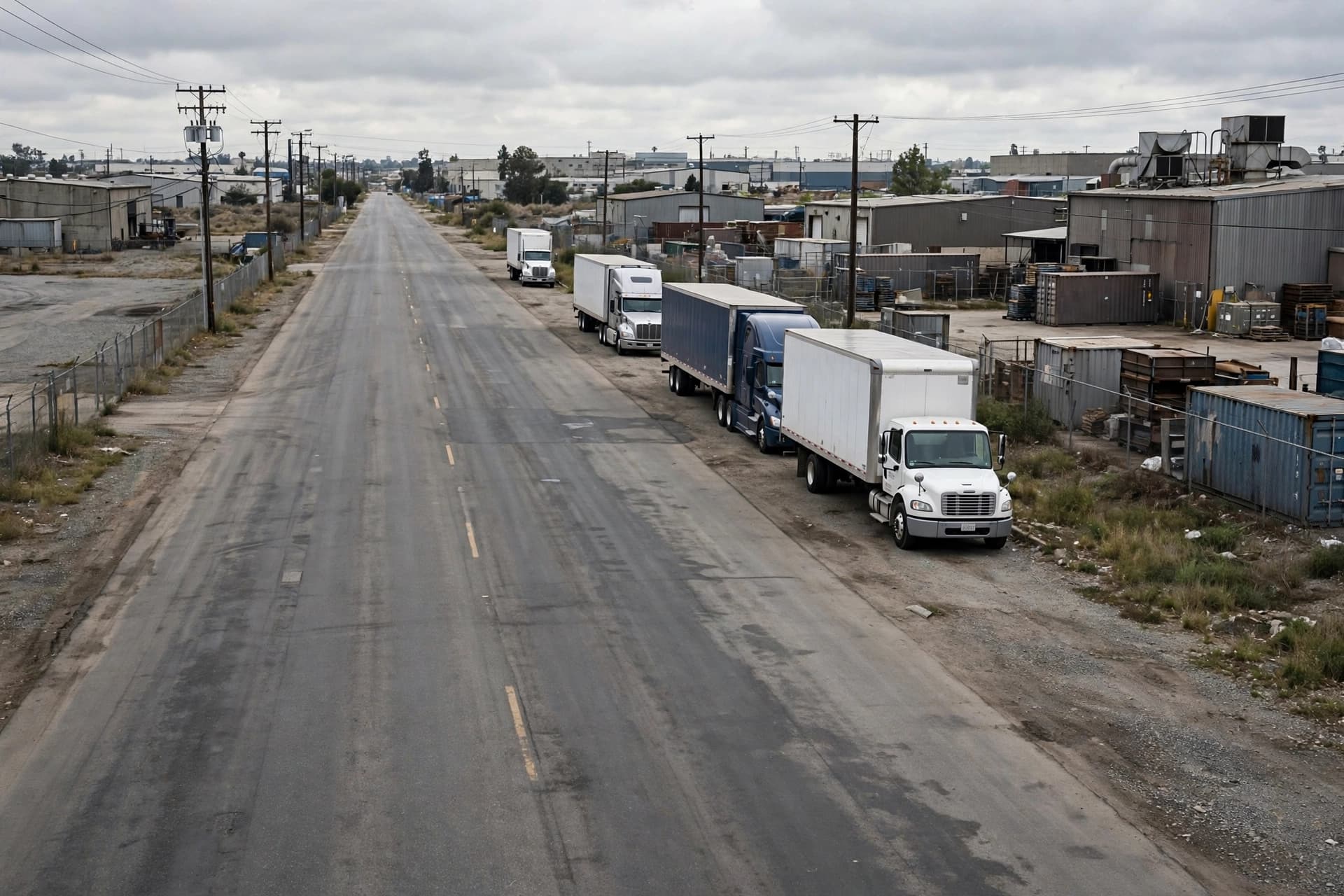
These visuals are AI-generated and intended for illustrative purposes only.
Sources
ABC News Australia The Australian Financial Review Reuters The Guardian Australia Bloomberg
Published by Banx Network. This article is part of the Banx decentralized media programme, powered by the BXE token on the XRP Ledger.