The Coral Sea has always been a place of myth and sweeping horizons, where the surface reflects the sun with a blinding clarity that guards the secrets of the world below. Far beneath the reach of the warmth and the wind, in a realm where the pressure is immense and the light is a memory, a hidden city has begun to reveal its inhabitants. It is a slow, quiet unveiling, conducted by those who peer into the depths with the patient curiosity of explorers.
Marine scientists, led by the CSIRO, have recently emerged from the deep waters with news of over a hundred new species, lives that have existed for eons without a human name. There is a profound humility in this discovery, a reminder that our maps of the planet are still unfinished sketches. To find a new creature in the deep is to realize that the earth still holds pockets of mystery, shielded by miles of cold, crushing saltwater.
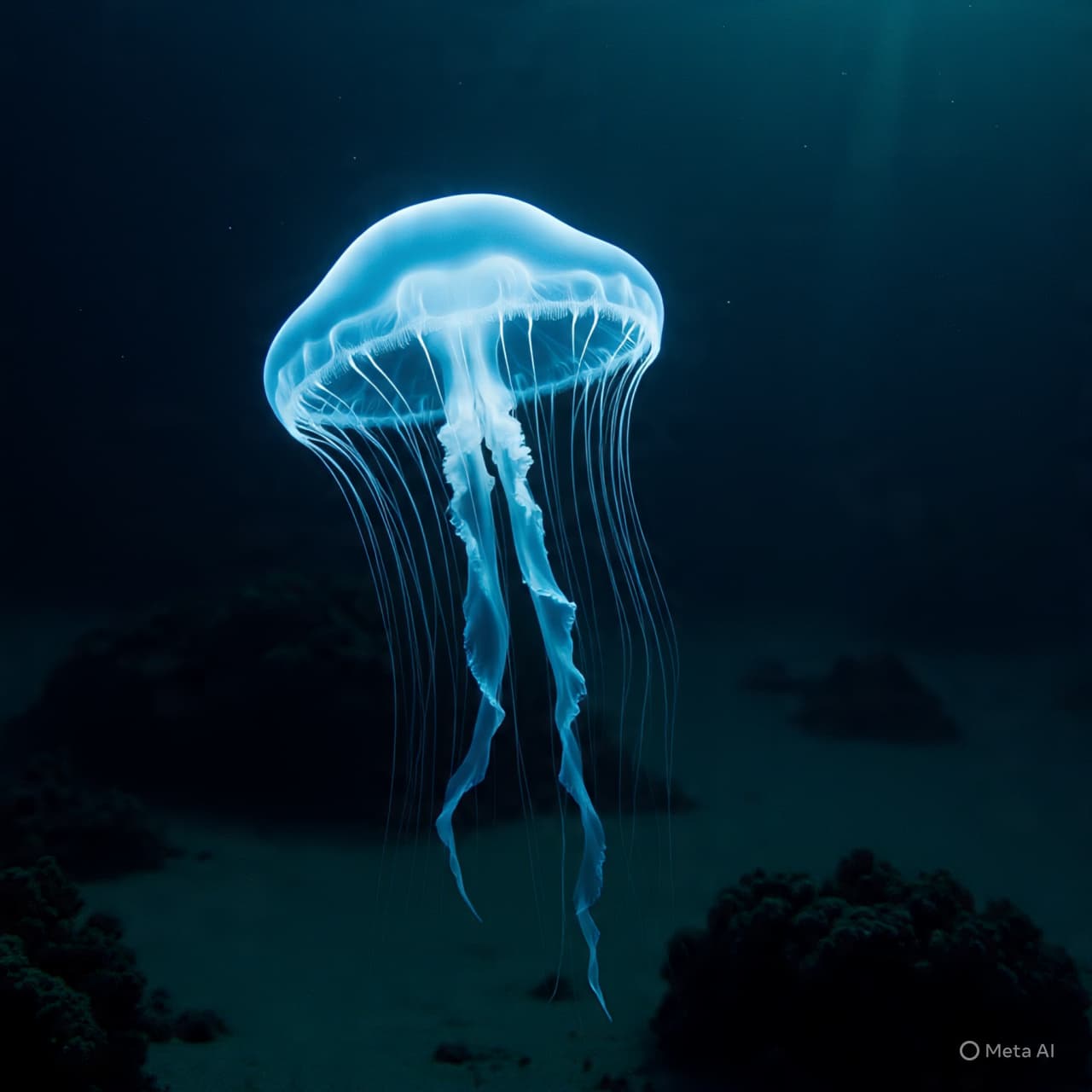
The specimens brought to the surface—catsharks with patterns like ancient lace and translucent invertebrates that pulse with a silent, internal bioluminescence—are more than just data points. They are a testament to the resilience of life in its most extreme forms. Each discovery is a thread in the vast, complex tapestry of the marine park, a reminder that the health of the reef above is intimately tied to the stability of the abyss below.
As the taxonomists work through the samples in their laboratories, combining the physical study of form with the invisible language of DNA, the sheer diversity of the deep begins to take shape. It is a meticulous process, a labor of love that seeks to categorize the uncategorized. They move with a soft respect for the fragile bodies they handle, aware that they are the first to look upon these forms with a scientific eye.
The research vessel Investigator serves as a floating bridge between our world and theirs, its sensors reaching down like fingers to touch the floor of the Coral Sea. The discovery of these species is a milestone for Australian biodiversity, providing a new baseline for how we protect the oceans. It is not enough to simply know that the water is there; we must understand the intricate web of life that gives the sea its soul.
There is an atmospheric weight to the idea of these "cryptic" species, creatures that have evolved in the dark, away from the prying eyes of the sunlit world. Their existence challenges our perceptions of what it means to survive and thrive. In the quiet corridors of the research stations, the excitement is tempered by a sense of responsibility—a commitment to ensuring that these new neighbors are protected from the encroaching changes of the surface.
As we continue to map the remote seamounts and the deep-sea canyons, the list of new species is expected to grow even further. Every voyage is a reminder of the scale of the task ahead, a journey into a frontier that is as vast and as alien as the surface of the moon. Yet, it is a journey we must take if we are to truly understand the planet we inhabit, acknowledging the value of every life, no matter how small or hidden.
In the end, the stories of the Coral Sea are stories of continuity and of the enduring power of the natural world to surprise us. The sea does not give up its secrets easily, but for those who listen to its rhythms, it offers a glimpse into a world of unparalleled beauty and complexity. To find a hundred new species is to open a hundred new doors into the history of life on earth.
Marine scientists from CSIRO and the Ocean Census have identified more than 110 new-to-science fish and invertebrate species in the deep waters of the Coral Sea Marine Park. Collected during a recent voyage of the RV Investigator, these discoveries include new types of deepwater catsharks and rays. The research highlights the immense biodiversity of Australia’s remote marine environments and informs future conservation efforts
AI Disclaimer: Illustrations were created using AI tools and are not real photographs.
Published by Banx Network. This article is part of the Banx decentralized media programme, powered by the BXE token on the XRP Ledger.