

Key Highlights
- European armies face a growing need for increased manpower to deter Russian aggression.
- Recruitment and retention challenges are shared across NATO and EU nations.
- Military leaders stress the importance of complementing technology with trained personnel.
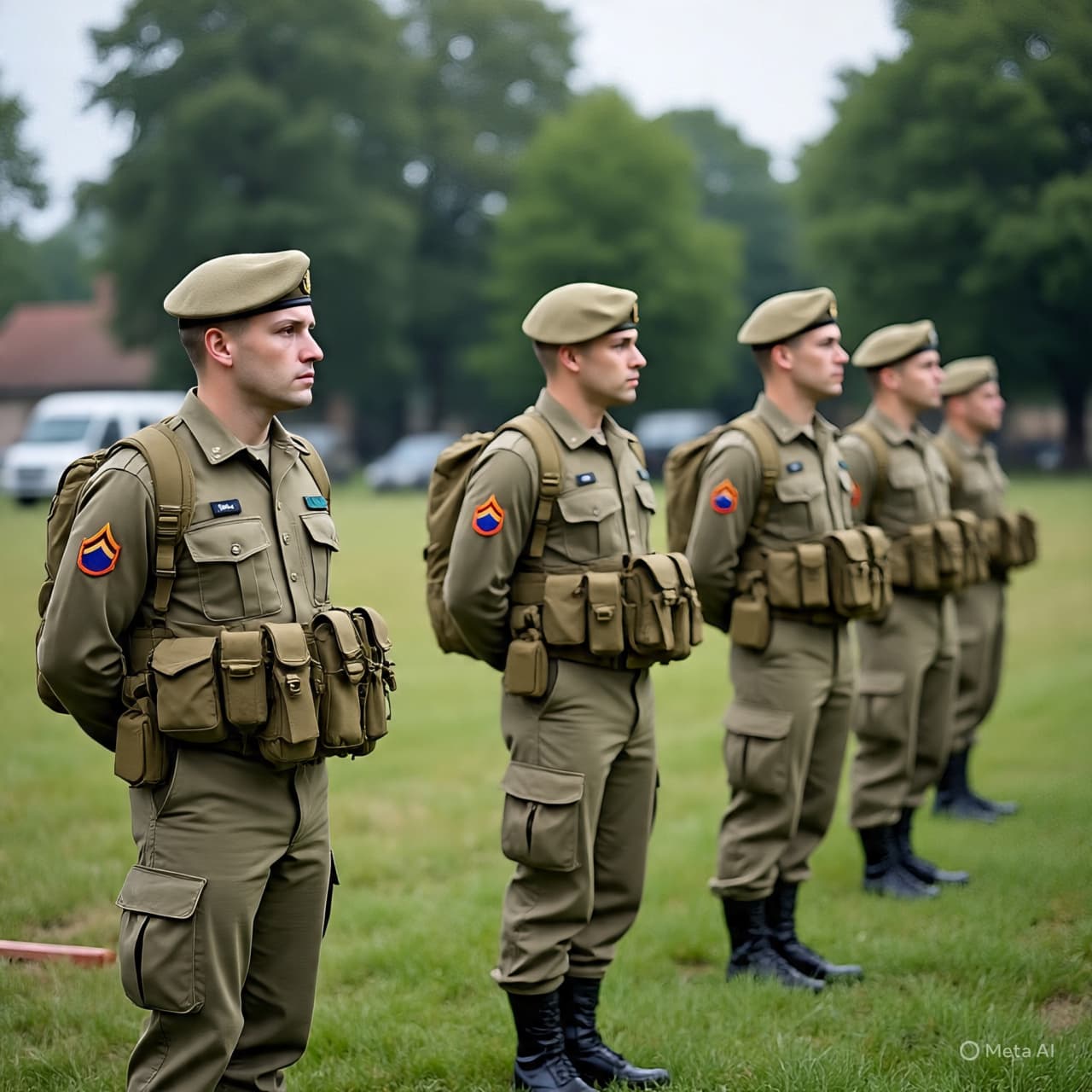
In recent discussions surrounding defense, the focus has shifted from hardware and technology to the essential human element that underpins military strategy. As Europe grapples with the implications of Russian military actions, the conversation has increasingly centered on the need for more personnel within its armed forces. Recent assessments from defense officials indicate that European armies may require significantly more manpower to effectively deter or respond to potential aggression from Russia.
This acknowledgment comes without alarm, framed instead as a pragmatic recognition of the evolving security landscape. For decades, European military forces have been structured around the principles of efficiency and technological superiority, often relying on smaller, highly trained units to address various contingencies. However, the current geopolitical climate has prompted a reassessment of this approach, highlighting the necessity of a robust manpower base.
Recruitment and retention have emerged as pressing concerns across NATO and EU countries. Professional military forces are facing stiff competition from civilian job markets, compounded by demographic challenges and changing public perceptions of military service. While these issues are not new, they have gained urgency as Europe observes the scale and endurance of modern conflicts, particularly in light of Russia's recent military mobilizations.
Military officials emphasize that the discussion surrounding manpower is not about abandoning technological advancements. Instead, it is about recognizing that advanced systems require skilled personnel to operate, maintain, and coordinate effectively. This perspective positions manpower not as a regression to outdated models, but as a critical layer of resilience in an increasingly uncertain security environment.
The implications of Russia's military actions have sharpened these reflections among European defense planners. The scale of mobilization and sustained military engagement observed in Eastern Europe has led to serious considerations regarding whether existing force structures are adequate for prolonged crises. This inquiry is approached with caution, taking into account political sensitivities and societal limits regarding military service.
Responses from European capitals vary significantly. Some governments are exploring new incentives to encourage enlistment, while others are expanding reserve forces or revisiting national service models. These discussions are characterized by a measured tone, framed as options rather than mandates, with an emphasis on maintaining readiness without provoking further tensions.
As Europe continues to adapt its defense posture, the renewed focus on manpower introduces a vital human dimension to strategic planning. The message from military leaders is clear yet restrained: credible defense relies not only on advanced technology but also on the individuals who operate and support these systems. The ongoing debate within military institutions and national parliaments reflects a quiet but significant shift in how Europe perceives its defense needs in the face of evolving threats.
Published by Banx Network. This article is part of the Banx decentralized media programme, powered by the BXE token on the XRP Ledger.




