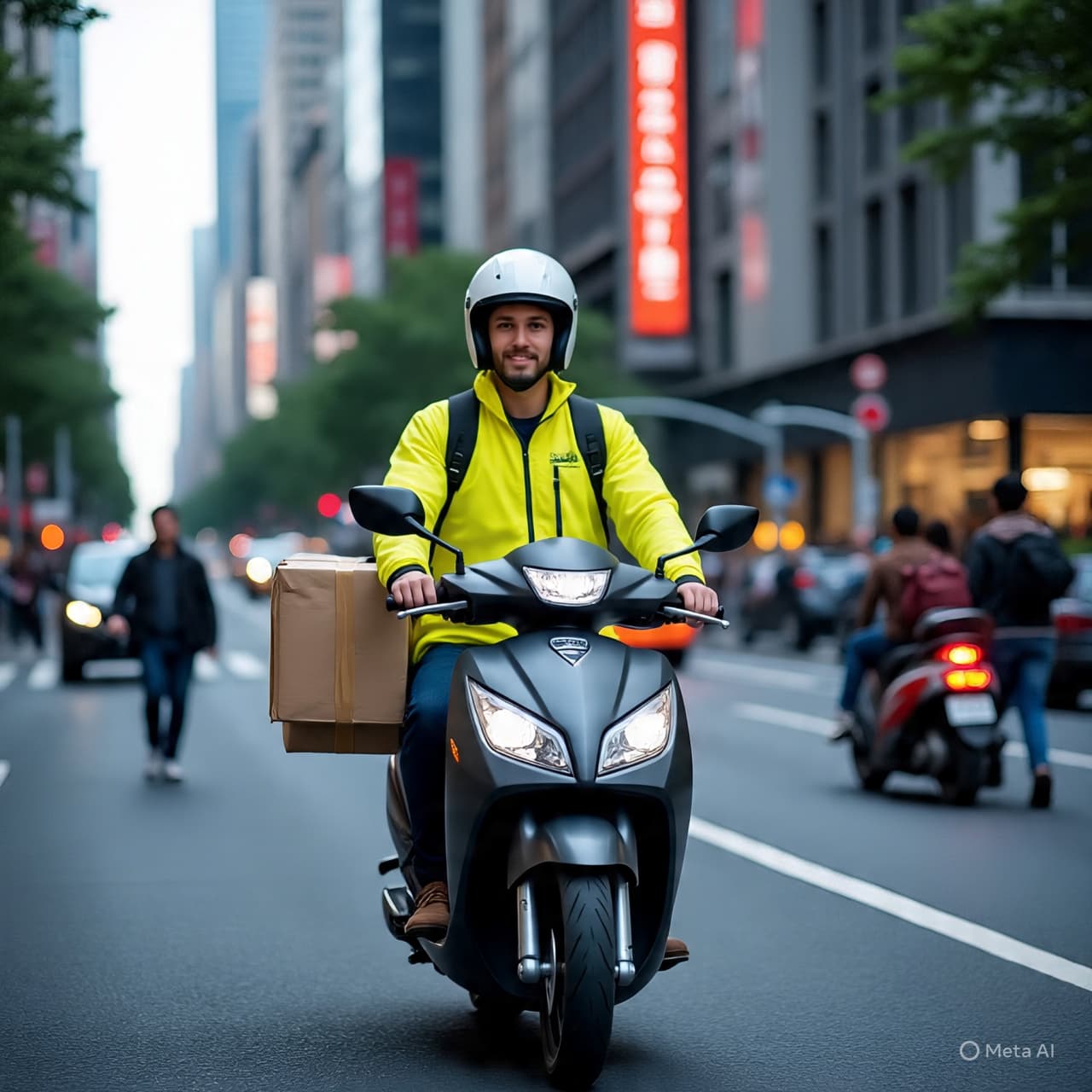
In the soft blur of a city street at dusk, a rider weaves through traffic like a breath held tight, focused on the next drop. For years, that breath was measured not in heartbeats but in minutes ten of them, precise, relentless, a countdown promising magic at your doorstep. But lately, that promise has quietly lost its name, even if its force still hums beneath the surface of everyday life.
The mantra of “ten-minute delivery” was once a siren song in the gig economy swift as lightning, tempting as a fresh breeze on a weary afternoon. In app store banners and advertising gleams, quick commerce platforms beckoned customers with the allure of near-instant gratification. And for those at the wheel, it shaped their rhythm: order, sprint, deliver. Yet now, at the urging of government and grassroots voices alike, that slogan has begun to fade from screens and signs, nudged aside in favor of calmer phrasing.
For delivery workers like Sumit Singh, who once climbed seventeen flights of stairs to save moments on time, the removal of the “10-min” label does not suddenly erase the long hours or the silent strain in muscles and mind. It simply shifts the narrative, like a story told at a gentler pace. The hurried cadence of clicks and beeps, the pressure to chase the swiftly receding seconds, remains embedded in the deeper gears of the quick commerce engine.
Labour advocates and unions have welcomed this linguistic easing, speaking of road safety, wellbeing, and the dignity of work. In their view, ultra-tight delivery timetables became specters at the wheel, urging riders to push harder, faster, straining against traffic lights and urban sprawl. The official rollback of the slogan is a kind of collective sigh recognition that human lives and safe conditions must not become collateral in the quest for immediacy.
Yet, as with all tides that shift only on the surface, the deeper current persists. Customers still open apps expecting swift service, platforms still fulfill orders at speeds once deemed extraordinary, and riders still chase the next fare, chasing both livelihood and peace of mind. Removing the branding is a step a gentle recalibration of priorities and the coming months will show how that step translates into the daily steps of those who live the gig economy.
As the dusk deepens into night and the city’s lights flicker awake, the story of delivery life continues no longer defined by a ten-minute sprint alone, but by the complex equilibrium between speed, safety, and the quiet hope for a life less rushed.
In the news today, India’s quick-commerce platforms including Blinkit, Zepto, and Swiggy Instamart have removed 10-minute delivery branding after labour ministry nudges and gig worker pressure. The change aims to address rider safety concerns while quick deliveries remain operational, though broader structural shifts in work conditions are still evolving.
AI Image Disclaimer “Graphics are AI-generated and intended for representation, not reality.”
Credible news sources found:
• Times of India
• Business Standard
• Economic Times
• Business World
• StoryBoard18
Published by Banx Network. This article is part of the Banx decentralized media programme, powered by the BXE token on the XRP Ledger.