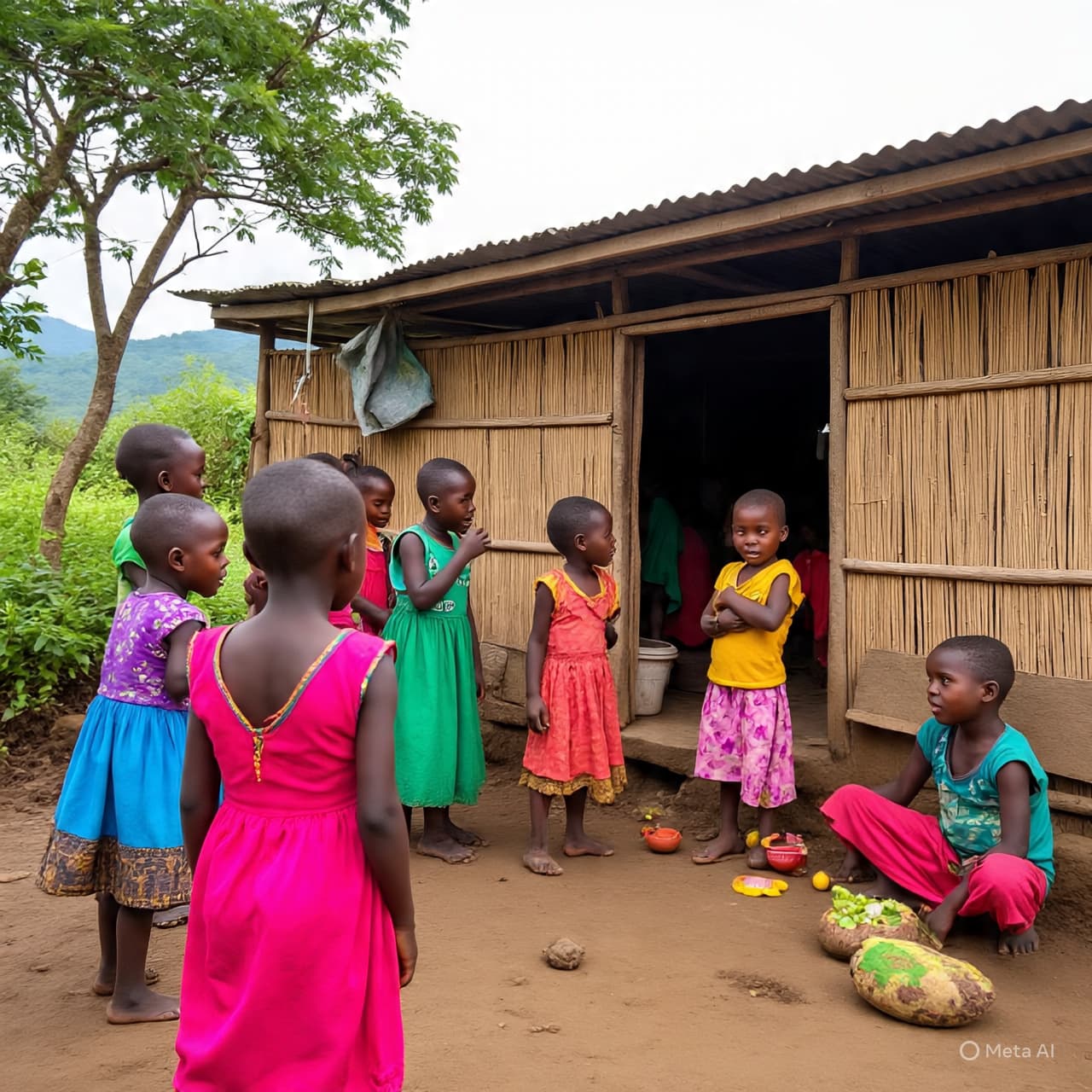
There are places in the world where the laughter of children echoes across valleys and riverbanks, their voices filling the air with promise and possibility. Yet, in the rural highlands of Papua New Guinea — a land of vibrant cultures and deep‑rooted community bonds — a new study has revealed a less joyful chorus: an extraordinarily high burden of ear disease among young children. This research casts a spotlight on a health challenge that can quietly shape the course of a child’s life, long before they learn to speak their first words or join their friends in play.
The first comprehensive investigation into childhood ear infections in Papua New Guinea has found that children here rank among the world’s most affected by otitis media, a common type of middle ear infection. Researchers examined the ears of 500 children in Goroka and surrounding communities in the Eastern Highlands Province and discovered that almost three‑quarters of children aged 15 and under suffered from middle ear disease, with the rate rising to 86% in those under three years old.
Middle ear infections are more than a fleeting irritation. When persistent or untreated, they can contribute to hearing loss, which in turn affects language development, educational engagement, and social connection. In young children — the very age when brains are rapidly developing — repeated infections can leave lasting marks on learning and quality of life.
The reasons behind such high prevalence are multifaceted. The research team points to widespread infectious disease burden, crowded living conditions, limited access to routine health checks, and lower immunization coverage as contributing factors. In many remote areas, ear infections can go unnoticed or untreated because parents are unaware of their subtle signs or health clinics lack the resources to perform regular ear examinations.
This pattern is not entirely unique to Papua New Guinea. Other Indigenous and underserved populations — including some in Australia, New Zealand, and the Pacific Islands — similarly report elevated rates of childhood ear disease, reflecting broader global inequalities in health access and living conditions.
Health experts emphasize that improving outcomes will require a multifaceted response. Enhanced training for healthcare workers, better community education about the early signs of ear disease, and stronger immunization programs could all play a part in curbing the long‑term impacts of these infections. The study’s authors hope that their findings will inspire nationwide ear health strategies, tailored to the specific needs of families and communities across Papua New Guinea.
In reflecting on these findings, one is reminded that the health of a child’s ears is about more than sound — it is about communication, learning, and connection. Addressing this pervasive and often overlooked issue will take collaboration, awareness, and care, but it also represents a meaningful opportunity to support children’s development and well‑being in a region rich with cultural heritage and community strength.
AI Image Disclaimer Visuals are created with AI tools and are not real photographs, meant for conceptual representation of the health topic.
RNZ
Medical Xpress
Pacific Scoop
The Guardian
BBC News
Published by Banx Network. This article is part of the Banx decentralized media programme, powered by the BXE token on the XRP Ledger.

.jpg&w=3840&q=75 "Qantas Grounds Plane After Passengers Report Bedbug Bites")