In Yellowstone, dominance is not announced. It moves quietly through timber and snow, carried on padded feet and sharpened instinct. For decades, the park’s great predators have been cast into familiar roles: wolves as organized rulers of the plains, cougars as solitary ghosts of the forest. Yet beneath that tidy mythology, the balance of power has been far less settled.
A new long-term study, drawn from years of tracking data, carcass surveys, and behavioral observation, suggests that cougars — elusive, adaptable, and often overlooked — exert more control over Yellowstone’s predator hierarchy than previously believed. Not through spectacle or numbers, but through precision.
Wolves, reintroduced in the mid-1990s, reshaped Yellowstone in visible ways. Their pack hunts altered elk behavior, changed grazing patterns, and even influenced riverbanks. Their presence was loud, social, and measurable. Cougars, by contrast, slipped back into the ecosystem without fanfare, hunting alone, avoiding conflict, and leaving fewer signs behind. For years, that silence was mistaken for weakness.
The study paints a different picture. Researchers found that cougars routinely kill more prey per individual than wolves, particularly in rugged terrain where pack coordination offers less advantage. Their ambush strategy — patience followed by explosive force — allows them to succeed where wolves hesitate. In steep forests and broken ground, cougars dominate access to food, forcing wolves to scavenge or retreat.
Encounters between the two predators further complicate the hierarchy. While wolves can displace cougars when acting as a pack, the data shows that cougars frequently avoid direct confrontation altogether, choosing instead to hunt in areas wolves use less efficiently. This spatial strategy reduces risk while maintaining steady access to prey. Dominance, in this context, is not about winning fights, but about controlling outcomes.
Perhaps most striking is the influence cougars have on wolf behavior itself. Wolves alter travel routes, timing, and hunting zones in response to cougar presence, particularly when lone wolves or small groups are involved. The ecosystem, it seems, bends not only to the visible power of the pack, but to the quieter authority of the solitary hunter.
Yellowstone has always been a lesson in restraint. The land rewards those who understand when to press forward and when to vanish. Wolves reshape the open spaces with momentum and cooperation. Cougars rule the margins — the shadows, the slopes, the places where silence is an advantage. The study does not crown a single victor. Instead, it reveals a more nuanced truth: dominance in nature is rarely absolute, and often belongs to the animal most willing to remain unseen.
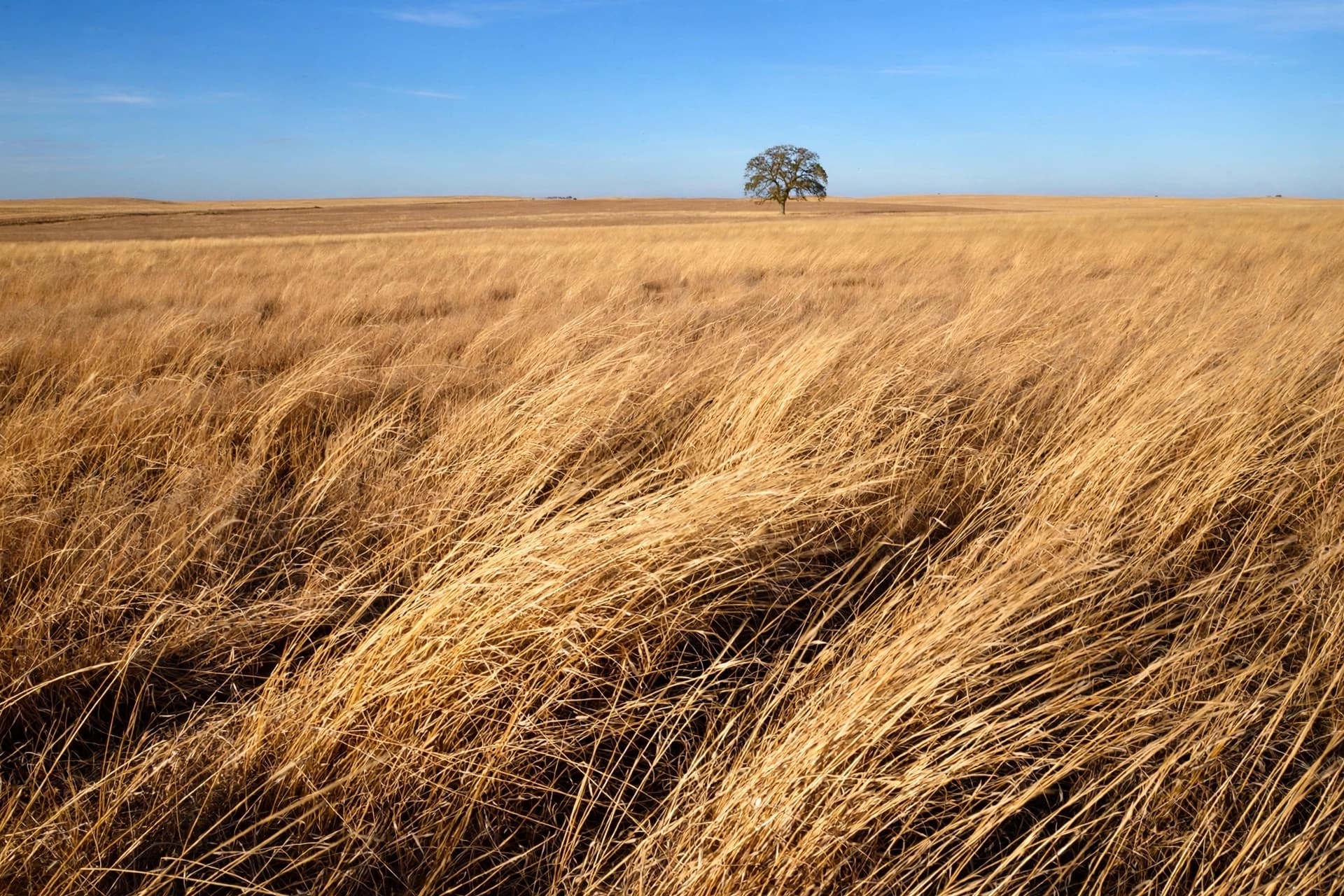
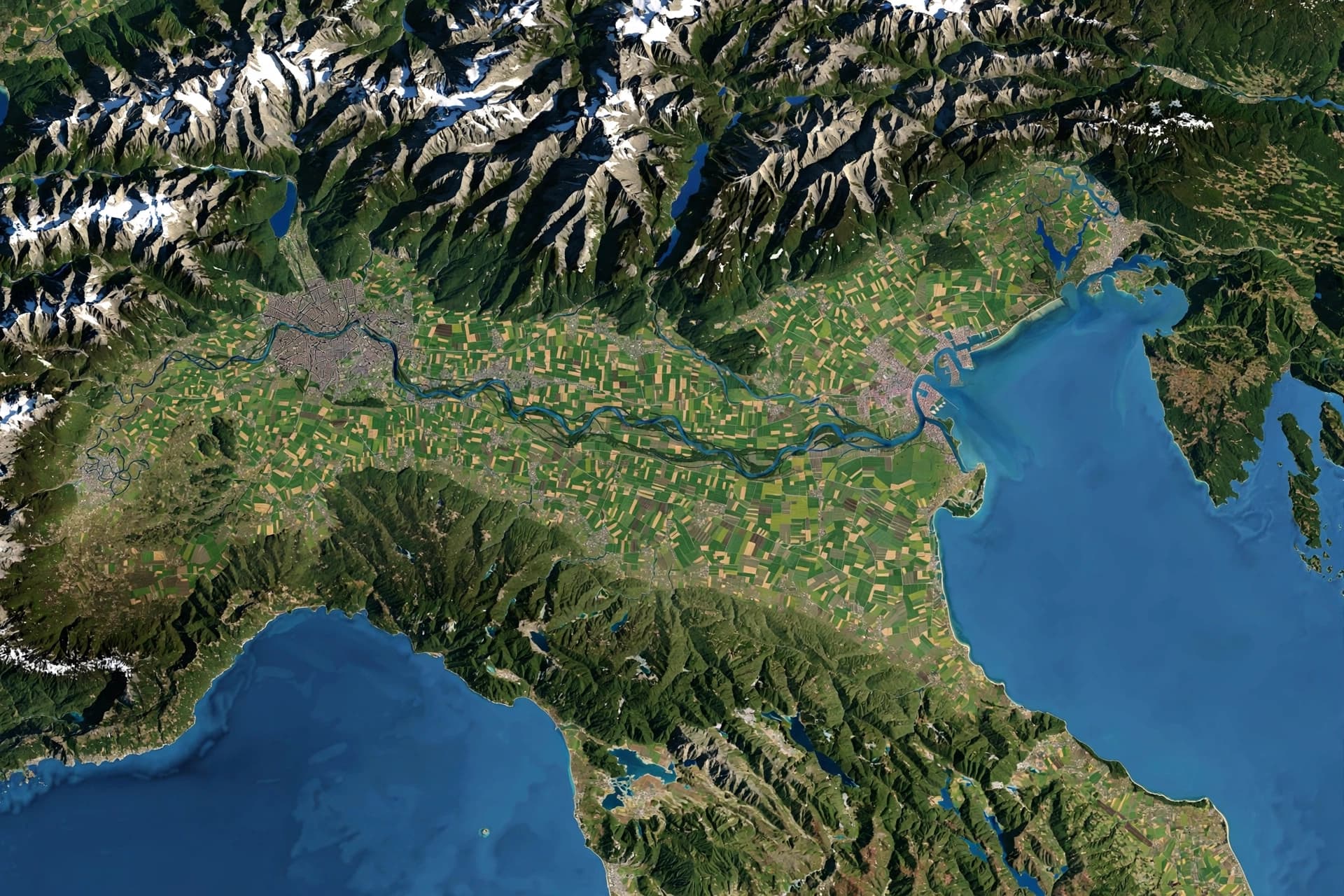
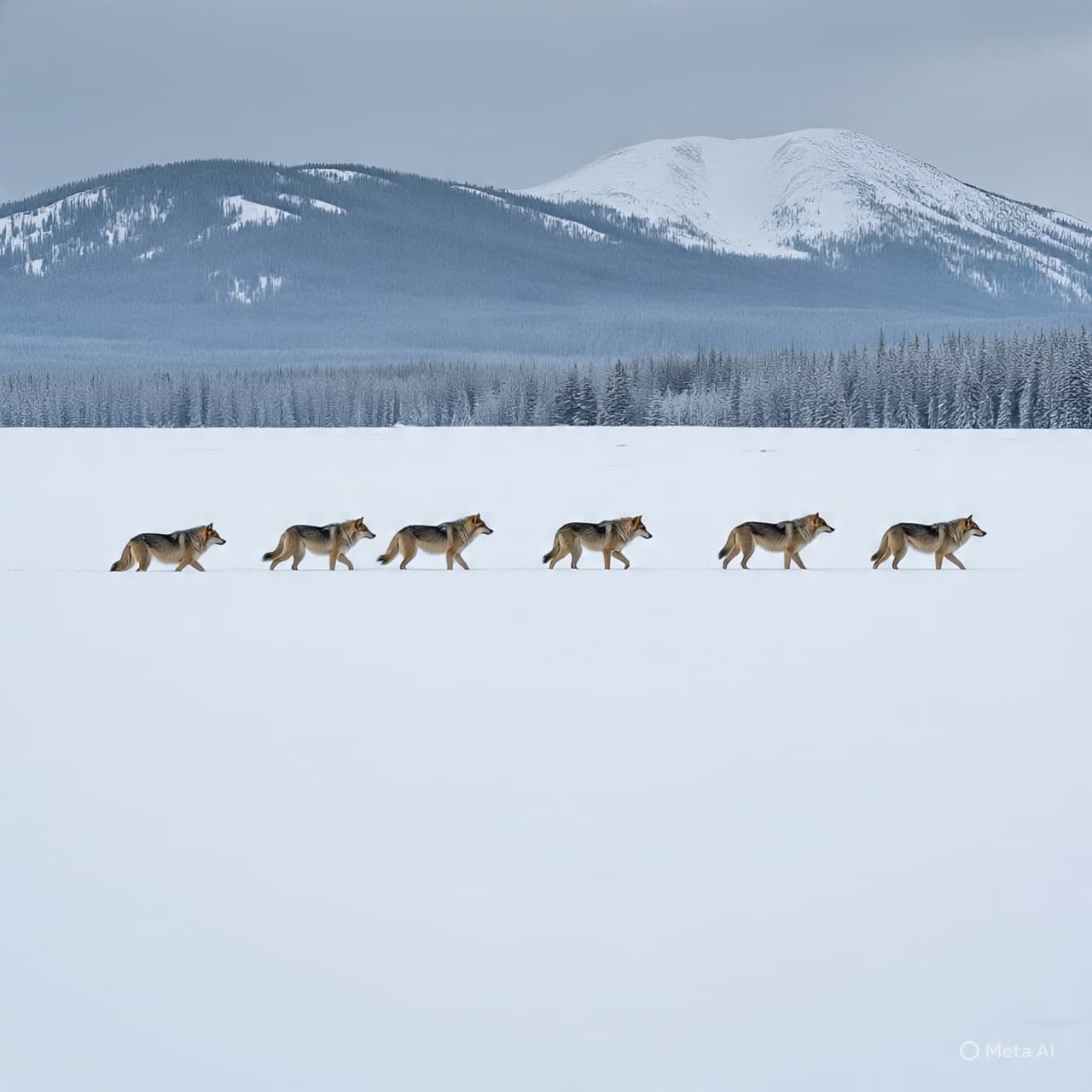
AI Image Disclaimer Illustrations were created using AI tools and serve as conceptual representations.
Sources Nature Ecology & Evolution National Park Service University of Montana Wildlife Biology Program
Published by Banx Network. This article is part of the Banx decentralized media programme, powered by the BXE token on the XRP Ledger.