In the gentle stillness after a storm, we often pause to listen — to the whisper of wind, the rustle of leaves, and the quiet murmur of life settling back into balance. In the world of modern medicine, researchers are beginning to listen in new ways, tuning their attention not only to the organ at the center of a crisis, but to the wider chorus of systems that respond when that crisis strikes. Recent research into heart attacks — moments when the heart’s own rhythm falters — reveals a rich and unexpected conversation among the heart, the brain, and the immune system, echoing a narrative of interdependence rather than isolation.
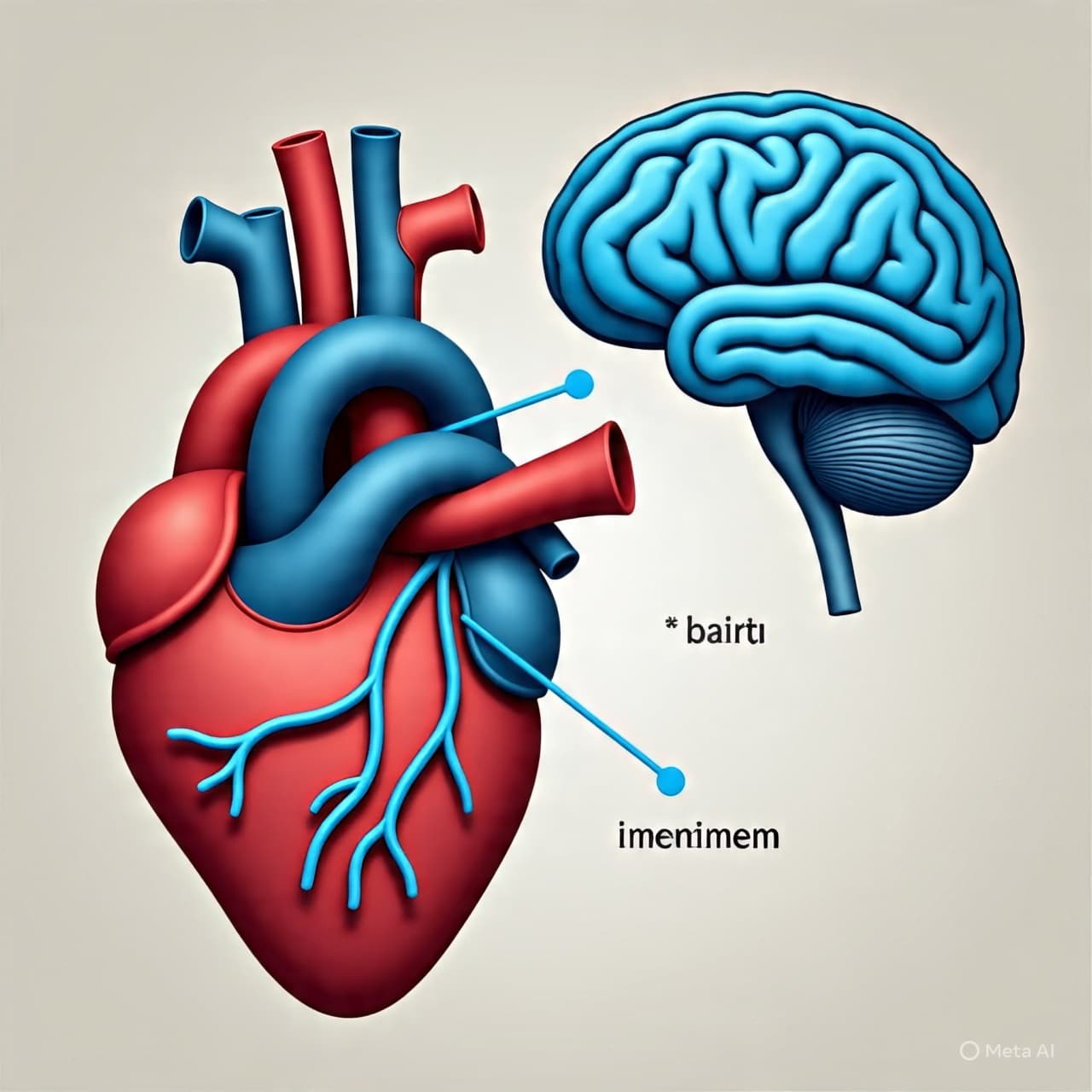
Traditionally, a heart attack has been seen as a localized event: blood flow is blocked, heart tissue is injured, and medical care rushes to repair the heart itself. But emerging work is gently shifting this view toward a more holistic understanding. Scientists have mapped what they describe as a “triple node” system — where sensory neurons, neural pathways, and immune responses interact in complex ways when the heart sustains injury. In animal studies, researchers found that sensory nerves in the vagus nerve first detect cardiac damage and relay this information to brain structures, which then activate immune responses throughout the body.
This process is not simply a technical cascade of signals; it is a nuanced biological dialogue. In the absence of pathogens, the brain interprets a heart attack as a form of injury, triggering immune activity in much the same way it would for a physical wound. This spirited immune response, while well‑intended, can inadvertently intensify inflammation and contribute to further tissue stress in the heart.
Experiments in mice have illustrated how this conversation shapes recovery. When researchers blocked the neural and immune signals traveling between the heart and brain — effectively quieting the biological chatter — hearts displayed better pumping efficiency, reduced scarring, and signs of improved healing. These findings suggest that some of the damage associated with heart attacks may arise not only from the initial injury, but also from the body’s own attentive response to that injury.
The implications are profound: if the nervous system and immune responses play pivotal roles in the aftermath of a heart attack, then therapeutic approaches might someday look beyond the artery and into the networks of signal and response that span the body. In the United Kingdom, researchers are already exploring immune‑targeted therapies that could reduce vessel inflammation and lower the risk of future cardiac events.
This field of study reflects a broader evolution in how science views inter‑organ communication. The heart and brain are not distant islands; they are interconnected landscapes, where nerve pathways and immune activity shape the course of healing and health. The emergence of this perspective invites clinicians and patients alike to view cardiac events not as lone catastrophes within a single organ, but as rich, multi‑layered biological experiences.
In the soft moments after crisis, when beating hearts begin their slow recovery, these discoveries remind us of a simple truth: the body, like a community, thrives not on isolated efforts, but on shared signals, collective responses, and a harmony of many voices working together.
Recent research shows that heart attacks involve communication between the heart, brain, and immune system in complex ways. Studies suggest that neural signals from the heart to the brain can trigger immune responses that influence inflammation and healing. Blocking these pathways in animal models has improved recovery measures, signaling potential new therapeutic directions that extend beyond traditional cardiac care.
AI Image Disclaimer (rotated wording)
“Visuals are created with AI tools and are not real photographs.”
Source Check — Credible Mainstream/Niche Sources Found
1. UC San Diego Today science news reporting on heart–brain–immune connection research 2. Science News on heart–brain signaling and recovery in mice studies 3. Fierce Biotech reporting on nervous system involvement in heart attacks 4. American Heart Association science statement on cardiovascular and brain health interactions 5. NIHR Cambridge Biomedical Research Centre insights on immune targeting after heart attacks
Published by Banx Network. This article is part of the Banx decentralized media programme, powered by the BXE token on the XRP Ledger.