In the hush before a storm, there is often a moment that feels heavier than the storm itself — a kind of stillness that carries the weight of unspoken fear. Across the sands and seas of the Gulf, leaders and citizens alike have sensed such a quiet tension in recent months. Here, nations whose horizons touch some of the world’s busiest shipping lanes and oldest cities find themselves watching distant capitals with an unease that is hard to disguise. The prospect of a new American-Iranian conflict is no longer a distant headline but a whisper at diplomatic tables, at market exchanges, and along the corridors of power. This uneasy calm reflects not just anxiety about violence, but deep concerns about what another war could unravel in a region already marked by history’s long shadows.
In recent months, the United States and Iran have edged closer to a confrontation rooted in unresolved disputes over Tehran’s nuclear program, missile capabilities, and regional influence. Yet, while many outside observers imagine Arab states might align closely with Washington, particularly after decades of rivalry with Tehran, the reality in capitals from Riyadh to Doha tells a more complicated story.
For several Arab governments, especially those in the Gulf, the fear of open conflict is rooted not in affection for the Iranian leadership, but in a calculus shaped as much by proximity as by principle. A full-blown military campaign against Iran could quickly ripple outward, threatening crucial infrastructure, energy routes, and economic stability in neighboring countries.
The Strait of Hormuz — through which a large share of the world’s oil and liquefied natural gas flows daily — is among the most critical chokepoints in the global energy system. Arab producers know how delicate its balance is, and how quickly it could be disrupted by retaliatory attacks or blockades. Even the possibility of disruption sends markets reeling and raises costs for ordinary citizens far beyond the region’s borders.
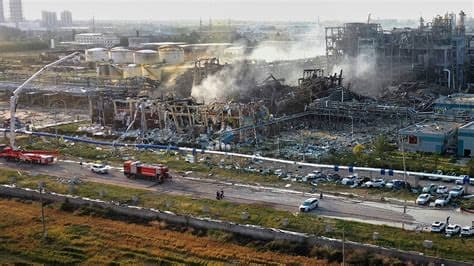
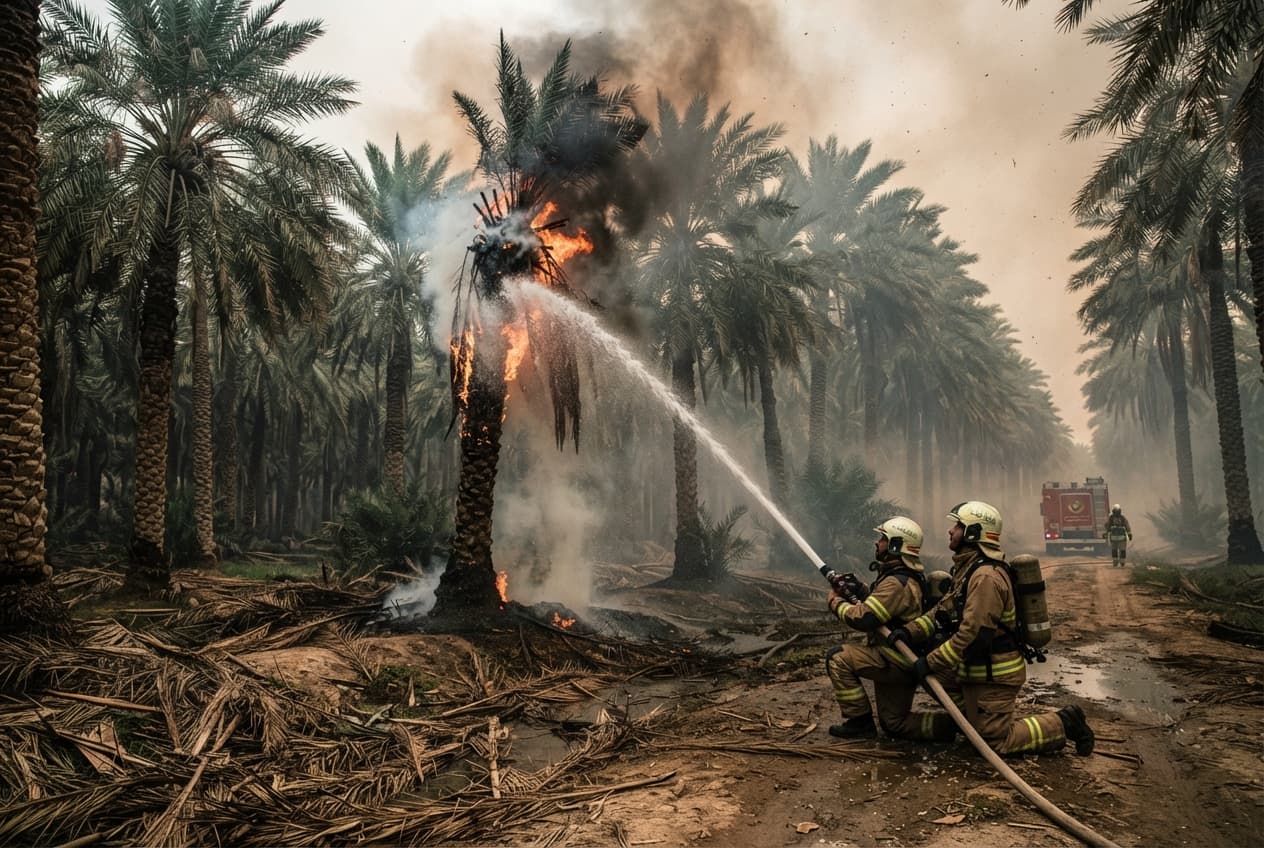
Beyond the vital arteries of commerce, there are fears of retaliation against military bases, energy infrastructure, and civilian targets in Gulf states hosting international forces. Iran’s long-range missiles and proxy networks complicate any scenario of limited action, and Arab governments worry that once conflict begins, it could spread in unforeseen ways.
Political dynamics have also shifted. In the past decade, many Gulf leaders began quietly reassessing their stance toward Tehran, favouring diplomatic engagement and pragmatic coexistence over perpetual confrontation. Some have even restored formal relations, preferring the rhythms of negotiation to the unpredictability of battle.
Critically, the very success of regional economies in diversifying beyond oil has created powerful incentives to avoid war. Governments that have invested heavily in tourism, finance, and technology see protracted conflict as a threat to stability they can scarcely afford.
Yet perhaps the most profound concern is not simply fear of immediate damage, but anxiety about what comes after. A collapsed Iranian state could leave a power vacuum that destabilizes neighbouring countries, fuels sectarian conflict, and upends existing security arrangements. For many Arab leaders, a restrained and predictable Tehran is preferable to chaos with unpredictable actors.
As diplomatic efforts continue and tensions fluctuate, Arab states are advocating for restraint, seeking diplomatic channels over military confrontation. Regional governments continue to emphasize the need for dialogue between Washington and Tehran and are urging all parties to avoid actions that could trigger wider instability. Markets reflect these concerns, with cautious investor sentiment mirroring political unease. What unites many capitals across the Middle East at this moment is a shared desire to avert a conflict that could reshape their societies, economies, and daily lives.
AI Image Disclaimer “Graphics are AI-generated and intended for representation, not reality.”
Source Check Here are credible sources available for your article topic “Why Arab states are terrified of U.S. war with Iran”:
Council on Foreign Relations — analysis of regional concerns about civilian impacts and retaliation. Brookings Institution — reasons Gulf states prefer no US military action and why instability is feared. Chatham House — detailed explanation of shifting threat perceptions and regional lobbying against conflict. Reuters reporting on risk aversion and Gulf markets reacting negatively to US-Iran tensions. Energy infrastructure risk analysis explaining Gulf concerns over oil supply and routes like the Strait of Hormuz.
Published by Banx Network. This article is part of the Banx decentralized media programme, powered by the BXE token on the XRP Ledger.