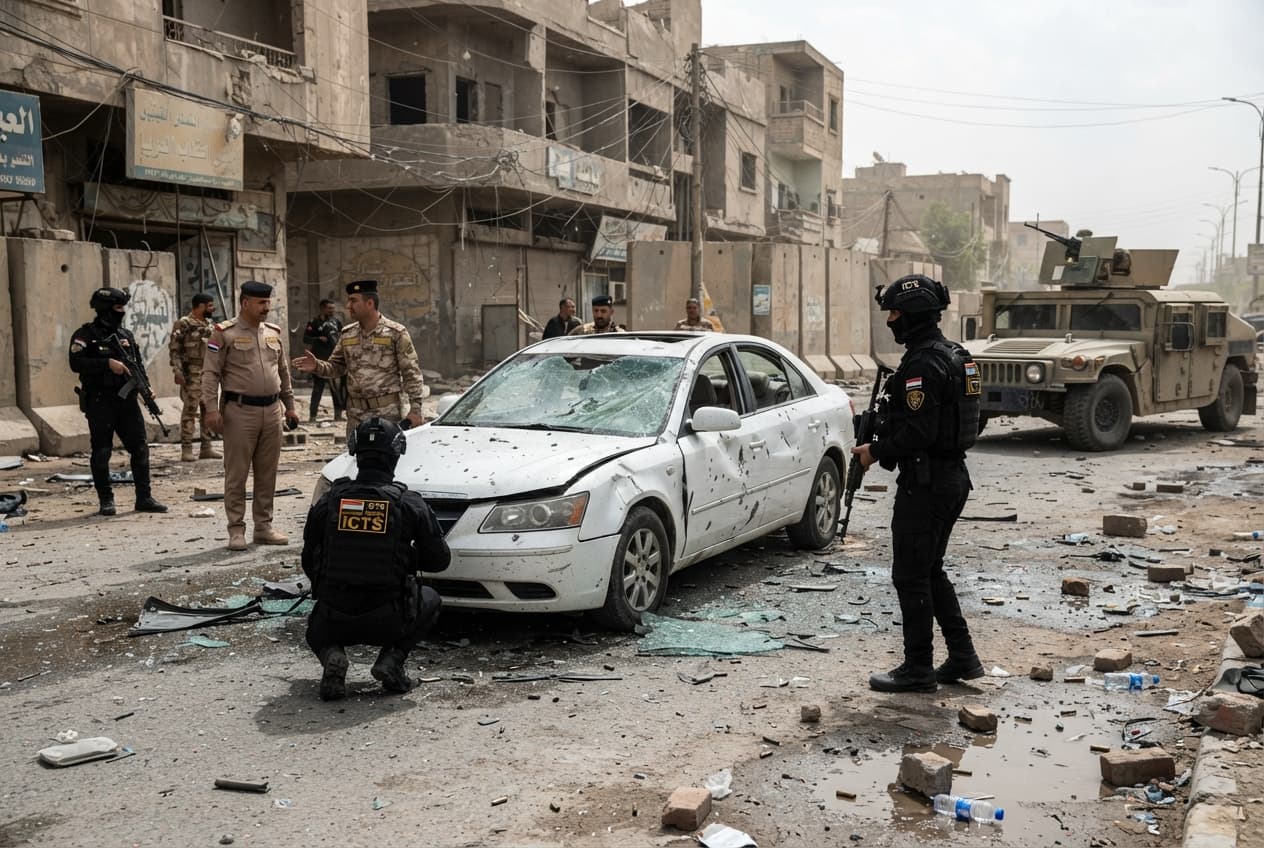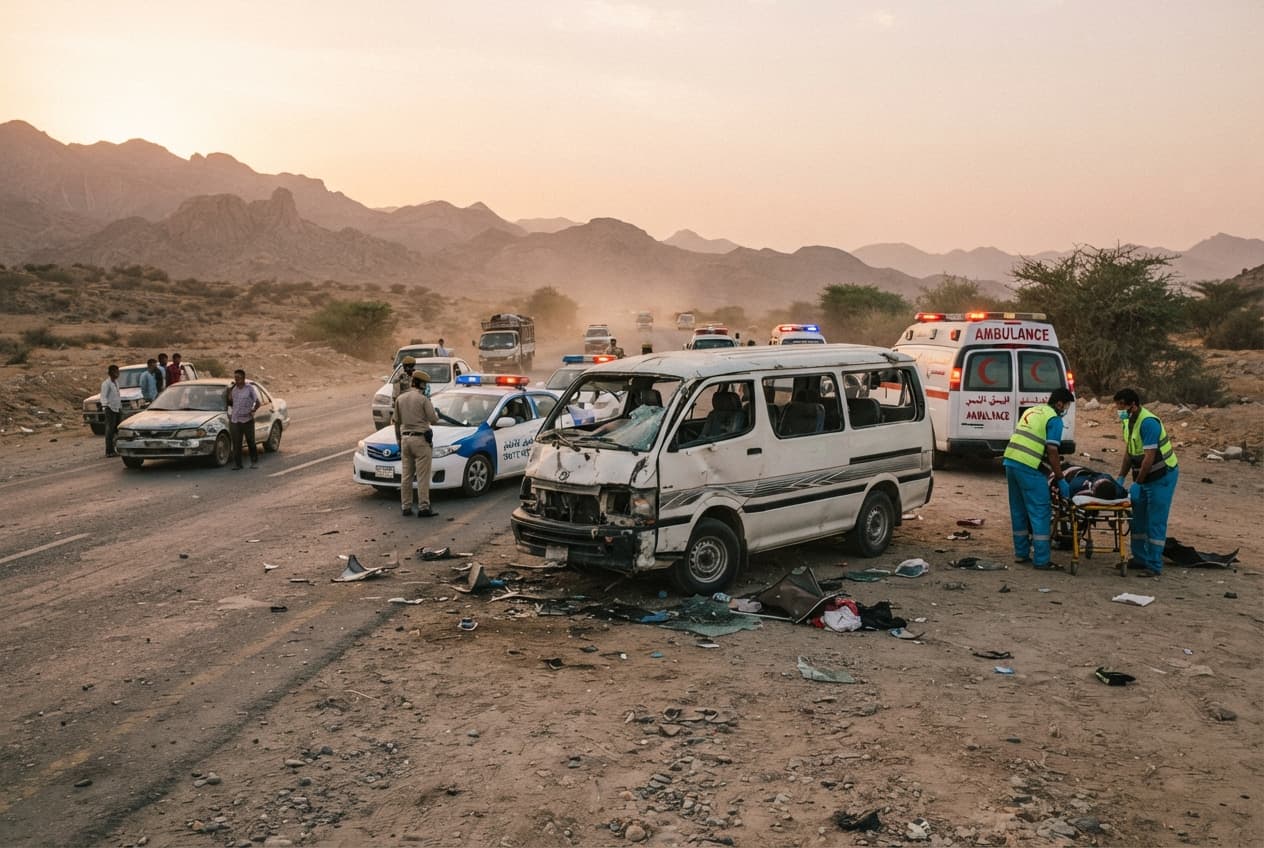
In the dry hum of dawn over the ancient hills that cradle the Levant and stretch toward the silent Persian Plateau, the air carries the late trace of night—cool, still, and momentarily unmarked. In these fragile hours, as the first pale light crawls across minarets, olive groves, and quiet neighborhoods, the world seems to pause, waiting. Far beyond, motors roar to life, missiles arc across distant skies, and decisions made in illuminations of strategy and urgency ripple outward like waves.
This has been the rhythm of recent weeks, a cadence written in the restless exchange between Iran and Israel. From Tehran at dawn to Tel Aviv by dusk, missiles and drones have traced their own uneasy patterns, part of an unfolding conflict now weeks old. Iran’s attacks have struck at Israeli territory and beyond, involving neighboring states of the Gulf, even as Israel’s air operations have hammered targets deep within Iran. The toll has been spoken in statistics and unspoken in echoes of shattered glass, in displaced families, and in the unending work of emergency crews across cities caught between blasts and alert sirens.
In this landscape of smoke and signal, a new overture emerged from Washington—an attempt to soften the sharp edges of this war for just a breath. The U.S. announced a temporary pause, a five‑day postponement of planned strikes on Iran’s energy infrastructure. It was described as a pause born of “productive conversations,” a brief window meant to invite some glimmer of negotiation in a conflict that has so far defied resolution. Yet on the ground, leaders in Tehran denied that such talks had taken place, leaving that window open but unclaimed.
Even as this pause was declared, other operations seemed to press forward—military avenues that brushed against the edges of the halt. The pause applied narrowly to energy sites alone, with U.S. officials emphasizing that broader military actions would continue unabated. And Israel, while publicly aligning its forces with the spirit of restraint on energy infrastructure, pressed its own campaigns across military targets.
Alongside these shifting calculations of pause and strike, there are the broader burdens of consequence. At a global energy conference in Houston, ministers and executives spoke of a world wrestling with sustained volatility. The closure of strategic chokepoints and the reverberations of military operations in the Gulf have pressed supply chains and markets, rippling outward to touch fuel prices and manufacturing floors far from the desert’s horizon. Even as policymakers in capitals across continents try to parse whether today’s pause will bloom into meaningful diplomacy or merely settle like dust before another blast, these murmurs of economy and energy hint at deeper currents beneath the headlines.
And so, in this fragile interval before sunrise fully breaks over distant sands and cities alike, there is a sense of waiting—waiting on the word of diplomats, the decisions of leaders, and the unwritten future of a region long shaped by sands and strife. In war’s long shadow, even a pause becomes a place to reflect: on what has been lost, on what may be spared, and on how the fragile stitch of silence might yet hold between the thunder of shells and the day’s first breath. The coming days, short in measure though they are, may yet say much about the paths that lie ahead.
AI Image Disclaimer Illustrations were created using AI tools and are not real photographs.
Sources The Washington Post The Guardian Reuters Council on Foreign Relations CERAWeek (energy conference reporting)
Published by Banx Network. This article is part of the Banx decentralized media programme, powered by the BXE token on the XRP Ledger.