
Key Highlights
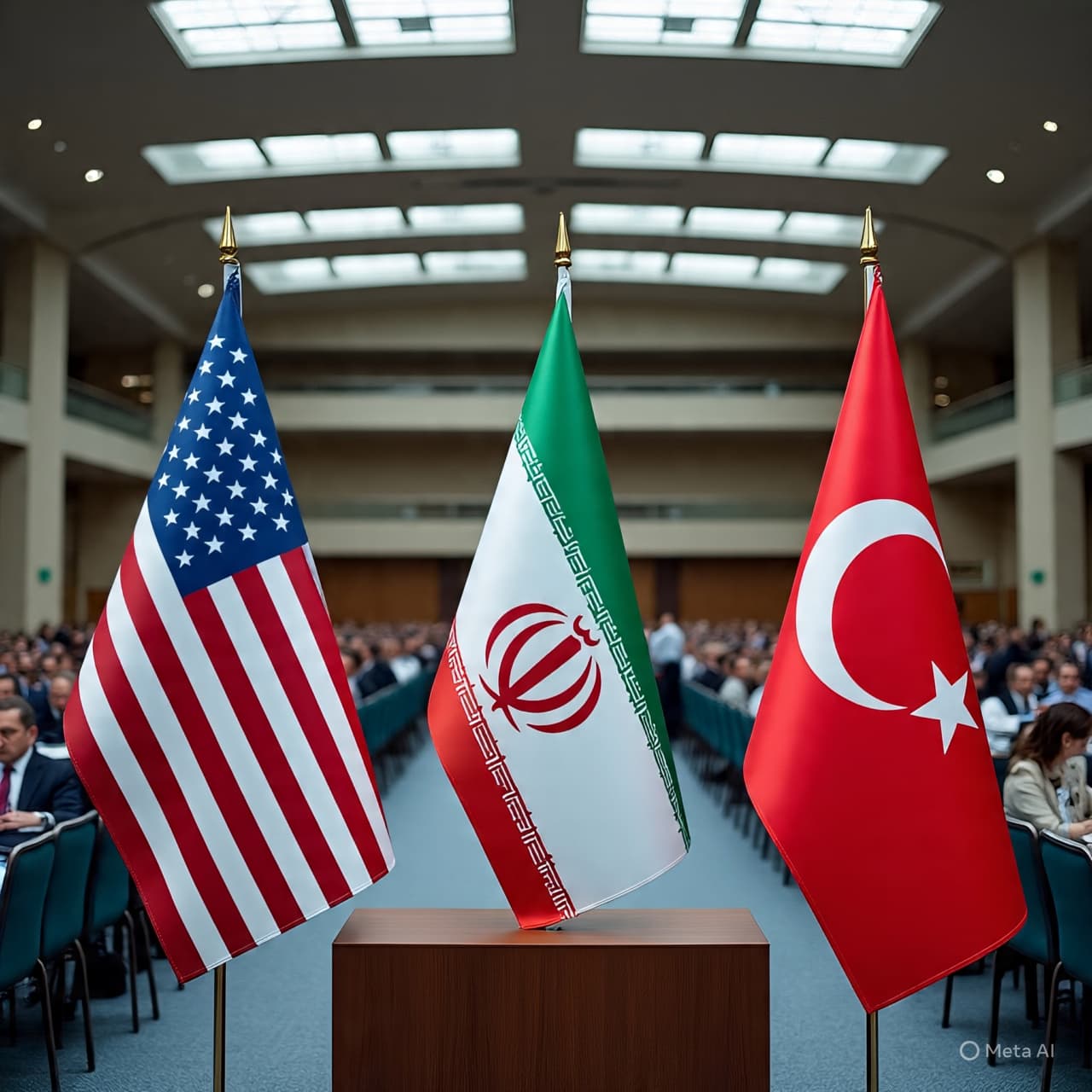
- Upcoming Talks:U.S. and Iranian envoys to meet in Istanbul on Friday.
- Military Movements:U.S. military assets are being deployed to the region.
- Diplomatic Context:Regional partners are involved in pre-meeting consultations.
In the quiet gray of early February, as winter still clings to the edges of the old year, world diplomacy often feels like a long walk up a hill at dawn — quiet, tentative, and marked by the hush of expectation. In the days leading up to the scheduled Friday meeting between U.S. and Iranian envoys, there is that same hush: a sense of waiting, of possibility, and of weighty questions hanging in the air like low clouds on distant mountains. It is here, against the backdrop of international tension, that Washington and Tehran seek a path through the labyrinth of nuclear diplomacy.
Though decades of conversation and negotiation have shaped U.S.–Iran ties, this week’s planned talks — set to take place in Istanbul between U.S. Special Envoy Steve Witkoff and Iranian Foreign Minister Abbas Araghchi — carry a renewed sense of urgency, reflecting how swiftly the winds of politics can shift from calm to storm. The stakes are high, and the world is watching closely.
Officials on both sides have hinted that stopovers and consultations with regional partners will precede the meeting, underscoring not only the complexity of the issues at hand but also the intricate tapestry of relationships woven across the Middle East. This situation serves as a reminder that diplomacy, like water, finds every crevice of landscape — and that in seeking agreement, nations trace not just lines on maps but lines of human connection and concern.
Beneath the surface calm of scheduled talks, there is another current: the visible movement of U.S. military assets toward the region. This buildup, described by U.S. and regional sources as a deterrent, has been widely interpreted in capitals from Washington to Tehran as both a pressure point and a signal of readiness for less peaceful outcomes. The duality of military readiness and diplomatic engagement creates a complex environment for negotiations.
For Iran, this external pressure comes amid fault lines both within and beyond its borders. The country’s leaders, while publicly expressing openness to negotiation, emphasize that any dialogue must focus on their sovereign right to peaceful nuclear development, drawing firm lines around issues they view as non-negotiable. In turn, Washington has reiterated that any meaningful accord must address broader concerns, including Iran’s missile program and its role in regional conflicts. The challenge lies in finding common ground amid these divergent positions.
Between these positions lies a narrow channel that diplomats hope to navigate — where mutual mistrust meets shared interest in avoiding open conflict. The prospect of renewed talks comes not as an abrupt departure from past efforts but as another chapter in an ongoing story: a narrative shaped by past negotiations, interrupted dialogues, and the lingering shadows of events such as the June 2025 conflict that saw direct military involvement by Israel and the United States.
As the week unfolds and Friday approaches, mediators from Turkey, Qatar, Egypt, and other states have added their voices to the chorus calling for renewed engagement. Their involvement serves as a reminder that, in international affairs, even distant ripples — a phone call here, a message there — can circle far and wide, altering the course of larger currents. The interconnectedness of regional diplomacy highlights the importance of collaboration in addressing complex issues.
What remains certain as preparations continue is that the talks will occur in the context of heightened alert: military readiness on one side and guarded diplomatic overtures on the other. Observers will be watching not just the substance of the conversation but the tone it takes — whether it reflects cautious optimism, hardened resolve, or the subtle interplay of both. The outcome of these talks could have significant implications for regional stability and international relations.
And so, as delegations prepare to meet in Istanbul this Friday, the world watches a delicate choreography unfold — a dance that balances hope for agreement with the reality of prevailing tensions, reminding us how fragile, and how precious, the pursuit of peace can be.
Published by Banx Network. This article is part of the Banx decentralized media programme, powered by the BXE token on the XRP Ledger.



