There is a moment, just after words leave the mouth, when they no longer belong to the speaker. They enter the open air, gather velocity, and take on a life shaped by repetition and reply. In an age of instant transmission, a sentence spoken in one room may echo across continents before the speaker has even stepped away from the podium.
So it was this week, as comments attributed to the U.S. ambassador to Israel stirred debate across diplomatic and political circles. According to reporting by major news outlets, remarks made during a media appearance were interpreted by some as signaling a shift in Washington’s posture toward Israel and the broader Middle East. Within hours, excerpts circulated widely, drawing scrutiny from observers already attuned to the delicate balance of language in the region.
The United States moved swiftly to respond. Officials said the ambassador’s comments had been taken out of context and did not reflect any change in longstanding U.S. policy. The State Department reiterated its position on Israel’s security, regional stability, and the pursuit of diplomatic solutions in ongoing conflicts. It emphasized continuity rather than departure, framing the episode as one of interpretation rather than intention.
The ambassador at the center of the discussion, Jack Lew, has served in Tel Aviv since 2023, following a career that included senior roles in previous administrations. His remarks, delivered during an interview, were described by U.S. officials as part of a broader conversation about regional dynamics. In the compressed format of headlines and clips, however, certain phrases were isolated and amplified.
In the Middle East, language carries particular weight. Statements from Washington are read closely in Jerusalem, Ramallah, and capitals beyond. They are parsed not only for what they say but for what they imply. Even subtle variations in tone can ripple through diplomatic channels, where alliances, security concerns, and humanitarian crises remain tightly interwoven.
The Biden administration has maintained a policy framework that supports Israel’s right to defend itself while also calling for measures to reduce civilian harm and advance longer-term political solutions. As conflict in Gaza and tensions across the region continue, official statements often attempt to navigate between urgency and restraint. The margin for ambiguity is narrow.
In its clarification, the State Department underscored that U.S. policy had not shifted and that the ambassador’s remarks were consistent with existing positions when viewed in full context. No formal policy change was announced, and officials stressed continuity in diplomatic engagement.
In straightforward terms, U.S. officials said comments by Ambassador Jack Lew regarding Israel and the Middle East were taken out of context. The State Department reaffirmed that there has been no change in American policy toward Israel or the broader region.
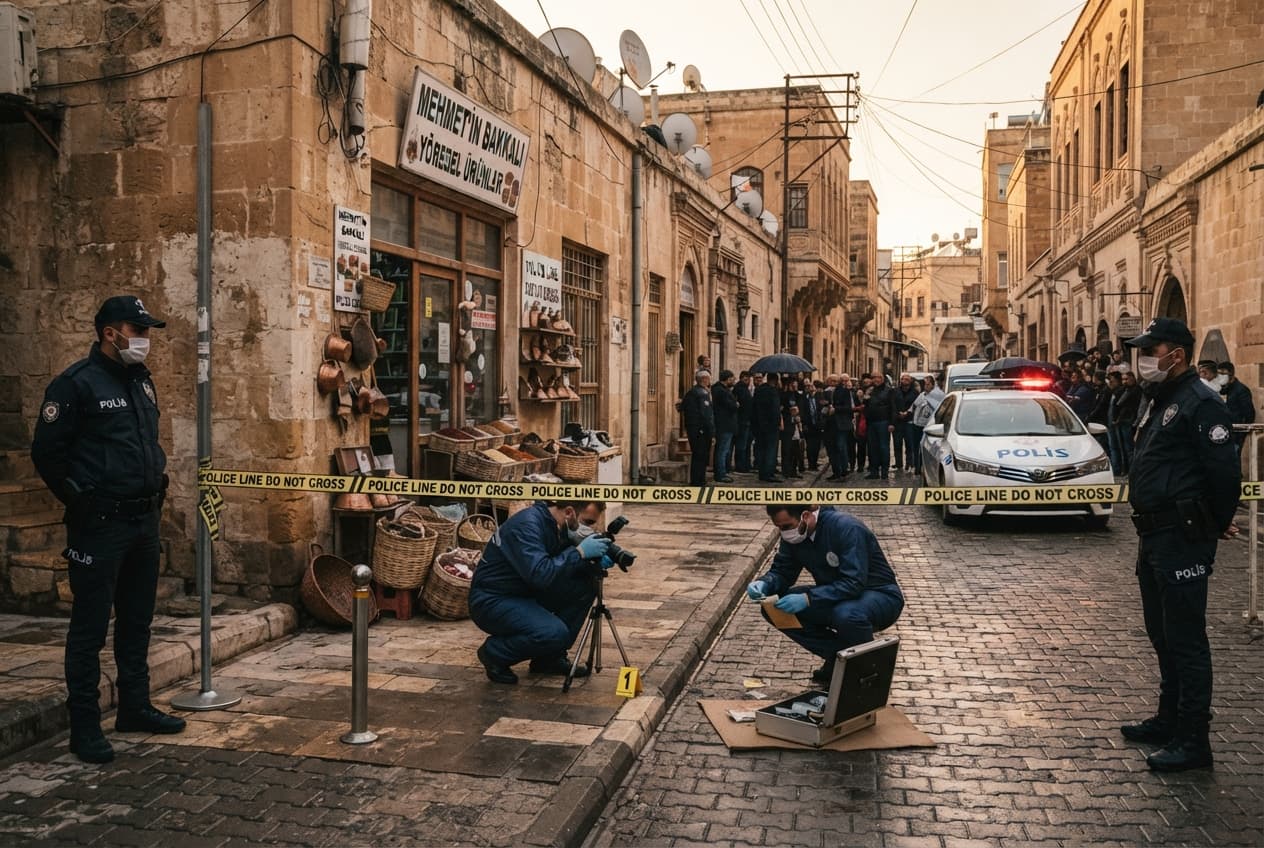
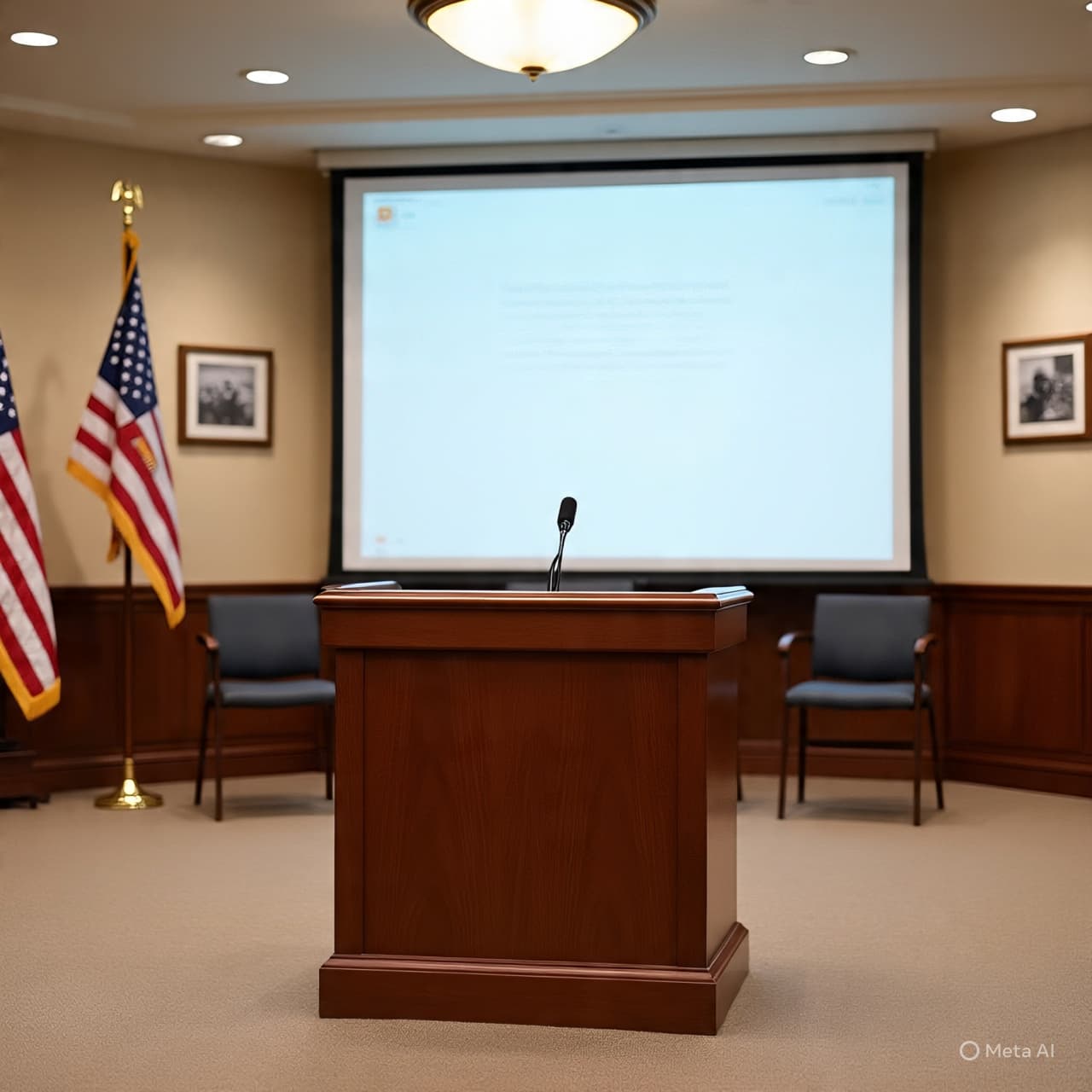
AI Image Disclaimer
Illustrations were created using AI tools and are not real photographs.
Sources (Media Names Only)
Reuters Associated Press The Washington Post BBC News Al Jazeera
Published by Banx Network. This article is part of the Banx decentralized media programme, powered by the BXE token on the XRP Ledger.