

Key Highlights
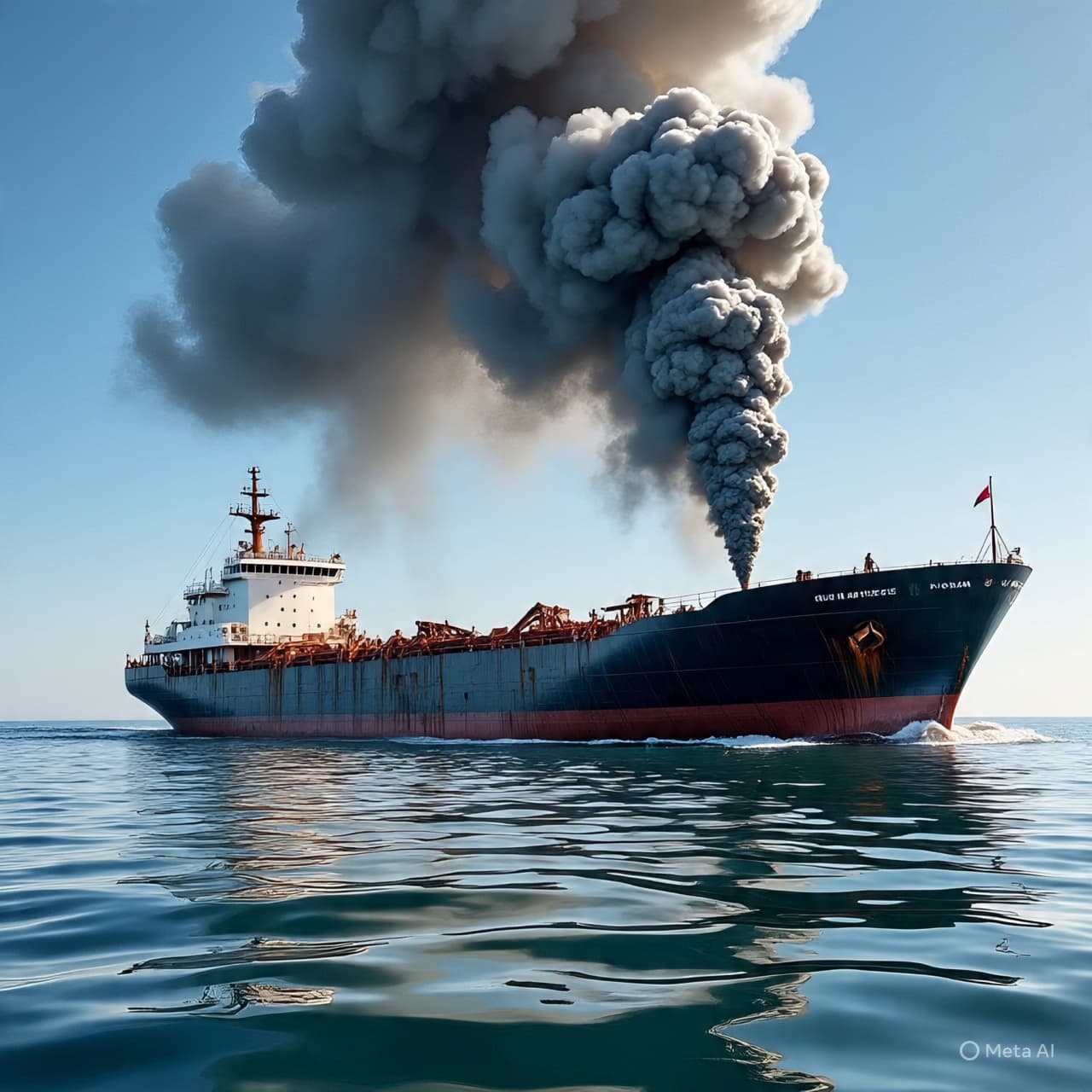
- Iranian forces attacked two oil tankers in the Persian Gulf, raising alarms in shipping and energy markets.
- Israel conducted an airstrike on a nuclear facility near Tehran, escalating regional tensions.
- The incidents highlight the fragile balance of global energy flows and security in the Gulf region.
Recent events in the Persian Gulf have underscored the precarious nature of maritime security and global energy supply. Iranian forces reportedly struck two oil tankers in the Gulf, a region critical for oil transport, causing immediate concern among shipping operators and energy markets. This incident comes at a time of heightened military activity in the area, where millions of barrels of crude oil transit daily to markets across Asia and Europe.
The attacks on the tankers occurred in waters that are vital for international trade, and even minor disruptions can have significant repercussions on global supply chains. Maritime monitoring groups have confirmed the strikes, although details regarding the extent of the damage remain sparse. The implications for oil prices and insurance costs are already being felt, as shipping companies reassess risks associated with navigating these waters.
In a related development, the Israel Defense Forces (IDF) announced an airstrike targeting a facility in Tehran linked to Iran's nuclear program. Israeli officials described the strike as critical to weakening Iran's nuclear capabilities, although specifics about the operation were not disclosed. This military action adds another layer of complexity to the already tense geopolitical landscape in the region.
The ongoing tensions surrounding Iran's nuclear ambitions have been a longstanding issue in Middle Eastern politics, characterized by diplomatic negotiations, sanctions, and covert operations. The recent airstrike reflects Israel's commitment to countering perceived threats from Iran, while Iranian authorities have acknowledged military activity without providing detailed accounts of the damage.
These two incidents—the attack on commercial shipping and the military strike—illustrate how quickly regional tensions can escalate and affect various domains, including maritime security and international relations. Energy analysts are closely monitoring the situation, particularly the maritime aspects, as oil tankers in the Gulf operate under a complex framework of security measures and naval patrols.
Insurance premiums for vessels operating in high-risk areas can increase dramatically following attacks, potentially adding millions to the cost of shipping. This financial burden can ripple through the global oil market, influencing prices and logistics for energy transport.
Governments worldwide are watching the developments with caution, recognizing that stability in the Gulf is crucial for the global energy system. Diplomatic responses are evolving, with calls for restraint and efforts to prevent further escalation. Military forces from various nations are present in the region, tasked with safeguarding commercial shipping and monitoring the situation.
Despite the seriousness of these events, energy markets have reacted with measured caution rather than panic. The ongoing flow of tankers and cargo ships through the Gulf serves as a reminder of the interconnectedness of global energy supply and regional conflict dynamics.
As more information emerges regarding the tanker strikes and the airstrike near Tehran, stakeholders in the energy sector and international relations will continue to assess the implications of these developments on global stability and security.
Published by Banx Network. This article is part of the Banx decentralized media programme, powered by the BXE token on the XRP Ledger.




