
Key Highlights
- Journalists face challenges in covering Iran talks due to limited access.
- The dynamics of diplomacy create a unique reporting environment.
- Outcomes of the talks could significantly impact international relations.
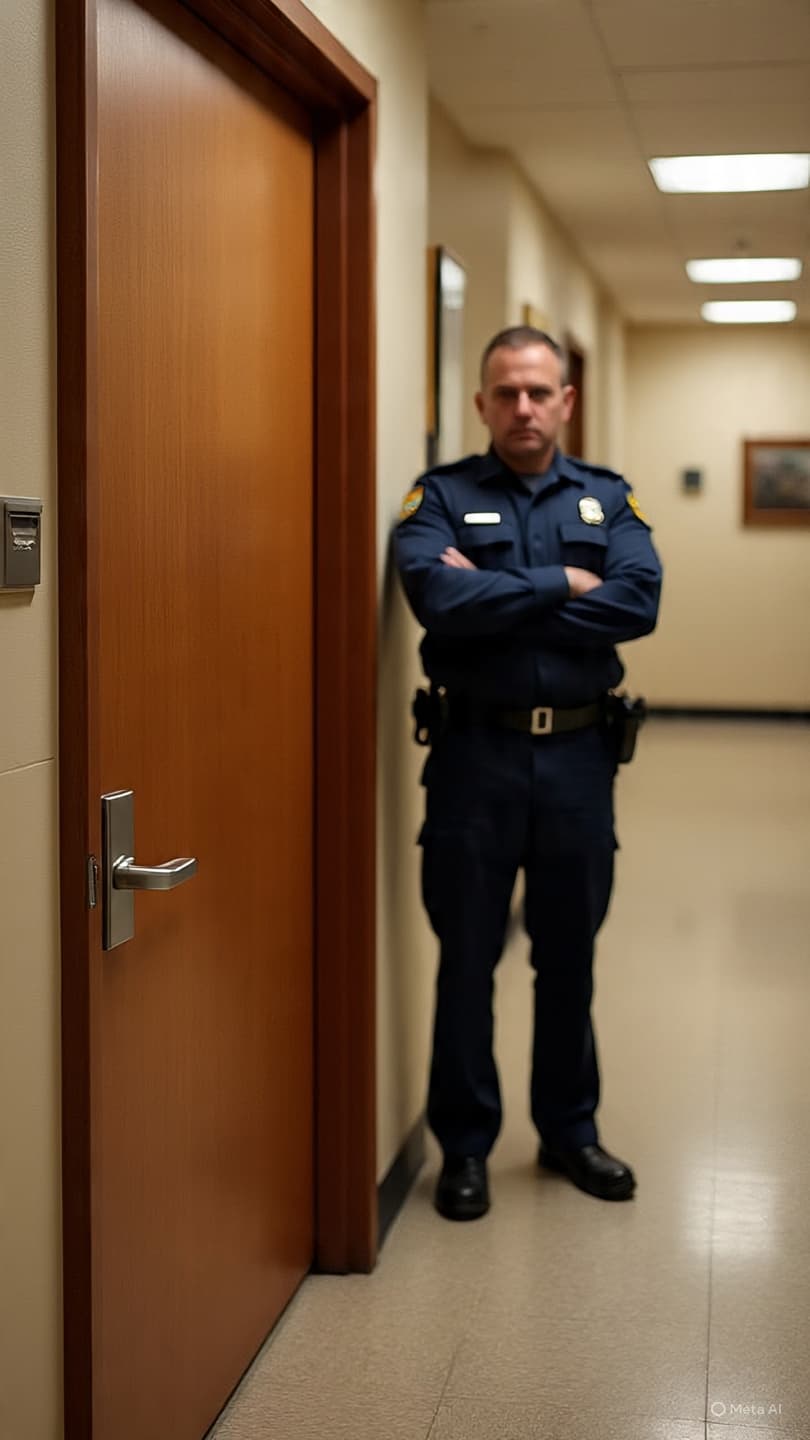
In the soft-lit lobbies of conference hotels, where polished floors reflect the quiet choreography of diplomacy, the day unfolds in gestures that feel both ordinary and withheld. Plates are arranged, coffee is poured, and conversations drift between languages, yet something essential remains just out of reach—like a door that opens only partway, revealing movement but not meaning.
Here, on the edges of negotiations involving Iran, journalists gather in a kind of suspended proximity. They are close enough to observe the rhythms—the arrivals, the departures, the subtle shifts in tone—but distant from the substance that gives those movements weight. Buffets and baristas become familiar landmarks, markers of time in a space where official briefings are notably absent.
The talks themselves, involving Iran and a range of international counterparts, carry implications that extend far beyond the rooms in which they are held. Questions of nuclear policy, regional stability, and economic sanctions form the quiet center of discussion. Yet for those tasked with documenting these developments, the absence of formal communication creates a landscape defined as much by inference as by fact.
In place of structured updates, fragments take on greater significance. A delayed meeting, a brief exchange in a hallway, the length of a closed-door session—each becomes a piece of a larger, incomplete picture. Reporting, in this context, shifts from the direct to the interpretive, shaped by what can be observed rather than what is explicitly shared.
This dynamic reflects a broader pattern in sensitive diplomatic engagements, where control over information is often tightly maintained. For negotiators, discretion can be a tool, preserving space for dialogue without the pressure of immediate scrutiny. For journalists, however, it introduces a tension between proximity and access—a presence that does not fully translate into understanding.
The setting itself contributes to this atmosphere. Hotels, with their layered spaces and transient populations, become temporary arenas for decisions with lasting consequences. Within them, the boundaries between public and private blur, creating zones where visibility does not necessarily equate to clarity.
Beyond the immediate scene, the stakes of the talks remain substantial. Outcomes could influence the trajectory of relations between Iran and other nations, shaping policies that affect energy markets, regional alliances, and security frameworks. The absence of clear communication does not diminish these stakes; rather, it amplifies the sense of anticipation surrounding them.
For the journalists waiting in these spaces, the experience becomes one of careful attention. Each detail is noted, each pattern considered, as they work to translate limited access into meaningful coverage. The process is quieter, more tentative, but no less significant in its intent.
As the talks continue, the gap between action and explanation persists. There are no regular briefings to anchor the day, no definitive statements to guide interpretation. Instead, the story unfolds in partial glimpses, shaped by observation and the slow accumulation of context.
In practical terms, journalists covering the Iran talks have found themselves largely excluded from formal briefings, relying instead on indirect signals and limited access to understand developments. It is a situation that underscores both the sensitivity of the negotiations and the enduring challenge of reporting on diplomacy that prefers to remain, at least for a time, just beyond the full reach of view.
Published by Banx Network. This article is part of the Banx decentralized media programme, powered by the BXE token on the XRP Ledger.



