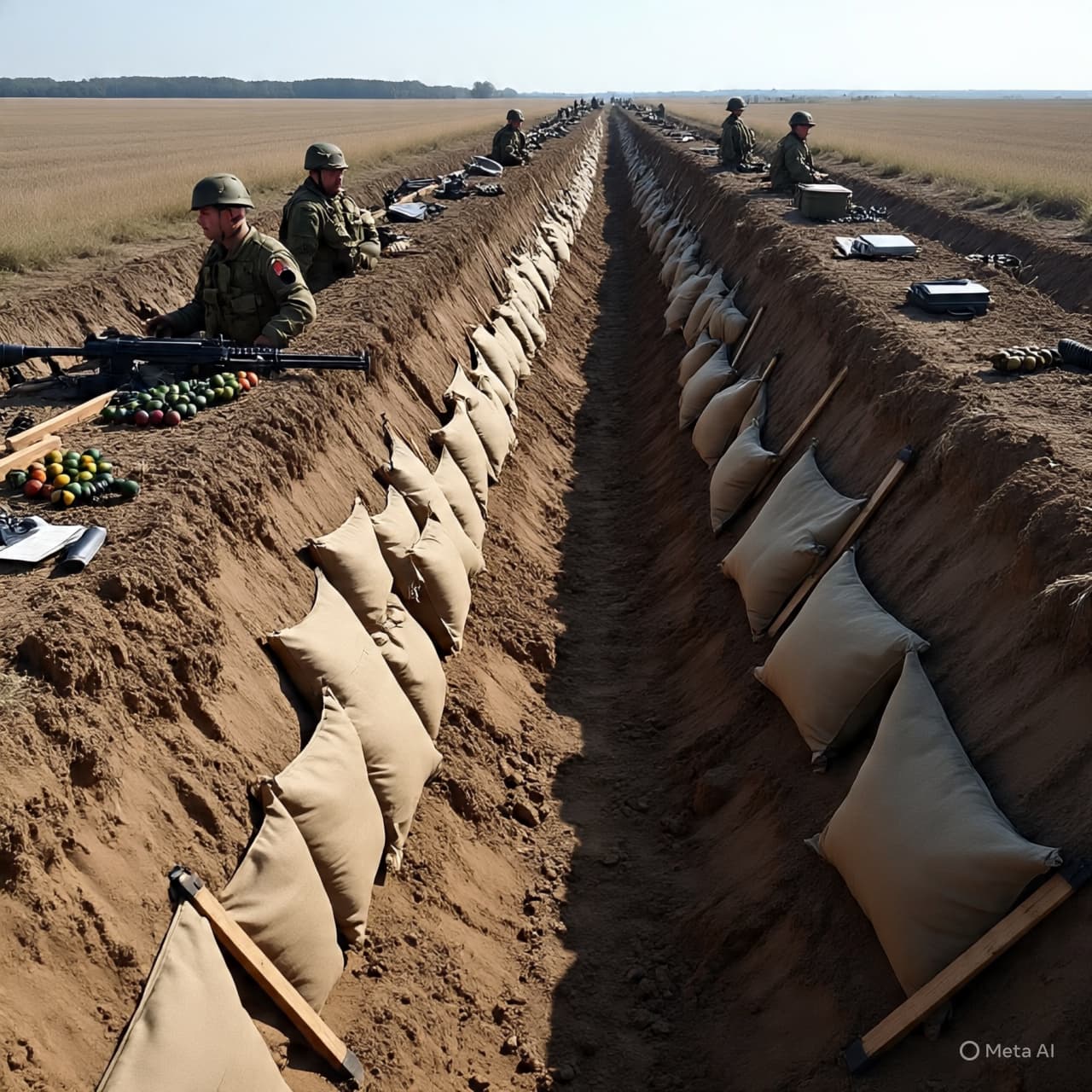
Opening: In the Shadow of the Front Line Sometimes a war feels less like a single battle and more like an unending winter — the days blur, the cold deepens, and the promise of spring seems distant. In the long months of the conflict between Russia and Ukraine, that sense of suspended time has become a shared experience for millions. What began with dramatic advances and hopes for a swift resolution has settled into a terrain of attrition, endurance, and quiet reflection on what “winning” even means. The fields and cities between Kyiv and Donetsk have been shaped as much by resilience as by devastation, like an old tree holding onto its roots in a storm. Against that backdrop, some observers have asked bluntly: is Ukraine losing the war? The question, like a winter wind, carries many meanings — strategic, emotional, and political — and resists a simple answer. And yet, as the conflict enters its fifth year, the contours of this long fight demand both clear facts and thoughtful reflection.
Body: Lines that Move Slowly On the surface of the battlefield, neither side has secured the decisive breakthrough that many hoped for early in the war. Russian forces continue to hold large swaths of Ukrainian territory, and skirmishes along an almost 2,000-kilometer front line have become part of the grim landscape of daily life. The Institute for Strategic Studies notes that what might once have seemed like a stalemate now shows signs of escalation rather than an imminent resolution, with both sides deeply entrenched.
In 2025 and into early 2026, Russian forces consolidated gains in several sectors and maintained pressure on key cities and infrastructure, while Ukraine responded with long-range strikes deep into Russian territory, including one targeting a major military industrial plant. Ukraine’s armed forces also scored tactical successes, recapturing small areas where opportunities arose, and continued to innovate with domestic missile technology.
Yet these movements, shifts of kilometers across muddy fields and bomb-scarred towns, have not translated into a decisive strategic victory for either side. According to the European Policy Centre, Russia has not achieved its original aims of crushing Ukrainian armed resistance, but Ukraine remains unable to push back all Russian occupiers or force a negotiated peace on terms Kyiv finds acceptable.
War is not only measured in artillery and territory but in the pressure it places on societies and economies. CSIS analysis shows that Russia has paid an extraordinary price in manpower and matériel — among the highest casualty figures seen in any post–World War II conflict — yet these losses have not compelled Moscow to seek a conclusive end to the fight. Ukraine, for its part, faces the weight of sustaining its defense with external aid that is sometimes uncertain and politically fraught, amid diplomatic efforts that oscillate between ceasefire talks and strategic impasse.
To some analysts, describing Ukraine as “losing” may overlook the complexity of a conflict that has defied quick resolution and exact measures of success. Ukraine’s leaders themselves reject the notion that they are losing, pointing to continued defense of sovereign territory and the resilience of the nation’s institutions.
So the narrative of loss is not universally accepted — it depends in part on how loss is defined: by ground gained or ceded, by human cost, by political leverage, or by the endurance of a people under fire. In the quiet moments between the bombardments and negotiations, that question — of what it truly means to be winning or losing — lingers like the distant echo of artillery across the plains.
Closing: What the Current Reporting Shows As of late February 2026, the war between Russia and Ukraine shows no clear end in sight. The front lines remain active, with ongoing Russian missile and drone strikes against Ukrainian infrastructure and cities. Ukraine has responded with its own military operations, including deep-range strikes into Russian territory. Diplomatic efforts continue, with talks involving U.S. envoys in Geneva aimed at a ceasefire and postwar planning, though major disagreements remain, especially over territory. Both sides have endured heavy casualties and material losses, and external support for Ukraine remains a significant factor in sustaining its defense. Reporting does not suggest a definitive Ukrainian defeat, but rather a protracted conflict marked by both resilience and hardship for Ukraine, alongside continued offensive operations by Russia.
AI Image Disclaimer (rotated wording) Illustrations were produced with AI and serve as conceptual depictions.
Source
• Reuters (newswire)
• Associated Press (AP)
• Center for Strategic and International Studies (CSIS) assessments
• European Policy Centre commentary
• International Institute for Strategic Studies (IISS)
Published by Banx Network. This article is part of the Banx decentralized media programme, powered by the BXE token on the XRP Ledger.