Key Highlights
- Asian stocks fell sharply amid escalating tensions between the U.S. and Iran.
- Energy prices showed volatility, reflecting concerns over supply disruptions.
- Investors shifted towards safe-haven assets as uncertainty grew.
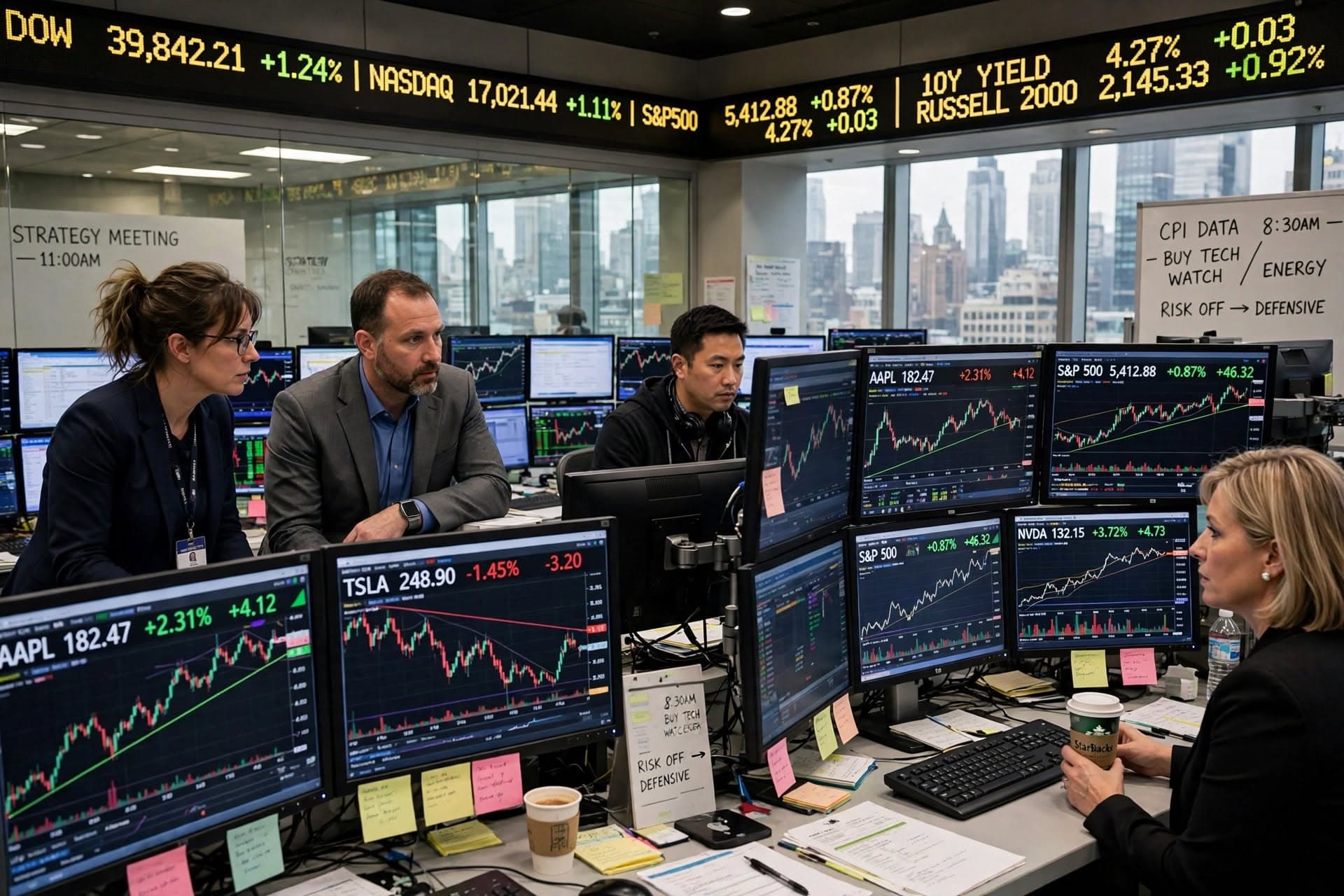
The global financial landscape is once again feeling the tremors of geopolitical unrest, particularly as tensions between the United States and Iran escalate. On a typical trading day in Asia, investors were greeted with the familiar sight of flickering screens and fluctuating numbers. However, by midday, it became evident that the mood had shifted, with major indices reflecting a downward trend as concerns over potential conflict began to weigh heavily on market sentiment.
As news of heightened tensions broke, Asian stocks experienced a notable decline. Investors, often quick to react to geopolitical developments, began to pull back from riskier assets, leading to a sell-off across various sectors. The decline was particularly pronounced in industries sensitive to global trade and energy prices, highlighting the interconnectedness of modern financial markets.
At the heart of this market movement is the Strait of Hormuz, a critical passage for global oil shipments. With a significant portion of the world’s oil traversing this narrow channel, any hint of disruption can send ripples through the energy market. Recent reports suggest that fears of potential conflict in the region have led to fluctuations in oil prices, which have risen at times due to concerns over supply constraints, only to ease as markets recalibrate.
The reaction in Asian markets has been widespread, with exchanges in Tokyo, Hong Kong, and Shanghai all reporting losses. Technology firms, exporters, and energy-dependent industries have been particularly affected, as their valuations adjust to the shifting landscape of investor expectations. This pattern underscores the sensitivity of markets to geopolitical events, where even the slightest hint of instability can lead to significant financial repercussions.
Currency markets have also felt the impact, with traditional safe-haven assets seeing increased demand. Investors are flocking to gold and other stable currencies, while riskier currencies have softened. This behavior illustrates the interconnected nature of global financial systems, where reactions can occur almost instantaneously across borders.
For traders and analysts, the current environment presents a unique challenge. Markets are not merely responding to past events; they are also anticipating future developments. Statements from officials in both Washington and Tehran contribute to a climate of unpredictability, where each new piece of information can alter market trajectories. This dynamic creates a complex landscape for decision-making, as investors must weigh immediate risks against potential long-term outcomes.
Despite the immediate losses, the broader narrative of the market remains one of resilience. Companies continue to operate, goods flow across borders, and the fundamental mechanisms of the global economy persist. The decline in Asian stocks, while significant, is part of a larger process of adjustment to changing geopolitical realities. As the trading day concludes, the losses recorded will become part of the ongoing story of market evolution, shaped by both local and global influences.
In conclusion, the recent downturn in Asian markets reflects a deeper sentiment of uncertainty, driven by the awareness that geopolitical events can have far-reaching consequences. As investors navigate this complex landscape, they remain vigilant, attuned to the signals that emerge not only from data but also from the shifting dynamics of international relations.
Published by Banx Network. This article is part of the Banx decentralized media programme, powered by the BXE token on the XRP Ledger.