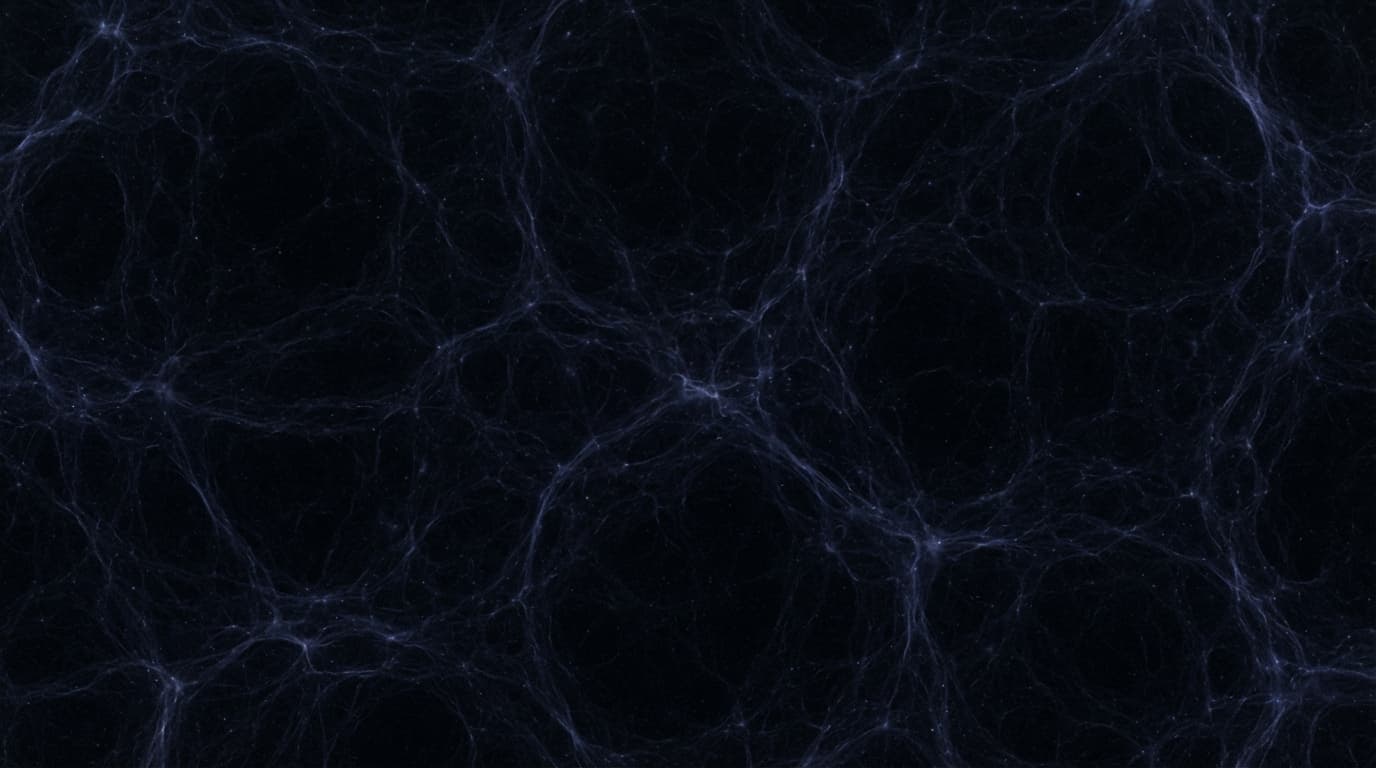
The universe is full of things we cannot see. Black holes are perhaps the most famous of these invisible presences—massive objects whose gravity is so intense that not even light can escape. Astronomers know there should be millions of stellar-mass black holes scattered across the Milky Way, yet we have identified only about 70 . The rest remain hidden, detectable only through the subtle ways their gravity bends the light of stars behind them. Now, a citizen science project is asking the public to help find them.
The Black Hole Hunters project, led by researchers at the University of Southampton in collaboration with the Open University, is enlisting volunteers to search for signs of gravitational microlensing in data from NASA's Transiting Exoplanet Survey Satellite (TESS) . When a massive object like a black hole passes in front of a star, its gravity can momentarily bend and focus the star's light, creating a telltale brightening that can last for hours or days. This effect, called gravitational microlensing or self-lensing, is one of the few ways to detect a black hole that is not actively consuming material and therefore emitting no light of its own .
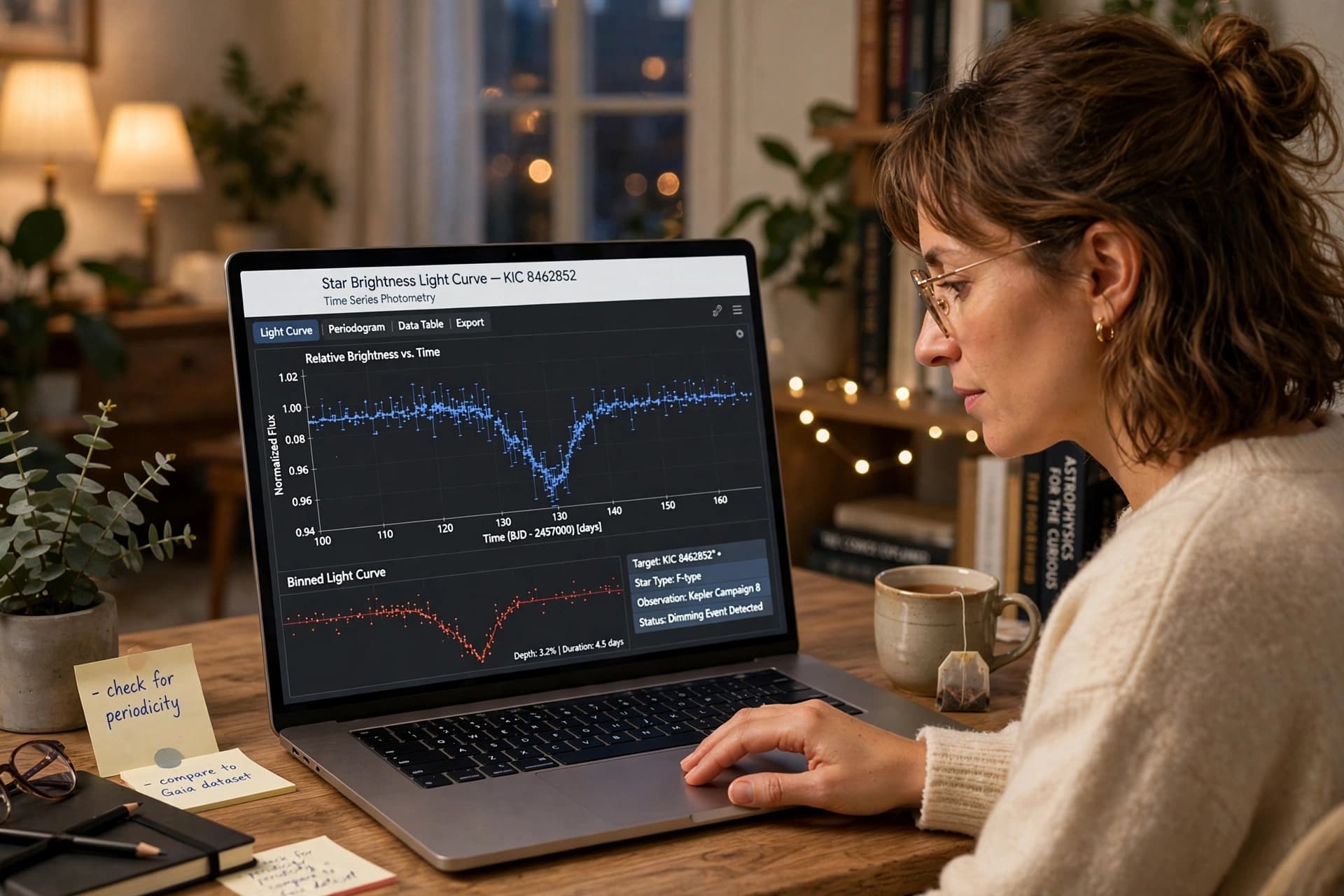
The project, hosted on the Zooniverse citizen science platform, provides volunteers with graphs and animations showing how the brightness of stars changes over time . No specialized training is required—just an eye for patterns and a willingness to look. Volunteers examine these light curves and flag anything that appears unusual, helping researchers narrow down the most promising candidates for follow-up observations. As Dr. Adam McMaster, an astronomer at Southampton, explained, the task is a simple pattern recognition exercise, with examples provided so that volunteers know what to look for .
The approach has already proven its value. The Black Hole Hunters project has attracted 18,300 volunteers who have made more than 7 million classifications . The data generated by these volunteers is now being used to train machine learning models that will enable even faster searches of larger datasets in the future . The project has also expanded its reach, with the Zooniverse page now available in French, Italian, Japanese, Portuguese, Russian, and Hindi.
For those who participate, the appeal is the chance to contribute to genuine discovery. Grace Clarke, a 20-year-old physics student at Southampton who signed up for the project, said the idea of finding a black hole in our cosmic backyard is exciting, and that she can search from her laptop in her bedroom while making a real impact on space science . The project’s researchers note that volunteers will be narrowing down precisely where telescopes should point next, and that any one of them might be the person to discover a black hole.
The search for hidden black holes is not merely an exercise in completing a celestial census. Understanding the population of black holes in our galaxy helps astronomers piece together the history of star formation, the dynamics of galactic evolution, and the nature of the mysterious objects that populate the space between stars. The work of citizen scientists, in this context, is not peripheral. It is integral. As McMaster observed, with potentially thousands of new discoveries awaiting, all the help available is welcome .
---
AI Image Disclaimer: This article contains AI-generated illustrations created for visual context only.
Sources: University of Southampton, Adler Planetarium, Zooniverse, Sky & Telescope
Published by Banx Network. This article is part of the Banx decentralized media programme, powered by the BXE token on the XRP Ledger.