
Key Highlights
- Incident:A mosque in the West Bank was vandalized and partially burned during Ramadan.
- Suspects:Israeli settlers are suspected of involvement in the attack.
- Investigation:Israeli police have opened an investigation into the incident.
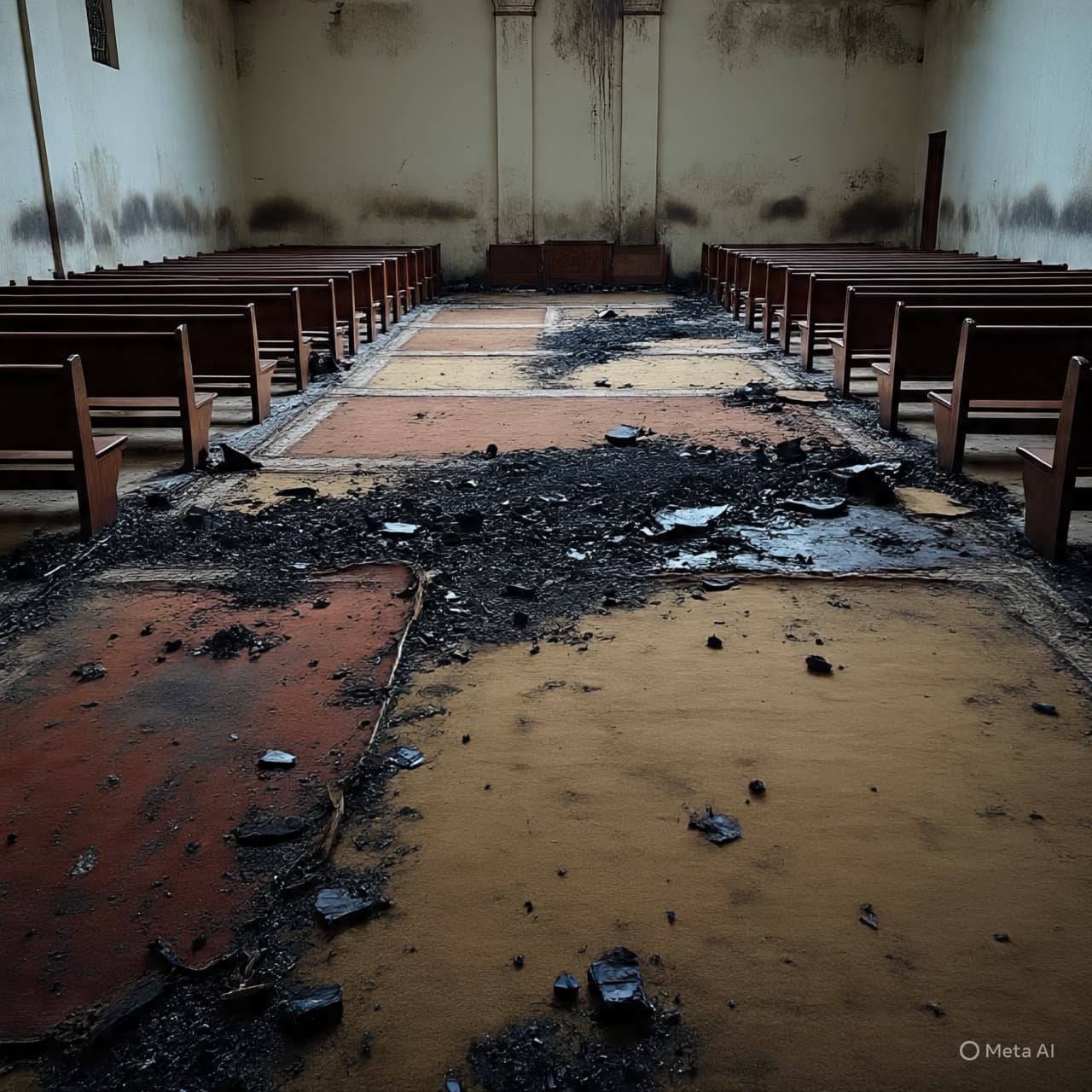
In the early hours before dawn, as the air cools and the sky begins to lighten, villages across the West Bank awaken for Ramadan prayers. This sacred time is marked by quiet reflection and communal preparation, but in one village, that stillness was shattered by an act of violence. Residents discovered their local mosque had been defaced and partially burned, leaving behind charred walls and damaged interiors.
The attack, which occurred during the holy month of Ramadan, has drawn swift condemnation from Palestinian officials and raised alarms among international observers. Eyewitness accounts and local authorities suggest that Israeli settlers are behind the vandalism and arson. The Israeli police have confirmed that an investigation is underway, although no injuries were reported. The mosque, a vital part of community life, now bears the scars of this attack, with soot-stained walls and shattered glass.
Tensions between settler outposts and Palestinian communities in the West Bank have been a persistent issue, with human rights organizations documenting a range of incidents from property damage to violent confrontations. While Israeli authorities have occasionally pledged to combat extremist violence, Palestinian leaders continue to call for enhanced protection of civilians and religious sites. The recent attack on the mosque underscores the fragility of peace in the region, particularly during Ramadan, a month that emphasizes spirituality and community.
Mosques during Ramadan serve not only as places of worship but also as centers for gathering, shared meals, and spiritual reflection. The damage inflicted on this mosque during such a significant time carries profound symbolic weight for the local community. As villagers begin to clean up the debris and assess the damage, the scent of smoke lingers in the air, a reminder of the violence they have endured.
Israeli officials have yet to identify any suspects in this case, and previous investigations into similar incidents have yielded mixed results. International representatives, including those from the European Union and the United Nations, have consistently urged restraint and accountability regarding attacks on religious sites, highlighting their importance to both communities.
By midday, the villagers were already at work, sweeping away the remnants of the attack and preparing for evening prayers. Despite the damage, there is a palpable determination to restore the mosque and reopen its doors before sunset. In communities with deep historical roots, recovery often begins with small acts of resilience: a bucket of water to cleanse the entrance, a new pane of glass, and the call to prayer echoing once more into the open air.
In summary, a mosque in the occupied West Bank was vandalized and set on fire during Ramadan, with Israeli settlers suspected of involvement. The Israeli police have initiated an investigation, and thankfully, no injuries have been reported. The incident highlights ongoing tensions in the region and the need for greater protection of religious sites.
Published by Banx Network. This article is part of the Banx decentralized media programme, powered by the BXE token on the XRP Ledger.



