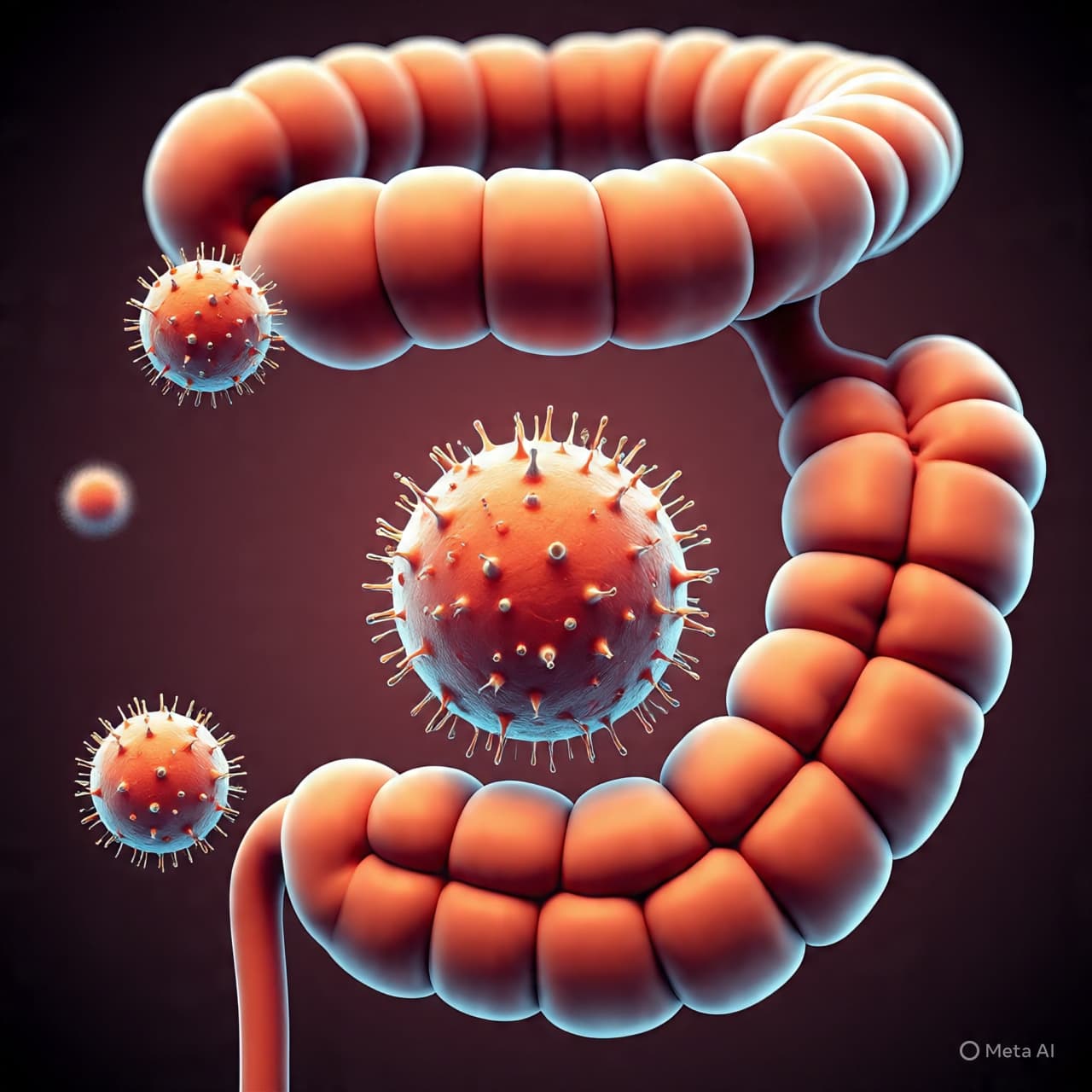
Within the quiet corridors of the human body, unseen communities thrive. Trillions of microbes move through the gut in patterns as old as life itself, forming an ecosystem both intimate and immense. For years, scientists have studied bacteria as central actors in this hidden world. Now, attention is turning toward something even smaller and more elusive: viruses that inhabit the digestive tract, and what they may reveal about disease.
Researchers have identified a previously uncharacterized gut virus that appears to be linked to colorectal cancer. The discovery adds a new dimension to understanding how the microbiome—the collective genetic material of microorganisms in the body—interacts with human health. While bacteria have long been associated with inflammation and tumor development in the colon, the role of viruses has remained comparatively unexplored.
Colorectal cancer is among the most common cancers worldwide, with risk influenced by genetics, lifestyle, and environmental factors. Increasingly, scientists have suspected that microbial imbalances may contribute to disease progression. The newly identified virus, found in higher abundance in patients with colorectal tumors compared to healthy individuals, could serve as an additional biological marker.
Unlike viruses that infect human cells directly, many gut viruses are bacteriophages—viruses that infect bacteria. By altering bacterial populations, they may indirectly influence inflammation, immune response, and cellular signaling in the colon. The interplay is complex: a virus that shifts bacterial balance might create conditions that either promote or inhibit tumor growth.
Using advanced genomic sequencing techniques, researchers compared stool samples from individuals with colorectal cancer to those without the disease. Patterns emerged showing a consistent presence of the virus in affected patients. While this association does not establish direct causation, it opens the possibility of earlier detection through microbiome screening.
If further validated, the virus could become part of a non-invasive diagnostic tool. Stool-based screening tests are already used in colorectal cancer detection, primarily identifying blood or specific DNA mutations. Adding viral signatures to the analysis may enhance sensitivity, potentially identifying risk before visible tumors develop.
Scientists emphasize caution. The relationship between microbiome changes and cancer is intricate and not fully understood. It remains unclear whether the virus contributes to tumor formation, thrives in the altered environment created by cancer, or both. Longitudinal studies will be necessary to determine whether its presence precedes disease onset.
Still, the discovery reflects a broader shift in medical research. Health is no longer viewed solely through the lens of human cells, but through a symbiotic network of organisms sharing our biology. The gut virome—the collection of viruses in the digestive tract—is emerging as a field of growing interest, with implications that extend beyond oncology.
Researchers continue to investigate how viral communities interact with diet, immunity, and genetics. The findings offer cautious optimism: if certain microbial patterns reliably signal early disease, screening could become more precise and less invasive.
For now, scientists are expanding clinical trials and refining detection methods. The new virus represents not a conclusion, but a promising avenue of inquiry. In the layered ecosystem of the gut, even the smallest inhabitants may hold clues to earlier diagnosis and improved outcomes.
AI Image Disclaimer Images in this article are AI-generated illustrations, meant for concept only.
Source Check — Credible Media Coverage Exists:
BBC The Guardian The New York Times Nature News Science Magazine
Published by Banx Network. This article is part of the Banx decentralized media programme, powered by the BXE token on the XRP Ledger.