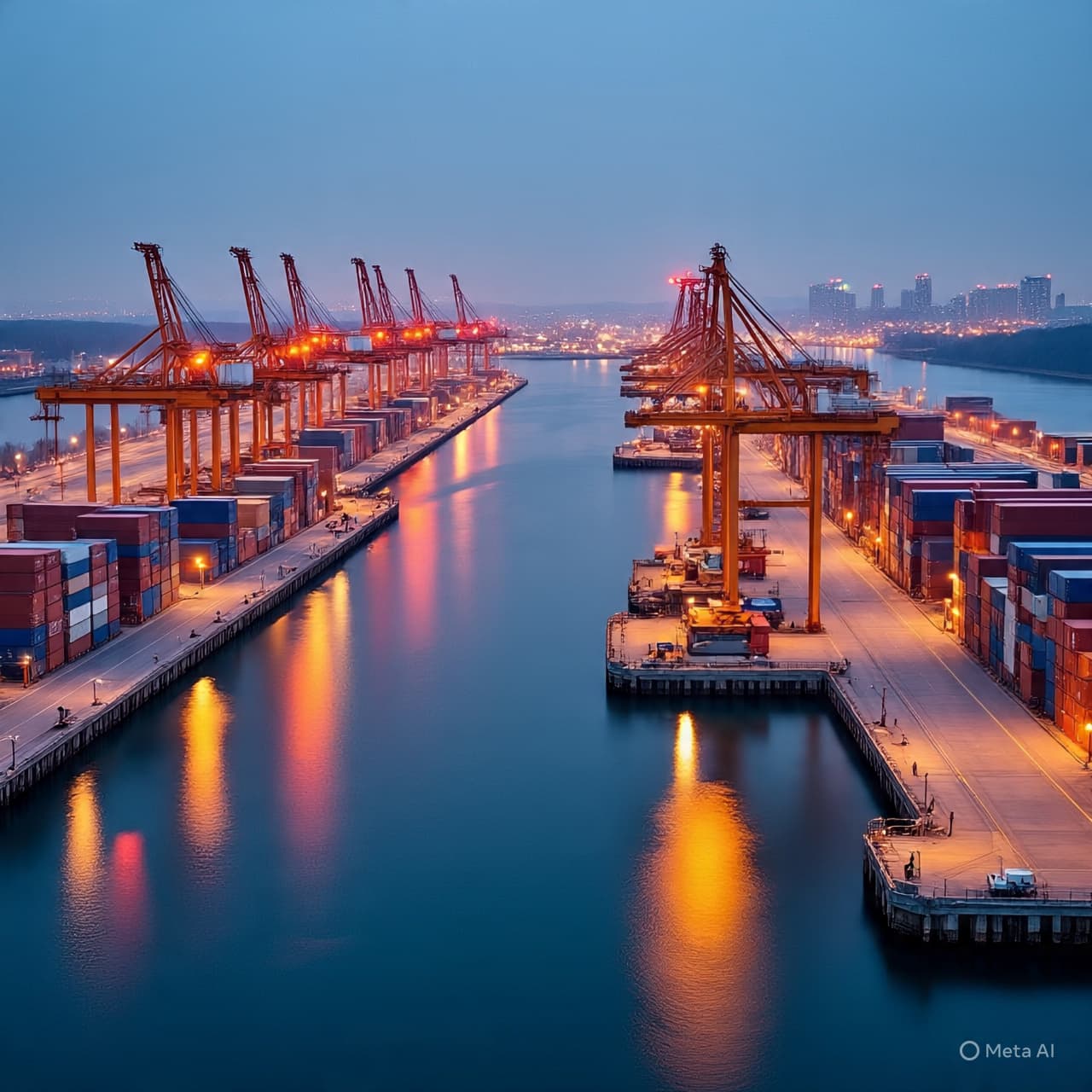
The coast of Finland is a landscape of rugged beauty, where the grey granite of the shore meets the restless, dark waters of the Baltic. It is a place defined by the movement of the tides and the steady arrival of the great ships that connect this northern land to the wider world. The ports are the lungs of the nation, breathing in the goods and resources that sustain its life, their activity a constant, rhythmic pulse against the backdrop of the shifting seasons.
In Helsinki, a new conversation has begun regarding the stewardship of these vital gateways. There is a growing realization that the security of a nation is intimately tied to the resilience of its logistics. The Finnish government, through a series of strategic roundtables, is examining the competitiveness and safety of its ports with a clinical and thoughtful eye. It is a move toward a more robust architecture of supply, ensuring that the flow of trade remains steady even when the winds of the world grow unpredictable.
This focus on port security is a narrative of profound foresight. It recognizes that in a changing global landscape, the infrastructure of the sea is as much a matter of survival as it is of commerce. The discussion involves a wide range of voices, from port authorities to logistics experts, all seeking to build a more resilient framework for the movement of goods. By strengthening the protection and monitoring of these maritime hubs, the nation is reinforcing the foundations of its own stability.
The atmosphere in the government halls is one of focused contemplation. There is an understanding that the modern port is a complex ecosystem, a place where physical structures meet digital flows. The talk is of data corridors and supply chain integrity, of reducing red tape while increasing the clarity of the whole transport chain. It is a philosophy of proactive defense, looking for the vulnerabilities that have been overlooked in the quiet years of the past.
There is a certain poetic resonance in the idea of the port as a sanctuary, a place where the chaos of the sea is transformed into the order of the land. When the logistics chain is secure, the entire nation breathes easier, knowing that the essentials of life will continue to arrive. It is a movement that recognizes the interconnectedness of all things, the way a secure dock in the north can affect the stability of a city in the interior.
As the Baltic continues to mirror the complexities of the modern world, the importance of this maritime perspective cannot be overstated. We are moving into an era where the old routes must be guarded with a new kind of vigilance. The Finnish initiative offers a way to navigate this landscape, providing the security needed to thrive in a world in flux. It is a work of objective preparation conducted with a deep, unspoken reverence for the freedom of the seas.
The transition toward a more secure logistics model is a slow and methodical journey, requiring a commitment that spans the entire transport sector. But the momentum in Finland is building, fueled by a collective ambition to protect the nation's economic heart. By investing in the digital and physical infrastructure of its ports, the government is ensuring that the northern tide continues to be a source of strength and prosperity.
Ministers in Finland recently hosted a roundtable discussion focused on the competitiveness and security of the country's ports, which handle 95% of its foreign trade. The meeting emphasized the need for stronger protection of port infrastructure and the development of digital freight corridors to enhance supply chain resilience. This initiative is part of a broader strategy to secure Finland's position as a maritime-driven economy amid evolving global challenges.
Published by Banx Network. This article is part of the Banx decentralized media programme, powered by the BXE token on the XRP Ledger.