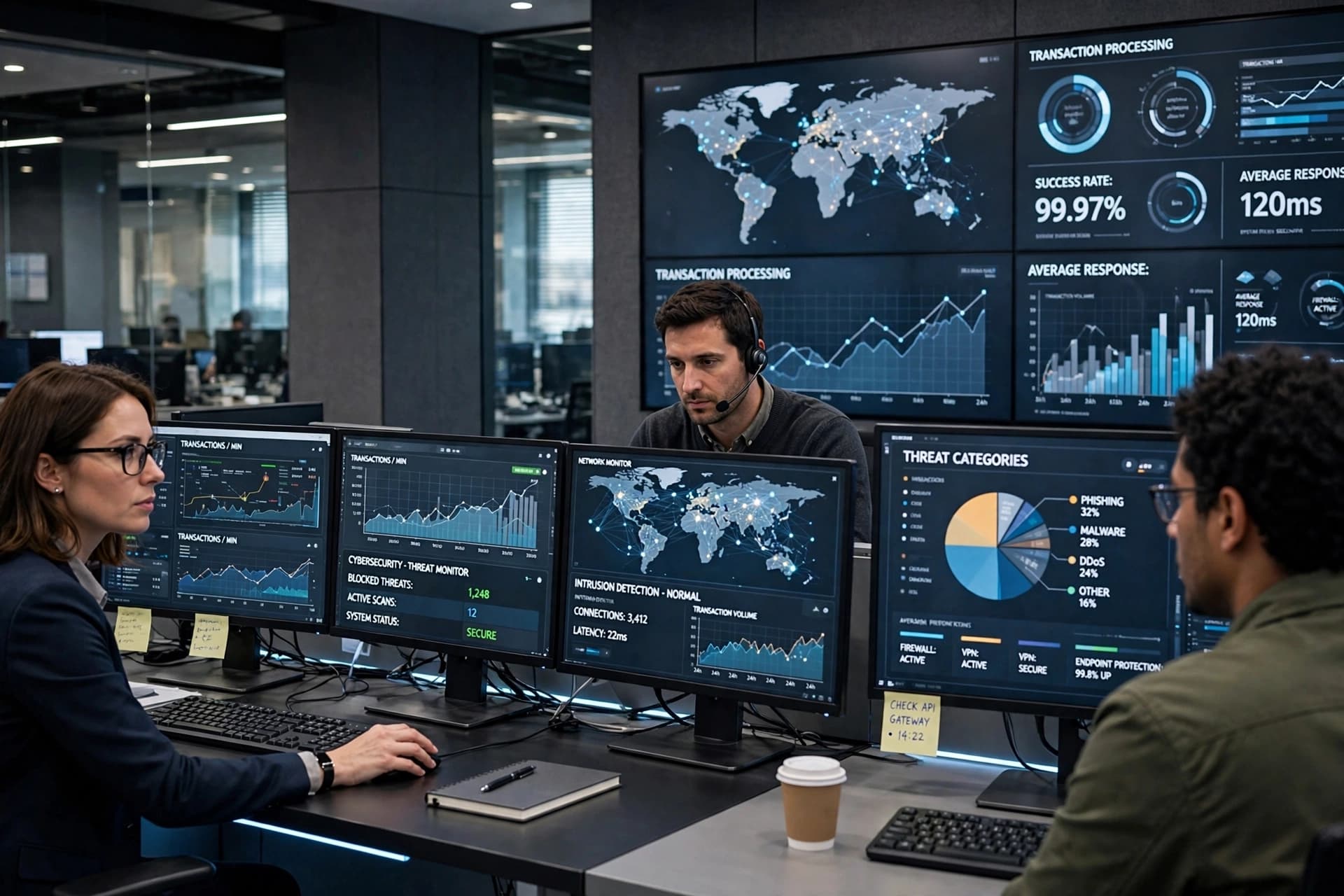
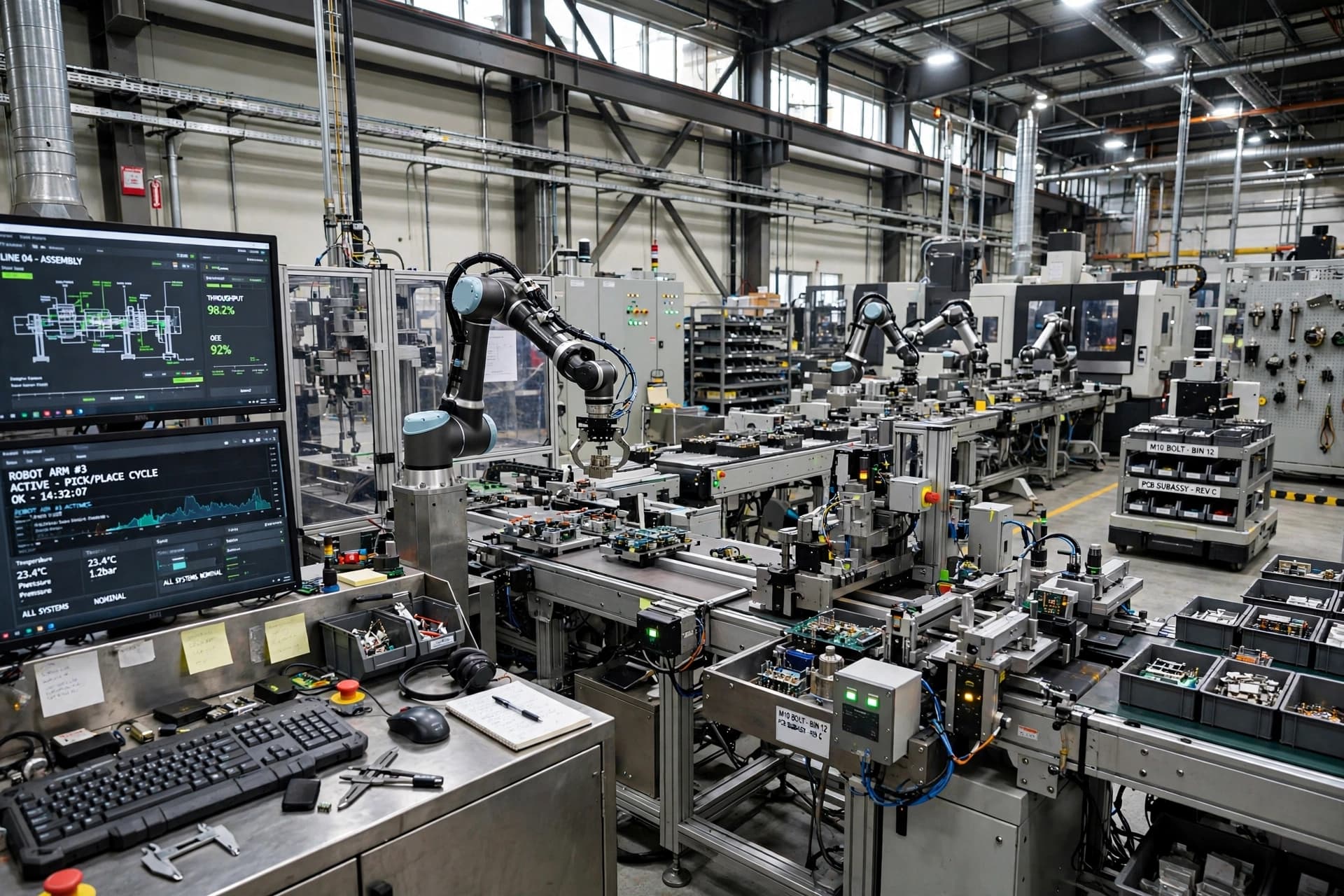
In the intricate maze of silicon and circuitry that powers our digital world, few companies cast as long a shadow as Taiwan Semiconductor Manufacturing Company, known simply as TSMC. Like a tide that creeps steadily toward the shore, the global appetite for artificial intelligence has reshaped the landscape of technology — and TSMC’s latest financial results reflect just how transformative that current has become.
In its most recent quarter, TSMC reported a 35% year-over-year surge in net profit, reaching approximately T$505.7 billion (about $16 billion), a figure that not only topped market expectations but set a new record for the world’s largest contract chipmaker.
The lifeblood of this performance is demand for semiconductors tailored to AI applications. As data centers expand and cloud computing grows ever more sophisticated, the processors that enable machine learning and inference have become critical components — and TSMC stands at the center of production for these advanced chips. Its facilities churn out components for major technology players, including Nvidia and Apple, both of which rely on increasingly powerful silicon to fuel next-generation products.
Revenue for the quarter grew more than 20%, exceeding NT$1 trillion (roughly $33 billion), underscoring a broader trend of market momentum that continues to outpace forecasts. Investors responded positively, with TSMC’s share performance reflecting confidence in the company’s strategy and structural position within the global semiconductor supply chain.
This record quarter carries implications beyond headline figures. TSMC has signaled a significant uptick in capital expenditure — with intentions to direct $52 billion–$56 billion into manufacturing capacity and technology this year, compared with roughly $40 billion in 2025. These investments span advanced process nodes and geographic expansion, including further development of fabrication plants in the United States and enhanced packaging technologies.
There is a delicate balance at play: the company is boosting spending to meet future demand while maintaining a keen eye on profitability and strategic leadership. Chief financial officers and industry analysts alike describe the AI sector’s growth as robust, but they also remind markets that scaling production requires patience and precision — much like the chips TSMC produces themselves.
The broader narrative here is not merely one of numbers, but of transformation. From the hum of factory floors in Hsinchu to the sprawling server farms spread across continents, artificial intelligence has become a thread woven through both industry expectations and everyday life. In this context, TSMC’s record quarter becomes more than an earnings beat — it is a reflection of where global innovation is converging today, where demand for smarter, faster computing meets the concentrated expertise that only a few manufacturers can deliver.
AI Image Disclaimer Visuals are created with AI tools and are not real photographs.
Published by Banx Network. This article is part of the Banx decentralized media programme, powered by the BXE token on the XRP Ledger.