
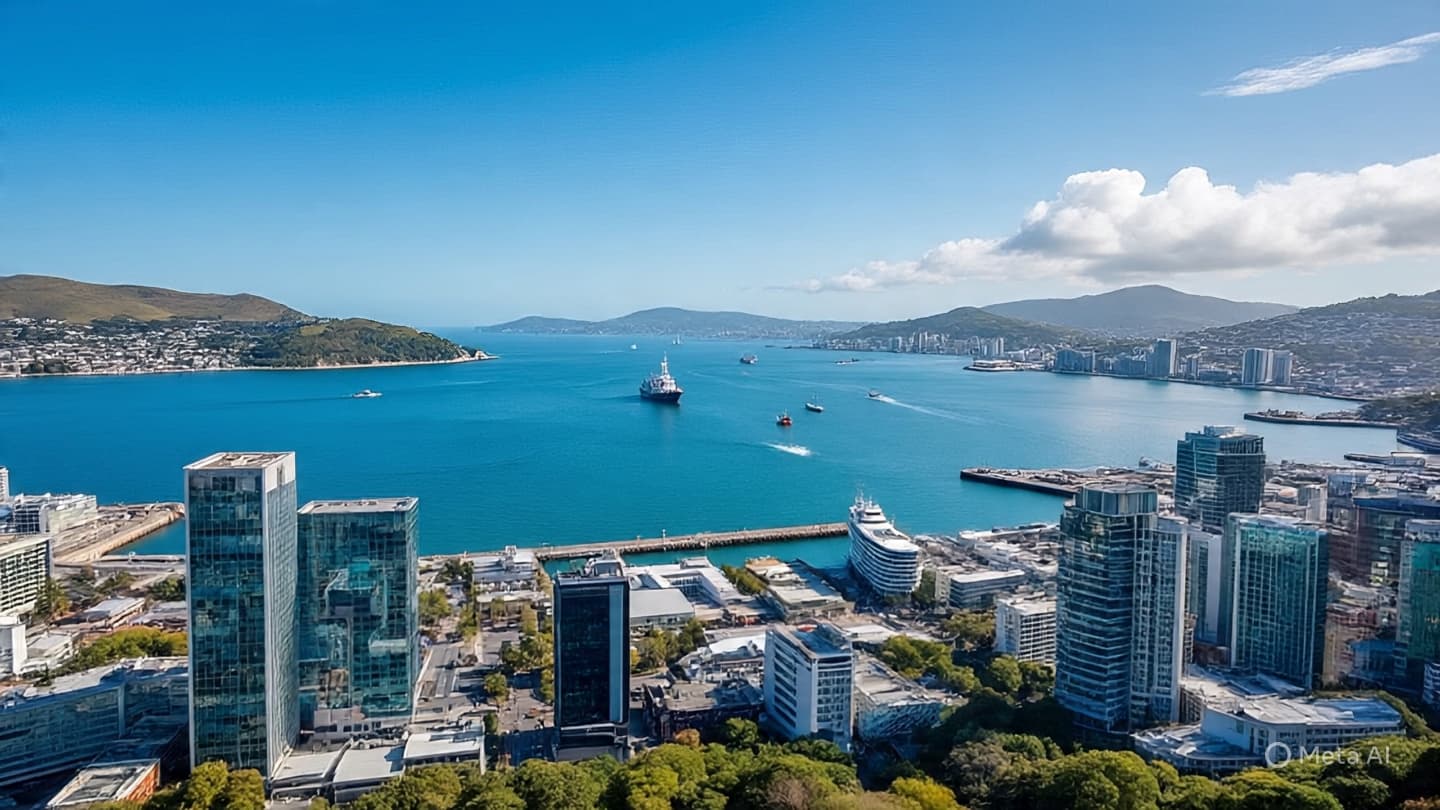
Key Highlights
- Event:Wellington hosted a summit on Sustainable Development Goals.
- Focus:The summit emphasized science-driven diplomacy for global cooperation.
- Participants:International scientists and policymakers gathered to discuss solutions.
The city of Wellington, known for its windswept harbor, recently became a focal point for a significant gathering of minds dedicated to addressing global challenges. The summit centered on the Sustainable Development Goals (SDGs), drawing together scientists, diplomats, and leaders from various nations. This event was not just another political forum; it was a thoughtful exploration of how scientific inquiry can inform and guide international policy in an era marked by rapid change.
Held against the backdrop of the Southern Cross, the summit adopted a reflective tone, prioritizing the role of science as a foundational truth in discussions about poverty, health, and environmental degradation. Participants engaged in deep conversations about the fragility of the balance between humanity and nature, particularly in the Pacific region, which is acutely aware of these challenges. The discussions highlighted the urgency of time, with each presentation contributing to a larger narrative about the potential of scientific cooperation to transcend geographical and cultural barriers.
A key theme of the summit was the concept of science-driven diplomacy. In a world often divided by competing interests, the objective language of research offers a common ground for dialogue. By grounding policy decisions in verifiable data, the summit aimed to foster a more resilient framework for international collaboration. This approach represents the quiet yet essential work of progress, where the steady accumulation of evidence informs the decisions that shape our collective future.
Throughout the sessions, there was a strong emphasis on the inclusion of diverse perspectives. The summit sought to integrate traditional knowledge with modern scientific methods, recognizing that the wisdom of the past can provide valuable insights for the future. This synthesis was presented not as a conflict but as a necessary evolution, reflecting a commitment to building a world that is both technologically advanced and culturally grounded.
The harbor of Wellington, with its ever-changing tides, served as a poignant metaphor for the discussions at the summit. The quest for sustainability mirrors the search for stability in a world characterized by flux. Scientists addressed critical issues such as carbon cycles, biodiversity loss, and ocean warming, but they did so with a sense of calm determination, illuminating the path forward rather than inciting alarm.
As the summit drew to a close, the focus shifted from abstract discussions to practical implementation. Participants engaged in final discussions about how to translate the insights gained into actionable strategies that could be applied to real-world challenges. There was a palpable sense of resolve among attendees, who recognized that the threads of collaboration woven in Wellington would extend far beyond the city limits. The pursuit of the SDGs emerged as a long-term narrative requiring patience and persistence.
Ultimately, the gathering in Wellington served as a reminder that even amidst rapid change, there is value in slow, careful reflection. Science provides the compass, but it is the shared commitment to dialogue that enables us to navigate the complexities of our time. As delegates returned to their respective corners of the globe, the winds of Wellington continued to blow, a silent witness to a moment of profound international connection and commitment to a sustainable future.
Published by Banx Network. This article is part of the Banx decentralized media programme, powered by the BXE token on the XRP Ledger.



