In the Middle East, diplomacy often arrives not with loud celebration but with quiet conversations behind guarded doors. A single phone call, a delayed military order, or a carefully negotiated meeting can sometimes alter the direction of events that once seemed unstoppable. Across a region shaped by tension and fragile alliances, moments of restraint often carry significance equal to moments of confrontation.
Recent reports indicate that Qatar played an important role in encouraging the United States to halt a planned military strike against Iran. According to several international media outlets, Qatari officials joined other Gulf leaders in urging Washington to prioritize diplomacy and avoid escalation that could destabilize the wider region.
The reported intervention came amid heightened tensions involving Iran, regional security concerns, and military positioning across the Gulf. Former U.S. President Donald Trump later acknowledged that discussions with Gulf partners contributed to the decision to postpone military action while negotiations continued through diplomatic channels.
Qatar has increasingly positioned itself as a mediator in regional conflicts over the past decade. The country has previously facilitated talks involving the United States, Iran, Hamas, and Taliban representatives, often using its diplomatic networks to maintain communication between parties with deeply strained relations.
Analysts noted that Gulf countries face significant risks from any broader conflict involving Iran. Energy infrastructure, shipping routes, and economic stability across the region could all be affected by military escalation. Because of this, regional governments have shown growing interest in supporting negotiation efforts even while maintaining strategic security partnerships with Washington.
The Strait of Hormuz remains central to those concerns. Any military confrontation affecting Gulf waters could disrupt international energy shipments and influence global oil markets. Investors and governments have therefore watched diplomatic developments closely, particularly as tensions continue affecting broader geopolitical calculations.
Iran, meanwhile, has reportedly signaled openness to continued discussions while maintaining firm positions regarding sanctions and sovereignty. Statements from Tehran suggested that diplomatic engagement remains possible if external pressure does not escalate further into direct military confrontation.
Public reaction to the reports reflected cautious relief in many parts of the region. Social media discussions and political commentary highlighted concerns about how quickly tensions could have intensified had military action moved forward. Others pointed to Qatar’s mediation role as evidence that smaller regional states continue shaping larger geopolitical outcomes.
For now, negotiations and diplomatic communication remain active, though uncertainty continues surrounding future relations between Washington and Tehran. Qatar’s reported involvement illustrates how regional diplomacy can sometimes slow the momentum toward conflict, even when tensions appear close to boiling over.
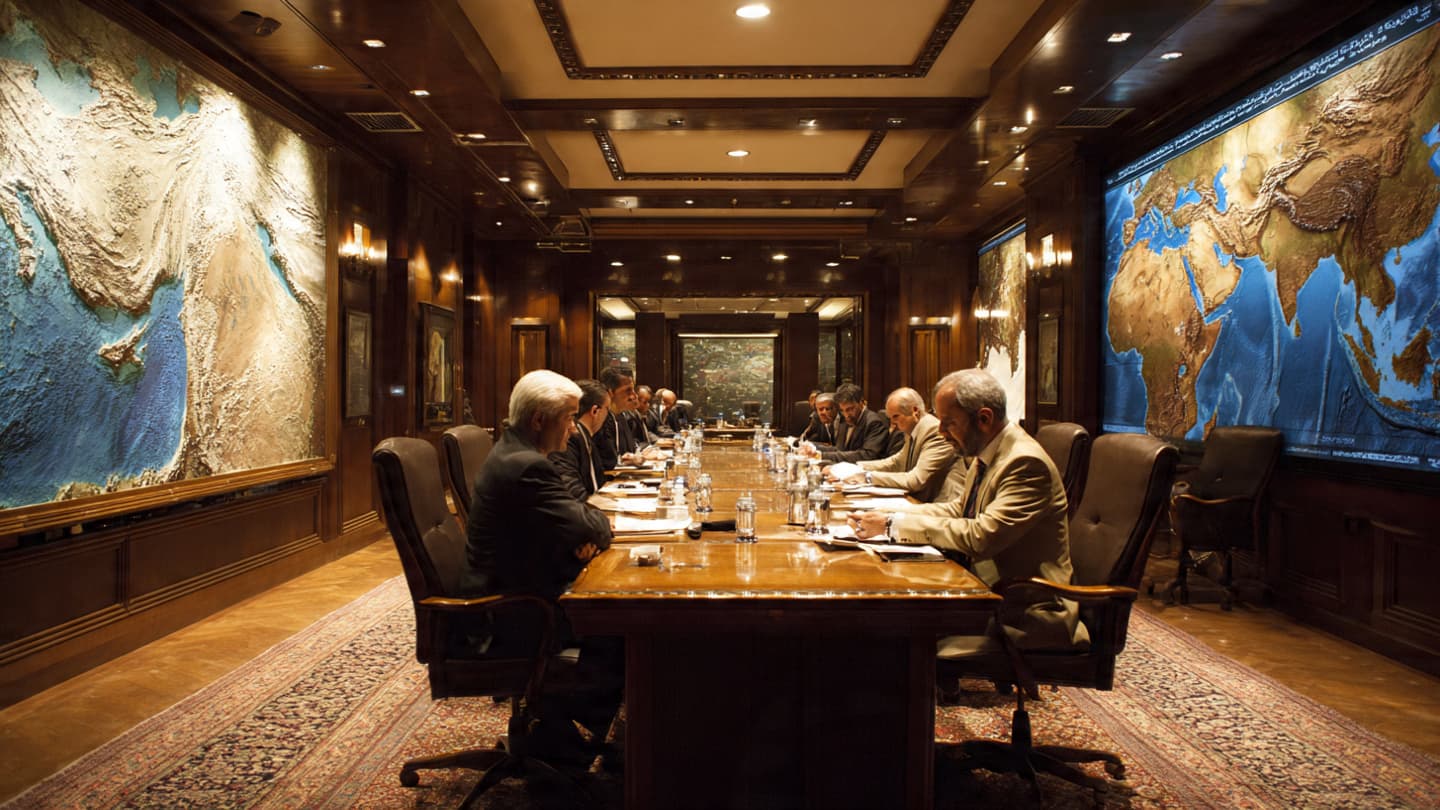
The visual elements accompanying this report were created using AI-generated imagery for editorial illustration purposes.
Sources: Reuters, Kompas, The Guardian, Reuters, The National, CBS News
Published by Banx Network. This article is part of the Banx decentralized media programme, powered by the BXE token on the XRP Ledger.